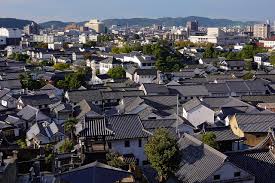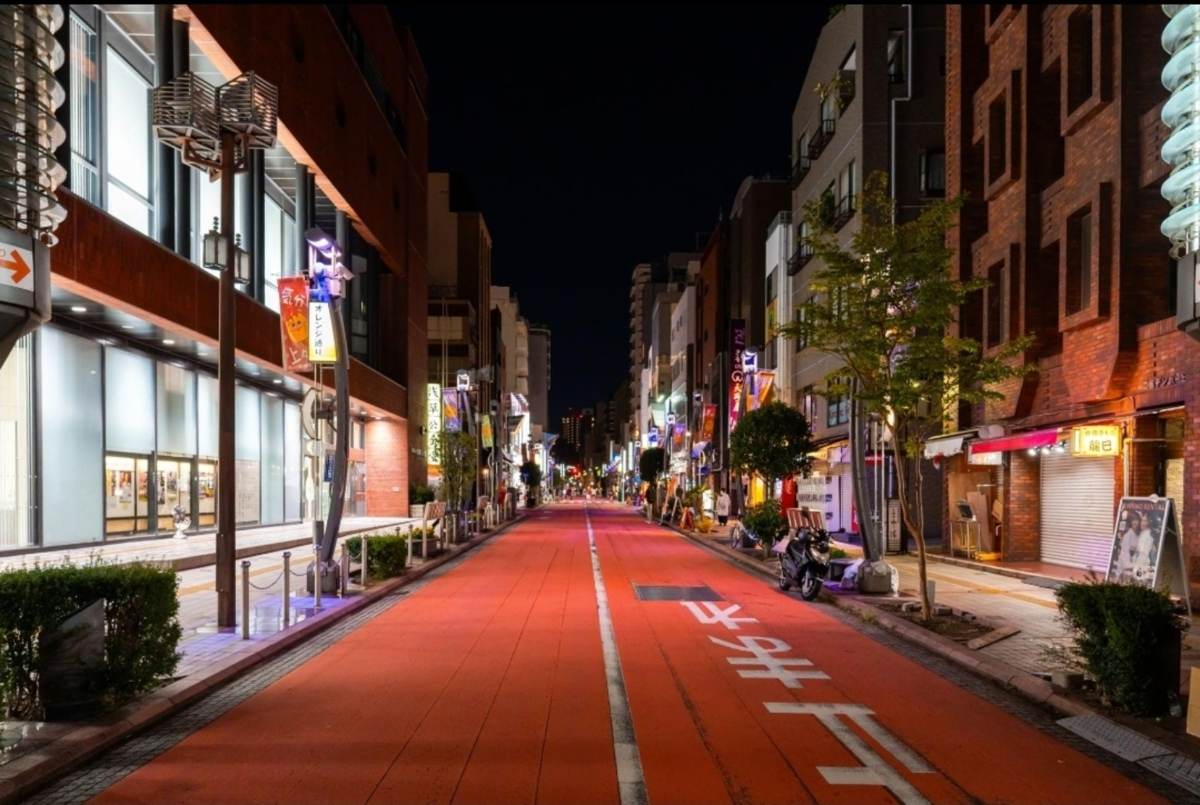

One of the first things many people notice after arriving in Japan is that daily life just feels… different.
Even in massive cities like Tokyo or Osaka, things often feel surprisingly calm. Trains are quiet. Streets are clean. People move efficiently. Public spaces somehow feel organized even when they are crowded.
When I first spent time in Japan, I noticed pretty quickly that many of the social rules here are not directly explained to you. Nobody really stops you and tells you what to do. People simply observe what everyone else is doing and naturally follow the flow around them.
That can make Japan fascinating for tourists, but it also means visitors sometimes accidentally stand out without realizing it.
Most Japanese people understand that tourists come from different cultures and usually do not expect perfection. Still, there are a lot of small “quiet rules” in Japan that many travelers unintentionally break simply because they do not know they exist.
Speaking Loudly on Trains
One of the biggest things tourists notice is how quiet trains can be in Japan.
Even during busy rush hours, many people are either silent or speaking very softly. Phone calls on trains are generally avoided, and people usually try not to draw attention to themselves in shared spaces.
For visitors coming from countries where trains or subways are louder and more social, this can feel strange at first.
You do not have to sit in complete silence, of course. But tourists speaking loudly on trains is something that tends to stand out very quickly.
Honestly, after spending enough time in Japan, you almost start lowering your own voice naturally without even thinking about it.

Eating While Walking
This one surprises a lot of people.
In many countries, eating while walking around is completely normal. In Japan, however, people often stop near the place they bought food before continuing on their way.
Part of this comes from cleanliness and part of it comes from consideration for others, especially in crowded areas where sidewalks can be narrow.
Convenience stores, food stalls, and shopping streets often have small designated areas where people quickly eat before moving on.
Tourists are not going to get arrested for walking around with food, obviously, but it is one of those subtle cultural differences you begin noticing after being here awhile.

Standing on the Wrong Side of the Escalator
This sounds small, but people in Japan take escalator flow surprisingly seriously.
In Tokyo, people generally stand on the left side and walk on the right. In Osaka, it is usually the opposite.
Tourists often accidentally block the “walking side” without realizing it, especially inside large train stations where people are trying to move quickly.
It is one of those things almost every visitor accidentally does at least once.

Trash Can Be Surprisingly Confusing
Japan is incredibly clean, but one thing many tourists immediately notice is the lack of public trash cans.
At first, this feels confusing.
Then you realize people are often carrying their trash with them until they find the correct place to throw it away.
Garbage separation is also taken pretty seriously. Plastics, bottles, cans, and burnable trash are often separated into different categories.
For tourists, this can become unexpectedly stressful for something as simple as throwing away a coffee cup.

Shoes Matter More Than People Expect
One mistake many visitors make at least once is forgetting to remove their shoes.
In Japan, taking shoes off is common in:
homes,
certain restaurants,
traditional hotels,
temples,
schools,
and some changing rooms.
Usually there are signs or shelves that indicate it, but first-time visitors sometimes miss them completely.
After awhile, though, you almost develop a habit of automatically checking people’s feet whenever entering a building.

Personal Space and Public Awareness Are Important
One thing I have personally noticed about Japan is how aware people are of others around them in public spaces.
People generally try not to:
block walkways,
speak loudly,
bump into others,
or create unnecessary disturbances.
Even in crowded places, there is often a quiet sense of order.
For some visitors, this atmosphere feels respectful and peaceful. For others, it can feel overly quiet or reserved at first.
But after spending time here, you begin understanding why daily life often feels smoother because of it.
Tourists Sometimes Forget Everything Is Not a Tourist Attraction
Japan has become extremely popular online, especially through social media, anime, travel content, and photography.
Because of that, some tourists get so focused on taking pictures or filming content that they forget people actually live there.
There have been growing complaints in some areas involving overcrowding, tourists entering quiet neighborhoods, or visitors ignoring photography rules at temples and cultural sites.
Most people do not mean any harm, but respecting spaces and understanding local expectations goes a long way.

Why These Quiet Rules Exist
What I find interesting is that many of these rules are not really about strict control.
Most of them come down to consideration for other people.
A lot of daily life in Japan revolves around minimizing inconvenience to those around you and helping shared spaces function smoothly.
That mindset becomes noticeable pretty quickly once you spend enough time here.
Final Thoughts
Part of what makes Japan so memorable is not just the food, the cities, or the technology. It is the small everyday cultural differences that slowly stand out the longer you stay.
The quiet rules of Japan are not really about being perfect. Most locals understand tourists are learning as they go.
But making an effort to observe, adapt, and respect the culture around you usually makes the experience much more rewarding.
And honestly, some of those small habits eventually start rubbing off on you too.
Discussion Question
What cultural differences surprised you the most when visiting another country?