




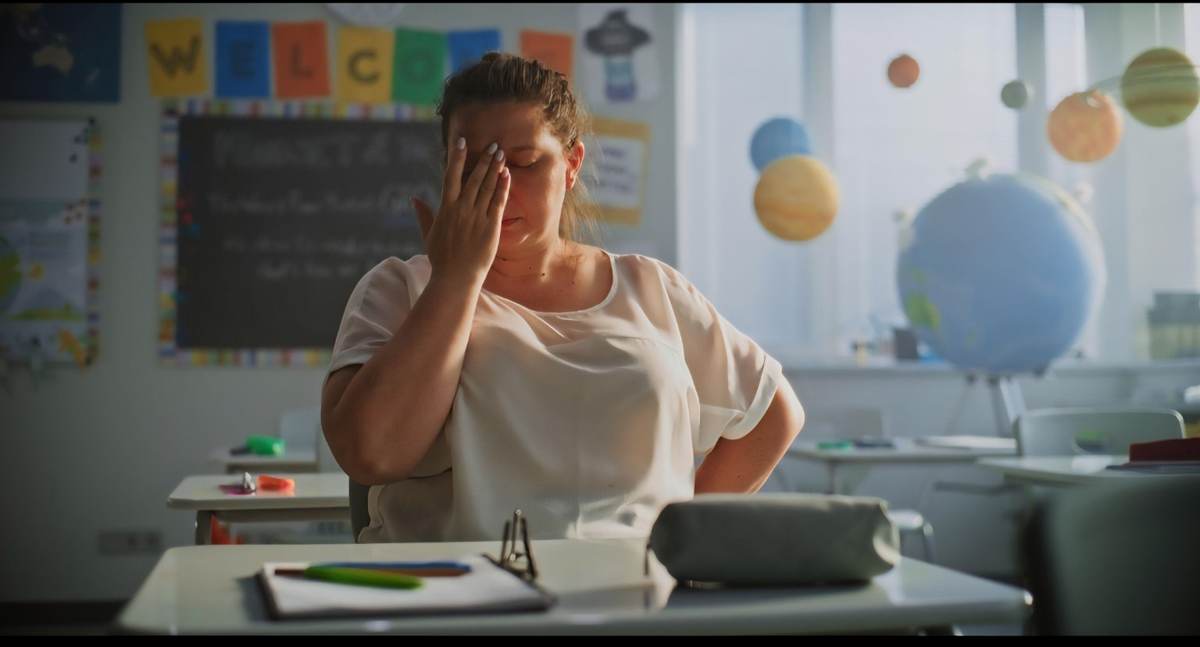

Most teachers never expected the job to be easy.
Long hours, grading papers, lesson planning, classroom management, parent emails, and trying to keep students engaged have always been part of the profession. Stress in education is nothing new.
But lately, many educators seem to be asking the same question:
Has the pressure become too much?
Across the country, conversations about teacher burnout are becoming harder to ignore. Staffing shortages, student behavior challenges, technology overload, mental health concerns, and growing expectations have all placed schools under enormous pressure.
For many teachers, it is not just one thing causing frustration. It is the feeling that everything keeps piling on at once.
And after a while, even passionate educators can begin feeling exhausted.

Teachers Are Wearing More Hats Than Ever Before
Modern teaching goes far beyond academics now.
Teachers are not only expected to teach content. Many are also helping students navigate emotional struggles, social challenges, technology issues, online behavior, testing requirements, and classroom conflicts all while still trying to keep lessons engaging and productive.
On top of that, there are meetings, paperwork, emails, grading, training sessions, data tracking, and constant changes to systems and expectations.
For some educators, the workday no longer really ends when they leave school.
That constant pressure can slowly wear people down.
Technology Has Made Some Things Easier And Some Things Harder
There is no question that technology has changed education dramatically.
Digital learning platforms, Chromebooks, educational apps, and artificial intelligence tools have opened new opportunities for students and teachers alike. Many classrooms today have access to resources that would have seemed unbelievable only a decade ago.
At the same time, technology has also created new frustrations.
Many teachers now feel pressure to constantly adapt to new systems, respond to messages at all hours, monitor online learning, and figure out how to manage AI inside classrooms that still do not have clear rules surrounding it.
Some educators also worry students are becoming more distracted, less patient, and increasingly dependent on screens.
Technology has helped education in many ways. But many schools are still trying to figure out where the healthy balance actually is.

Students Are Facing Different Challenges Today
Many teachers will say that students today are dealing with pressures previous generations did not experience in the same way.
Social media, constant online comparison, mental health struggles, shortened attention spans, and nonstop digital stimulation are all affecting students inside and outside the classroom.
Teachers often find themselves trying to support students emotionally while also maintaining academic expectations.
That emotional weight can be difficult to carry over time.
One of the hardest parts of teaching is that many educators genuinely care deeply about their students. When students struggle, teachers often feel that stress too.

Classroom Behavior Has Become a Bigger Conversation
Another issue many schools are discussing more openly is classroom behavior.
Some teachers feel student behavior has become harder to manage in recent years. Others believe students are still recovering socially and emotionally from the long-term effects of the pandemic and increased technology dependence.
Whatever the cause may be, maintaining focused and stable classroom environments has become more challenging for many educators.
And when classrooms become harder to manage, it affects everyone including students who are genuinely trying to learn.
Many Teachers Still Love Teaching
Despite the stress and frustration, many educators still love teaching itself.
They love seeing students improve. They love helping young people grow in confidence. They love building relationships and creating moments where learning suddenly “clicks” for students.
That is part of why burnout conversations matter so much.
When passionate teachers begin feeling overwhelmed, exhausted, or unsupported, schools risk losing people who genuinely care about students and education.

Final Thoughts
Education feels like it is going through a major transition right now.
Schools are trying to adapt to rapid technological change, rising expectations, mental health concerns, staffing shortages, and a world that seems to move faster every year.
Teachers are standing directly in the middle of all of it.
The question may no longer simply be whether teachers are stressed. Most people can already see that many are. The larger question may be whether education systems can continue adding responsibilities without also increasing support for the people expected to carry them.
Because strong schools are not built only on curriculum, technology, or policies.
They are built on healthy, motivated educators who still have the energy and support needed to do the job well.
Discussion Question
Do you think teaching has become more difficult over the past several years? Why or why not?




