
There is a very specific feeling that comes with missing the last train in Japan.
At first, it usually starts with confidence. You look at the time and assume you still have enough of it. Maybe you stayed out a little longer than planned. Maybe you lost track of time walking through the city, sitting in a restaurant, or quietly exploring streets that looked too interesting to leave behind.
Then you check the station schedule one more time.
And that is when the realization hits you.
The trains have stopped running.
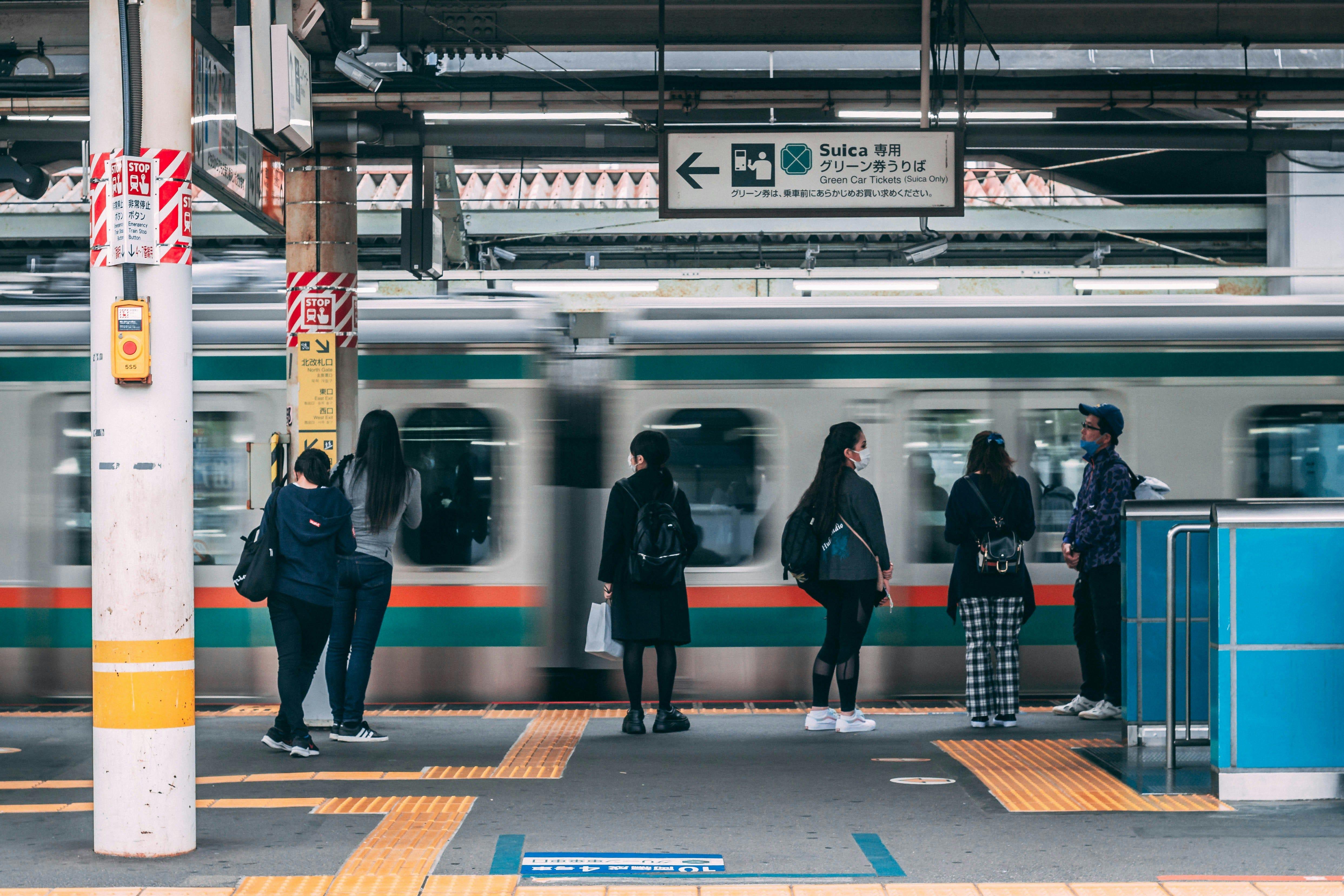
I still remember standing near the ticket gates staring at the schedule board for a few extra seconds, almost hoping I had read it wrong. Around me, other people were reacting the same way checking phones, talking quickly with friends, or rushing toward platforms that had already gone quiet.
For many people outside Japan, missing the last train might not sound like a major event. But in cities like Tokyo, Yokohama, or Osaka, trains quietly control the rhythm of daily life. Once the final train leaves, the atmosphere of the city changes almost immediately.
The City Feels Different After Midnight
The loud energy of the city begins to soften.
Restaurants slowly start closing. Office workers disappear into side streets. Station announcements echo through platforms that suddenly feel far too large and empty. The constant movement that fills Japanese cities during the day begins fading into silence.
Oddly enough, the experience does not always feel stressful.
Sometimes it feels peaceful.
Japan at night has a completely different personality after the trains stop running. Convenience stores continue glowing quietly under fluorescent lights while taxis drift through nearly empty roads searching for the few passengers left outside. Vending machines hum softly beside dark alleyways, and the sounds of distant traffic feel sharper when everything else becomes quiet.
The city almost feels suspended for a few hours.
And in those moments, you begin noticing details that usually disappear during the daytime rush.
The sound of footsteps suddenly becomes noticeable. Crossing signals echo through empty intersections. Rain reflects neon lights across sidewalks while workers quietly clean storefronts before morning arrives.
There is something strangely calming about seeing Japan after its usual rhythm slows down.

The Quiet Side of Japan
During the day, Japan often feels incredibly structured.
Trains arrive on time. Crowds move quickly. People follow routines almost automatically. Everything has a rhythm that rarely seems to stop.
But after the last train leaves, some of that structure temporarily disappears.
People who missed their trains sit quietly inside late-night cafés waiting for the first train in the morning. Others wander through nearly empty streets that feel completely different from the crowded tourist areas seen during the day. Some simply stand outside stations trying to decide whether to wait, walk, or spend far too much money on a taxi ride home.
And honestly, those unexpected moments can become some of the most memorable parts of traveling in Japan.
Not because something dramatic happens.
But because the city briefly feels more human.

Unexpected Moments Become Memories
Travel memories are often imagined as famous landmarks, perfect itineraries, or carefully planned experiences.
But sometimes the moments people remember most are the ones that were never planned at all.
Looking back, I barely remember where I originally intended to go that night. What stayed with me instead was the silence of the station, the glow of vending machines against empty streets, and the feeling of walking through a city that finally seemed to slow down.
Missing the last train in Japan may sound inconvenient at first.
But sometimes it gives you the chance to see a completely different side of the country one that most people only notice after midnight, when the crowds disappear and the city finally becomes quiet.