
For many people outside Japan, anime becomes their first introduction to the country long before they ever visit it.
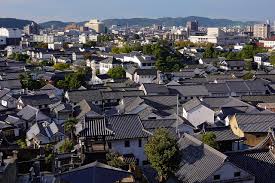
Before stepping foot in Japan, people already feel strangely familiar with the country itself. They recognize crowded train stations, school festivals, quiet residential streets, convenience stores glowing late at night, and the sound of summer cicadas echoing through the evening. Anime has shaped how millions of people imagine Japan, sometimes more than documentaries or travel programs ever could.
After spending years living in Japan and being married to a Japanese wife I’ve realized something interesting:
Anime is often surprisingly accurate and completely unrealistic at the exact same time.
And honestly, that contradiction is part of what makes it so fascinating.
The Atmosphere Feels Surprisingly Real
One of the first things I noticed after living in Japan for a while was how accurately anime sometimes captures atmosphere.
Not necessarily reality in a literal sense, but the emotional feeling of daily life.
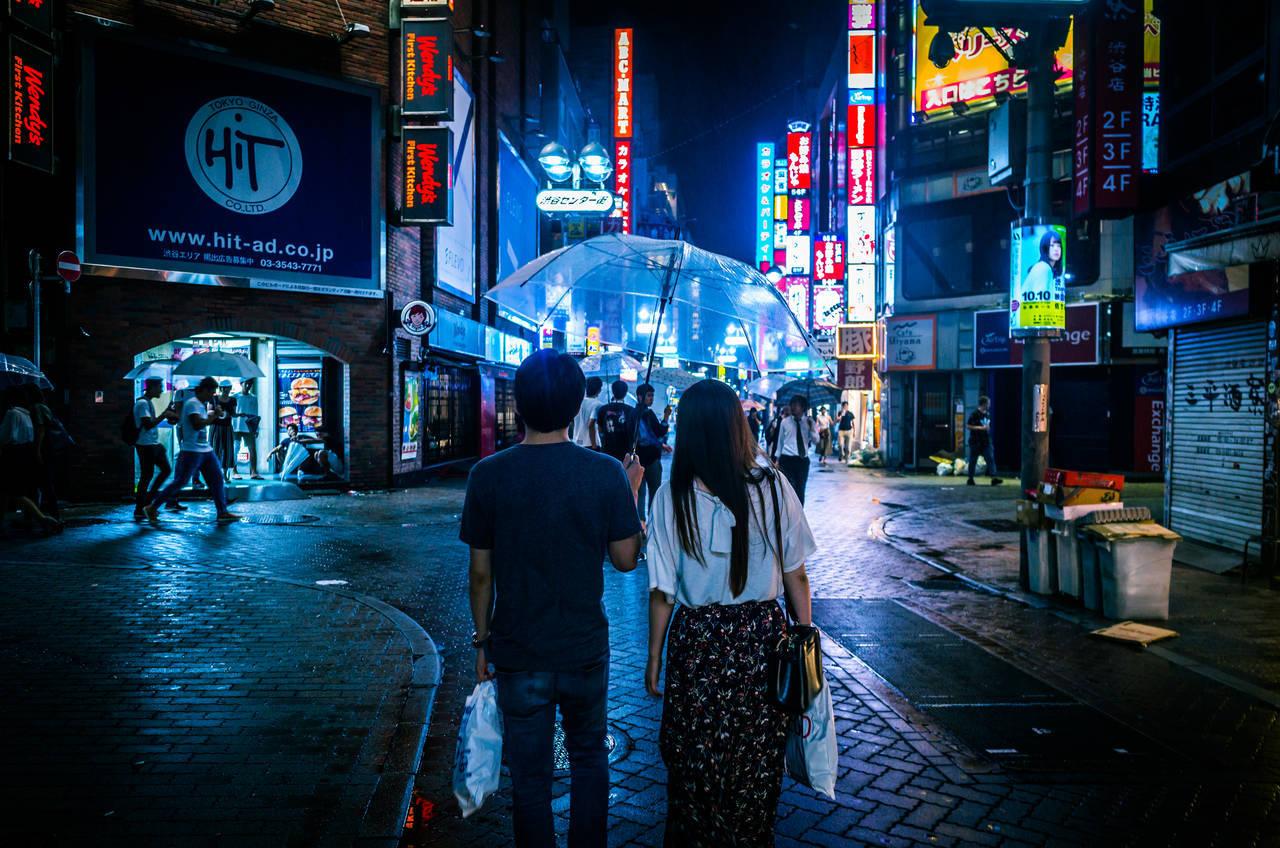
There’s a certain quietness in Japan that anime portrays remarkably well. Evening train rides, narrow neighborhood streets, rain against apartment windows, convenience stores glowing in the distance, and soft winter snowfall all carry a strange calmness that becomes difficult to explain until you experience it yourself.
At first, scenes like these can seem overly dramatic or cinematic when watching anime from outside the country. Then one day you find yourself walking home through a quiet Japanese neighborhood while rain falls softly around the city, and suddenly those scenes no longer feel exaggerated.
They feel familiar.
Japan genuinely can feel cinematic in ways that are difficult to describe.

The Seasons Matter More Than I Expected
Another thing anime gets very right is the importance of seasons.
Before living in Japan, I assumed anime exaggerated the emotional focus placed on cherry blossoms, summer festivals, snowfall, and autumn leaves. But after spending enough time here, I realized how deeply seasonal change affects everyday life.
The atmosphere changes constantly throughout the year. Food changes. Clothing changes. Store displays change. Even moods and routines seem to shift with the seasons.
Japan pays attention to these transitions in a very intentional way, and that awareness becomes part of daily life surprisingly quickly.
Anime often captures this beautifully.

What Anime Usually Leaves Out
At the same time, anime creates very unrealistic expectations about Japan socially.
A lot of anime portrays life in Japan as emotionally dramatic, constantly exciting, and filled with exaggerated personalities and nonstop adventures. Real life here is usually much quieter and far more routine-based.
People are often polite, but also reserved. Friendships can take time. Social situations are not always straightforward, and communication can sometimes feel indirect, especially for foreigners adjusting to life here.
There’s a level of social nuance that anime naturally simplifies for storytelling purposes.
And honestly, that adjustment surprises many people when they first move to Japan.

School Life Is Far More Ordinary
Anime probably romanticizes school life more than anything else.
The rooftop lunches, dramatic confessions, constant excitement after school, and endless emotional moments certainly make for entertaining stories. Some aspects of that culture absolutely exist, but everyday student life is usually much more ordinary.
Students still deal with exams, pressure, commuting, expectations, and stress like anywhere else.
Anime understandably focuses on emotionally memorable moments because that’s what storytelling is designed to do. But if someone arrived in Japan expecting daily life to feel like a slice-of-life anime, reality would probably feel much quieter than expected.
The Quietness Is Real Though
Ironically, one of the most accurate things anime portrays is silence.
Japan can feel incredibly calm at times.
Not empty.
Not lonely necessarily.
Just quiet.
Late-night train rides, small cafés, snowy evenings, and quiet residential streets often carry a peacefulness that stays with you longer than major tourist attractions ever do.
That atmosphere is one of the reasons many people become emotionally attached to living in Japan over time.
Living Here Changes Your Perspective
Being married to a Japanese wife has also changed the way I view many of these cultural differences.
Over time, you begin noticing things anime rarely focuses on: family expectations, indirect communication, work culture pressures, social etiquette, and the countless small unspoken rules people quietly follow in everyday life.
Japan is not some perfect fantasy world.
Like every country, it has strengths and challenges existing side-by-side. There are aspects of life here that are incredibly convenient and peaceful, while other parts can feel demanding, isolating, or difficult to navigate depending on the situation.
But honestly, I think that complexity is part of what makes Japan interesting.
It feels human.

Why Anime Still Matters
Even with all of its exaggerations, anime still introduces millions of people to Japanese culture, aesthetics, storytelling, and traditions.
For some people, it inspires travel.
For others, it inspires language learning, art, writing, or creativity itself.
And there’s something meaningful about that.
Because even if anime exaggerates reality, it often captures the emotional feeling of Japan surprisingly well. The atmosphere, the quietness, the seasons, and the small emotional moments often feel very real.
Final Thoughts
Living in Japan taught me that anime is neither completely accurate nor completely disconnected from reality.
It exists somewhere in the middle.
It romanticizes things. It exaggerates things. It simplifies things.
But sometimes it also captures emotions and atmosphere in ways that feel surprisingly honest.
And after living here long enough, you begin realizing that some of the quietest moments in Japan really do feel like scenes from a story.