
Editorial Note
Minority-Owned Business Spotlight is a New To Education series highlighting businesses with publicly documented minority, immigrant, veteran, women, Indigenous, or historically underrepresented ownership and founder stories.
This article is intended for educational and informational purposes only. Inclusion does not constitute an endorsement, sponsorship, paid promotion, formal minority-business certification claim, or recommendation of any company, product, program, or service. Cultural teachings and Indigenous knowledge should be approached with respect, and some traditions are not intended for unrestricted public or commercial use.
Many consulting firms advise organizations on strategy, leadership, sustainability, or community relations.
Moskehtu Consulting approaches those subjects from a perspective that remains uncommon in mainstream business: Indigenous knowledge is not a historical artifact. It is a living source of insight that can guide environmental stewardship, organizational leadership, philanthropy, cultural preservation, and relationships with Native communities.
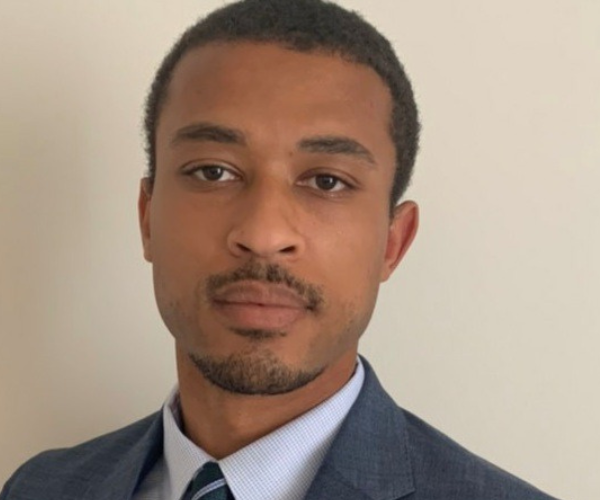
The New York-based company was founded by Chenae Bullock, an enrolled citizen of the Shinnecock Indian Nation and a descendant of the Montauk people of Long Island.
Bullock is a cultural preservationist, environmental advocate, historian, author, and entrepreneur whose work connects ancestral knowledge with present-day institutional challenges. Through Moskehtu Consulting, she helps organizations move beyond symbolic recognition of Indigenous people and toward relationships based on cultural understanding, reciprocity, and responsibility.
The company’s story demonstrates how a consulting business can create economic opportunity while also protecting knowledge, strengthening communities, and challenging organizations to reconsider how they define progress.
A Business Rooted in the Shinnecock Community
Chenae Bullock grew up connected to the Shinnecock Indian Nation on Long Island.
Her work in cultural and heritage preservation began long before Moskehtu Consulting was created. Bullock has described herself as a traditional Indigenous woman, historian, activist, water protector, and cultural practitioner.
She developed professional experience through museums, historic institutions, cultural organizations, government-related initiatives, environmental projects, and tribal community work. Her background included research, public education, cultural interpretation, museum curation, and the preservation of Native historic sites and traditions.
That experience allowed Bullock to recognize a recurring problem.
Government agencies, businesses, museums, nonprofits, developers, and philanthropic organizations often wanted to engage with Indigenous communities but lacked the knowledge needed to do so responsibly. Some treated Native people as historical subjects rather than living nations. Others attempted to use Indigenous language, imagery, land, or environmental knowledge without developing genuine relationships with the communities involved.
Bullock saw an opportunity to build a firm capable of helping organizations understand those differences.
Why Moskehtu Consulting Was Created
Moskehtu Consulting was founded in 2019.
According to the company, it was established in response to the gap between institutional sustainability goals and Indigenous relationships with land, culture, and community.
Many organizations publicly discuss environmental, social, and governance goals. They may promise to improve sustainability, protect natural resources, support diversity, or invest in underserved communities.
However, those goals can become shallow when the organization does not understand the people whose lands, knowledge, or histories are involved.
Moskehtu Consulting helps clients examine the difference between extraction and reciprocity.
An extractive relationship takes information, labor, resources, cultural ideas, or public credibility without returning meaningful value to the community. A reciprocal relationship recognizes responsibilities, builds trust, compensates knowledge holders, respects cultural boundaries, and creates benefits that extend beyond the institution.
This distinction is important because Indigenous knowledge is increasingly discussed in climate, conservation, wellness, and sustainability spaces. Growing interest can create opportunities, but it can also lead to cultural appropriation or the misuse of traditions.
Moskehtu Consulting works to help organizations engage more responsibly.
What Moskehtu Consulting Does
Moskehtu Consulting provides services involving cultural strategy, environmental stewardship, organizational advising, leadership development, philanthropy, community engagement, and Indigenous cultural education.
The company has worked with businesses, museums, nonprofits, foundations, family offices, government-related organizations, environmental groups, and other institutions.
Its work may involve helping an organization understand Native history, evaluate its relationship with Indigenous communities, design culturally responsible programming, improve tribal engagement, or integrate environmental reciprocity into its operations.
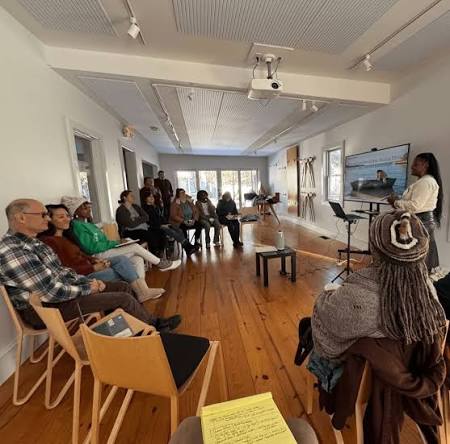
The firm also develops retreats, cultural experiences, land-based programs, and educational activities that encourage participants to reconsider their relationship with the natural environment.
Moskehtu Consulting reports that its team has led retreats and cultural experiences for thousands of participants and helped redirect millions of dollars toward Indigenous-led and community-rooted projects.
These services demonstrate that cultural knowledge can have practical applications within modern organizations. However, the goal is not to turn every Indigenous teaching into a corporate tool.
A responsible consultant must also help clients understand what should not be taken, simplified, or commercialized.
Indigenous Knowledge and Environmental Stewardship
Environmental stewardship is central to Bullock’s work.
Indigenous communities have developed detailed knowledge of local lands, waterways, plants, animals, seasons, and ecosystems over many generations. That knowledge is sometimes described as Indigenous Traditional Ecological Knowledge.
It may include information about plant use, water protection, controlled burning, seasonal harvesting, wildlife behavior, coastal ecosystems, agriculture, and the responsibilities communities have toward the land.
This knowledge should not be treated as a collection of convenient environmental tips. It exists within cultural relationships, histories, languages, and systems of responsibility.
Moskehtu Consulting helps organizations recognize that sustainability involves more than reducing waste or publishing environmental goals.
It also involves asking who has cared for a place, whose knowledge has been ignored, which communities experience the effects of environmental harm, and whether the proposed solution respects tribal sovereignty and cultural authority.
For students and future business leaders, this expands the meaning of environmental education. Sustainability is not only a scientific or technical issue. It is also connected to history, culture, economics, ethics, and community relationships.
Restoring Indigenous Visibility in New York
New York is often presented as a place defined by skyscrapers, finance, immigration, entertainment, and urban growth.
That story is incomplete without the Native nations and peoples whose homelands include what is now New York State.
The Shinnecock Indian Nation remains on Long Island, while other Native nations maintain communities, governments, territories, and cultural relationships throughout the state.
Bullock’s work helps make that continued presence visible.
She has participated in cultural programs, environmental initiatives, ceremonies, educational events, and traditional paddles through waterways historically used by Indigenous communities.
These paddles do more than recreate a historic activity. They restore Native presence to waterways from which Indigenous histories have often been erased.
Bullock has helped support the revitalization of northeastern Algonquin canoe traditions and organized journeys connecting Native communities across the region.
The work communicates a simple but important message: Indigenous people are not only part of New York’s past. They remain part of its present and future.
Turning Cultural Expertise Into an Enterprise
Moskehtu Consulting also challenges narrow assumptions about what a Native-owned business should look like.
Indigenous entrepreneurship is sometimes associated only with tourism, arts and crafts, gaming, agriculture, or retail. Native business owners operate in those industries, but they also lead consulting firms, technology companies, construction businesses, financial organizations, environmental enterprises, and professional-service companies.
Bullock turned years of cultural preservation, research, environmental work, public education, and leadership experience into a consulting business.
That transition shows how specialized knowledge can become the foundation of an enterprise.
Entrepreneurs often assume they need to invent a physical product. Moskehtu Consulting demonstrates that experience, relationships, cultural understanding, research skills, and strategic insight can also become valuable services.
However, cultural consulting requires unusual care.
A founder must decide what knowledge can be shared, who has the authority to share it, how communities should be compensated, and whether the client is prepared to act respectfully.
The consultant is not simply selling information. The consultant may be protecting boundaries at the same time.
Helping Organizations Move Beyond Land Acknowledgments
Many organizations now begin events or publications with land acknowledgments recognizing the Indigenous peoples connected to a particular location.
A thoughtful land acknowledgment can encourage people to learn more about local Native history and continued tribal presence.
However, words alone do not create a relationship.
An organization may recognize Indigenous land while purchasing no services from Native businesses, building no partnerships with tribal communities, supporting no cultural preservation work, and making no changes to its behavior.
Moskehtu Consulting’s work encourages institutions to consider what should happen after the acknowledgment.
That may include paying Native educators and consultants, supporting Indigenous-led environmental projects, protecting cultural sites, changing philanthropic practices, developing long-term community relationships, or directing resources toward tribal priorities.
The larger lesson applies beyond Indigenous engagement.
Public statements are most credible when they are supported by decisions, budgets, policies, and continuing relationships.
Education as Part of the Business Model
Education is built into much of Moskehtu Consulting’s work.
The firm helps clients understand Indigenous history, environmental knowledge, cultural protocols, and relationships with Native communities. Bullock has also spoken publicly, written about plant knowledge and environmental stewardship, and participated in programs involving museums, schools, businesses, and community organizations.
The company’s educational work can help correct widespread misconceptions.
Native Americans are frequently presented as one cultural group, even though hundreds of distinct tribal nations have their own governments, languages, histories, traditions, and political relationships.
Another misconception is that Native history ended centuries ago. In reality, Native nations continue to govern, operate businesses, protect cultural sites, educate young people, manage land, create art, and participate in modern economic life.
Businesses like Moskehtu Consulting make those realities more visible.
They also show students that education-related careers can exist outside traditional classrooms. A cultural strategist may teach executives. An environmental consultant may educate a development team. A historian may help a museum rethink an exhibition. A community leader may guide a foundation toward more responsible investments.
What Entrepreneurs Can Learn From Moskehtu Consulting
Moskehtu Consulting demonstrates the value of building a business around specialized knowledge.
Bullock developed expertise through years of cultural preservation, environmental advocacy, historical research, public speaking, and community work. The company transformed those experiences into services that organizations could understand and purchase.
The business also shows the importance of having a clear purpose.
Moskehtu Consulting is not a general firm attempting to serve every possible client. Its identity is rooted in Indigenous cultural knowledge, environmental responsibility, and reciprocal relationships.
Another lesson is that growth does not have to require abandoning cultural values.
The company has expanded its team and worked across several sectors while continuing to present Indigenous leadership as central to its approach.
Moskehtu Consulting also illustrates why entrepreneurs sometimes need to educate the market before selling a service. Potential clients may not initially understand why cultural strategy, tribal engagement, or Indigenous environmental knowledge requires professional expertise.
Explaining the problem is therefore part of demonstrating the value of the solution.
Key Takeaways
Moskehtu Consulting is a Native American-owned consulting firm founded in New York by Chenae Bullock in 2019.
Bullock is an enrolled citizen of the Shinnecock Indian Nation and a descendant of the Montauk people of Long Island.
The company works across Indigenous cultural strategy, environmental stewardship, philanthropy, leadership, organizational advising, education, and community engagement.
Its work helps organizations move beyond symbolic recognition of Indigenous communities and toward relationships based on respect, cultural understanding, compensation, reciprocity, and responsibility.
Moskehtu Consulting also demonstrates that Native entrepreneurship exists across modern professional industries and that cultural knowledge can support a viable business without being reduced to a commodity.
Frequently Asked Questions
Who founded Moskehtu Consulting?
Moskehtu Consulting was founded by Chenae Bullock, a cultural preservationist, environmental advocate, historian, author, and entrepreneur.
Is Moskehtu Consulting Native American-owned?
Yes. Moskehtu Consulting is Indigenous-owned and operated. Bullock is an enrolled citizen of the Shinnecock Indian Nation and a descendant of the Montauk people.
When was Moskehtu Consulting founded?
The company was founded in 2019.
Where is Moskehtu Consulting based?
Moskehtu Consulting identifies New York as one of its primary locations. Its founder and much of its work are closely connected to the Shinnecock Nation and Long Island.
What services does the company provide?
Its services include cultural strategy, Indigenous community engagement, environmental stewardship, leadership advising, philanthropy strategy, educational programming, land-based experiences, retreats, and organizational consulting.
Does Moskehtu Consulting offer public programs?
The company has offered public cultural and environmental experiences, educational events, plant-knowledge resources, and land-based wellness activities. Availability may change, so readers should consult the official website for current offerings.
Final Thoughts
Moskehtu Consulting represents a form of entrepreneurship that is both modern and deeply rooted.
Chenae Bullock built the company by recognizing that organizations increasingly wanted to address sustainability, cultural inclusion, and community impact but often lacked the knowledge needed to engage Indigenous people responsibly.
Her business responds to that gap without treating Indigenous culture as a trend or branding device.
Instead, Moskehtu Consulting asks institutions to think more carefully about land, history, relationships, responsibility, and the communities affected by their decisions.
The company also offers a valuable lesson for aspiring entrepreneurs.
Knowledge developed through family, community, professional experience, cultural practice, and years of service can become the foundation of a business. The challenge is not only determining how that knowledge creates value, but also protecting its integrity as the company grows.
Moskehtu Consulting shows that a business can advise modern institutions while remaining accountable to ancestral knowledge and Indigenous community values.
Related Articles
Minority-Owned Business Spotlight: Arrow’s Native Foods
Minority-Owned Business Spotlight: Wahpepah’s Kitchen Reclaims Native Foodways in Oakland
Support New To Education
New To Education publishes educational resources, business spotlights, news coverage, and practical information for students, educators, families, professionals, and entrepreneurs.
Readers who value our work can support New To Education through the donation area below. Each contribution helps us continue publishing accessible content, expanding our platform, supporting educators and creators, and connecting education with business and opportunity.
Sources
Moskehtu Consulting — Official Website
Moskehtu Consulting — Our Story
Moskehtu Consulting — Chenae Bullock, Founder and CEO
Cultural Survival — Indigenous Knowledge for Climate Change Mitigation
Cultural Survival Bazaar — Chenae Bullock
PowWows.com — Chenae Bullock: Historian and Cultural Preservationist
Shinnecock Portrait Project — Chenae Bullock
Bronx River Alliance — Community Programs With Moskehtu Consulting