





Editorial Note
Minority-Owned Business Spotlight is a New To Education series highlighting businesses with publicly documented minority, immigrant, veteran, women, Indigenous, or historically underrepresented ownership and founder stories.
This article is intended for educational and informational purposes only. Inclusion does not constitute an endorsement, sponsorship, paid promotion, formal minority-business certification claim, or recommendation of any company, product, or service. Locations, hours, menus, and product availability may change, so readers should consult the company’s official website for current information.
A grocery store can preserve much more than ingredients.
Its shelves may hold family recipes, migration stories, neighborhood history, and products that allow people to recreate the tastes of home. For immigrant communities, a trusted food business can become part market, part gathering place, and part cultural archive.
Sahadi’s has served that role in New York for generations.
The Lebanese American family business traces its roots to Manhattan’s former Little Syria neighborhood, where the Sahadi family established a shop during the 1890s. The business later moved across the East River and became a familiar part of Atlantic Avenue in Brooklyn.
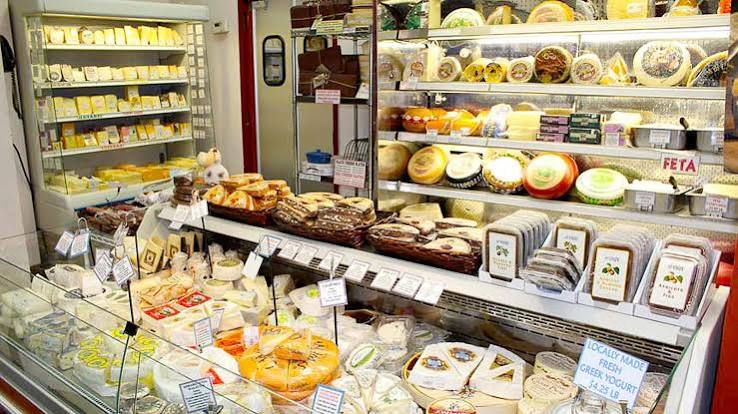
Today, Sahadi’s sells spices, grains, coffee, tea, nuts, dried fruit, olives, cheeses, sweets, prepared foods, and other products connected to Middle Eastern and Mediterranean cooking.
Its longevity demonstrates how a family business can change with New York while preserving the knowledge, service, and cultural identity that made customers trust it in the first place.
From Lebanon to Manhattan’s Little Syria
The Sahadi family originally came to the United States from Lebanon.
According to the company’s official history, the family established its first New York shop in Manhattan’s Little Syria neighborhood in 1895. The business served immigrants arriving from Lebanon and other parts of the Middle East who wanted familiar foods, household products, and cultural goods that were difficult to find elsewhere.
Little Syria developed in Lower Manhattan during the late nineteenth and early twentieth centuries. The neighborhood included Lebanese, Syrian, Palestinian, and other Arabic-speaking immigrants who opened restaurants, grocery stores, publishing businesses, religious institutions, and import companies.
Sahadi’s became part of that growing commercial community.
The shop imported and sold products that connected customers to the places they had left behind. These included spices, olives, grains, coffee, sweets, beverages, textiles, and other goods associated with daily life in the region.
For immigrant customers, purchasing those products was not simply a matter of convenience. Familiar ingredients allowed families to continue preparing traditional meals and passing recipes to younger generations.
The business therefore became part of the cultural infrastructure of the community.
Moving the Family Business to Brooklyn
New York’s Little Syria neighborhood was eventually disrupted by major construction and redevelopment projects, including work connected to the Brooklyn-Battery Tunnel.
As the neighborhood changed, members of the Sahadi family established a new operation in Brooklyn.
The company’s Atlantic Avenue store opened in 1948 and became part of another growing Middle Eastern commercial district. Lebanese, Syrian, Palestinian, and other immigrant families were increasingly living and operating businesses in Brooklyn.
Atlantic Avenue offered Sahadi’s an opportunity to remain connected to its traditional customer base while serving a wider New York audience.
Over time, the store expanded into neighboring storefronts and became a destination for both local residents and visitors.
Customers came for products such as tahini, chickpeas, bulgur, feta, labneh, olives, dried fruits, nuts, coffee, spices, grape leaves, Middle Eastern breads, halva, and baklava.
Many of these foods are now widely available in American supermarkets. That was not always the case.
Businesses such as Sahadi’s helped introduce generations of New Yorkers to ingredients that later became common in restaurants, home kitchens, specialty stores, and mainstream grocery chains.
A Family Business Across Several Generations
Sahadi’s has remained family-owned through several generations.
Ron Sahadi and Christine Sahadi Whelan became prominent leaders of the business, continuing the work established by earlier members of the family. A newer generation, including Caitlin and Michael, has also become involved in the company’s operations and expansion.
Multigenerational businesses face challenges that newer companies do not always encounter.
Each generation must decide which traditions should remain unchanged and which parts of the organization need to evolve. Family members must manage personal relationships alongside business responsibilities, ownership decisions, financial planning, and succession.
The next generation also inherits customer expectations built over decades.
Longtime shoppers may expect familiar service, recipes, and products. Newer customers may want online ordering, delivery, modern packaging, prepared meals, events, and expanded dietary options.
Sahadi’s has continued growing while keeping its family history visible.
That continuity gives customers a sense that the business is not merely using heritage as a marketing message. The family remains actively connected to the stores, products, sourcing, and recipes.
Why Personal Service Still Matters
One of Sahadi’s defining qualities has been its approach to customer service.
Traditional specialty markets often rely on direct conversation between customers and employees. A shopper may ask how to use a spice, which olive has a milder flavor, how much grain is needed for a recipe, or which cheese would work best with a particular dish.
That kind of assistance is difficult to reproduce through a standard supermarket shelf or online product listing.
Sahadi’s employees have historically weighed bulk goods, offered samples, answered questions, and helped customers discover unfamiliar ingredients.
This turns shopping into an educational experience.
A person who enters looking for coffee may leave knowing the difference between several varieties of olives. Someone buying chickpeas may learn how dried chickpeas differ from canned products. A customer unfamiliar with za’atar may receive suggestions for using it with bread, vegetables, meat, or yogurt.
Knowledge becomes part of the service being sold.
This is an important lesson for small businesses competing with larger retailers. A family-owned market may not be able to match every price or shipping advantage offered by a national company. It can compete through expertise, trust, personal relationships, and a more memorable experience.
Preserving Recipes While Welcoming New Customers
Sahadi’s original customer base included Middle Eastern immigrant families searching for familiar ingredients.
As Brooklyn changed, the company began serving customers from a much wider range of backgrounds.
This required balance.
A business can lose its identity if it changes every product and tradition to follow current trends. It can also struggle if it refuses to respond to changes in its neighborhood or customer base.
Sahadi’s preserved traditional products while expanding its inventory and prepared-food offerings.
Its deli became known for items such as hummus, tabbouleh, stuffed grape leaves, kibbeh, labneh, salads, pastries, and other dishes connected to family and regional recipes.
At the same time, the stores began offering products from a wider range of producers and culinary traditions.
This allowed the company to remain meaningful to longtime customers while creating an approachable entry point for people who were less familiar with Middle Eastern food.
Cultural businesses do not need to choose between authenticity and accessibility. They can provide context, maintain standards, and invite new customers to learn.
Careful Sourcing as a Business Skill
Importing food products requires knowledge that customers may never see.
Business owners must evaluate quality, pricing, shipping conditions, government regulations, currency changes, harvests, political instability, and the reliability of suppliers.
For a company sourcing products from the Middle East, conflict and disruption can make those decisions even more difficult.
Sahadi’s has worked with producers, importers, and family connections to maintain access to spices, grains, coffee, nuts, olives, sweets, and specialty products.
The company has also roasted nuts, developed recipes, prepared foods in-house, and selected items based on quality rather than simply following the largest available brand.
Careful sourcing became one of the company’s competitive advantages.
Customers trusted that Sahadi’s had already evaluated the product before placing it on the shelf.
That trust takes years to build and can be lost quickly if a business sacrifices quality for short-term savings.
For entrepreneurs, sourcing is not merely a logistical task. It is part of the customer promise.
Recognition From the James Beard Foundation
In 2017, the James Beard Foundation named Sahadi’s one of its America’s Classics.
The award recognizes locally owned establishments with lasting appeal and food that reflects the character of their communities.
At the time, the foundation identified Christine Sahadi Whelan and Ron Sahadi as the owners of the Brooklyn business.
The recognition was significant because it placed a specialty Middle Eastern grocery and prepared-food store alongside other longstanding American food institutions.
It also challenged narrow ideas about what qualifies as classic American food.
American food culture has always been shaped by migration. Ingredients, recipes, techniques, and businesses brought by immigrant families have become inseparable from the country’s culinary identity.
Sahadi’s is therefore both a Lebanese American business and an American classic.
Its history shows how immigrant entrepreneurship becomes part of local tradition when a company serves several generations of customers.
Expanding Beyond the Atlantic Avenue Store
Sahadi’s eventually expanded beyond its longtime Atlantic Avenue location.
The company opened a larger market, café, and bar at Industry City in Brooklyn’s Sunset Park neighborhood. It also developed additional operations, including Sahadi Spirits and a presence at Manhattan’s Pier 57.
These formats allow the company to serve customers in different ways.
The Atlantic Avenue store maintains the atmosphere of a historic specialty market. The Industry City location combines groceries with prepared food, drinks, and a social dining experience. Online sales and nationwide shipping help customers purchase selected products even when they cannot visit New York.
Expansion can strengthen a business, but it also creates risk.
Customers expect the same quality and cultural identity at every location. Additional stores require more employees, inventory systems, training, management, and capital.
Sahadi’s growth illustrates how a company can introduce new formats while keeping its original products and family story at the center.
What Entrepreneurs Can Learn From Sahadi’s
Sahadi’s demonstrates the importance of adapting without abandoning the foundation of a business.
The company moved from Manhattan to Brooklyn, expanded its customer base, introduced prepared foods, developed new locations, and strengthened online sales. Yet it remained closely associated with Middle Eastern ingredients, family service, careful sourcing, and Lebanese American heritage.
The business also shows the value of specialized knowledge.
Products such as grains, olives, spices, coffee, and cheeses can be purchased from many retailers. Sahadi’s differentiates itself through selection, quality control, preparation, recommendations, and an understanding of how the ingredients are used.
Another lesson is that longevity must be actively maintained.
A company does not survive for generations simply because it has existed for a long time. Each generation must continue earning customer trust, responding to market changes, developing employees, and making difficult decisions about growth.
Sahadi’s also demonstrates how immigrant businesses contribute to education. Through food, customer conversations, recipes, and events, the company introduces people to Lebanese and wider Middle Eastern traditions.
Key Takeaways
Sahadi’s is a Lebanese American family-owned food business with roots in Manhattan’s Little Syria neighborhood.
The family established its first New York operation during the 1890s and later opened the Atlantic Avenue store in Brooklyn in 1948.
The business has remained family-operated across several generations while expanding its groceries, prepared foods, café service, retail locations, catering, and online sales.
Sahadi’s became known for Middle Eastern and Mediterranean ingredients, including spices, coffee, grains, olives, cheeses, dried fruits, nuts, sweets, and family-style prepared foods.
The James Beard Foundation recognized Sahadi’s with an America’s Classics award in 2017.
Its history demonstrates how cultural knowledge, careful sourcing, personal service, family succession, and thoughtful adaptation can help a business remain relevant for generations.
Frequently Asked Questions
Who owns Sahadi’s?
Sahadi’s remains operated by members of the Sahadi family. Public company histories identify Ron Sahadi, Christine Sahadi Whelan, and members of the next generation among the family members involved in its leadership and continued development.
Is Sahadi’s a Middle Eastern-owned business?
Yes. Sahadi’s is a Lebanese American family-owned business with roots extending to immigrants who established the original New York operation in Manhattan’s Little Syria neighborhood.
When was Sahadi’s founded?
The company traces its New York history to 1895. The longtime Atlantic Avenue store in Brooklyn opened in 1948.
What does Sahadi’s sell?
Sahadi’s sells spices, coffee, tea, grains, nuts, dried fruit, olives, cheeses, sweets, pantry products, prepared foods, baked goods, gifts, and other Middle Eastern and Mediterranean products.
Where is Sahadi’s located?
The company operates locations in Brooklyn and Manhattan, including its historic store at 187 Atlantic Avenue and a market and café at Industry City. Customers should consult the official website for current addresses and hours.
Did Sahadi’s receive a James Beard Award?
Yes. The James Beard Foundation named Sahadi’s one of its America’s Classics in 2017.
Final Thoughts
Sahadi’s is more than a place to purchase spices, olives, coffee, or prepared food.
It is part of a longer story about Lebanese immigration, New York neighborhoods, family entrepreneurship, and the ways cultural traditions become woven into American life.
The business began by helping immigrant customers find familiar products. It later introduced those same products to generations of New Yorkers from many different backgrounds.
Sahadi’s survived neighborhood changes, relocation, shifting customer expectations, supply disruptions, and the challenges of passing a business from one generation to the next.
Its success did not come from remaining exactly the same.
The company changed its locations, product selection, services, and sales channels while preserving the knowledge and personal relationships that made the original business valuable.
For aspiring entrepreneurs, Sahadi’s offers a clear lesson: adaptation is most powerful when a company understands which parts of its identity should never be treated as disposable.
Related Articles
Minority-Owned Business Spotlight: Reem’s California Brings Arab Bakery Culture Back to Oakland
Minority-Owned Business Spotlight: Diaspora Co. Reimagines the Indian Spice Trade From Oakland
Support New To Education
New To Education publishes educational resources, business spotlights, news coverage, and practical information for students, educators, families, professionals, and entrepreneurs.
Readers who value our work can support New To Education through the donation area below. Each contribution helps us continue publishing accessible content, expanding our platform, supporting educators and creators, and connecting education with business and opportunity.
Sources
Sahadi’s — Official Company History
Sahadi’s — Current Store Locations
James Beard Foundation — 2017 America’s Classic: Sahadi’s
James Beard Foundation — Ron and Christine Sahadi
Industry City — The Brooklyn Grocery Store That Feeds Nostalgia




