





Editorial Note
Minority-Owned Business Spotlight is a recurring New To Education series highlighting businesses with publicly documented minority, immigrant, women, veteran, Indigenous, or historically underrepresented ownership and founder stories.
This article is intended for educational and informational purposes only. Inclusion does not constitute an endorsement, sponsorship, paid promotion, formal certification claim, investment recommendation, or recommendation of any company, product, or service.
Some restaurants attract attention by introducing customers to something completely unfamiliar. Others succeed by taking a familiar dining tradition and presenting it in a way that feels new.
Nami Nori has built its identity around the second approach.
The restaurant specializes in open-style temaki, or Japanese hand rolls, served with carefully arranged seafood, vegetables, rice, sauces, and garnishes. Its food is polished and visually distinctive, but the experience was designed to feel approachable rather than overly formal.
Nami Nori was founded in New York by Taka Sakaeda, Jihan Lee, and Lisa Limb. Sakaeda, a Japanese American chef who grew up in the United States with Japanese parents, brought a personal perspective shaped by Japanese food traditions, American culture, and experience inside some of New York’s most demanding restaurants.
Together, the founders transformed that experience into a hospitality company with a recognizable product, a welcoming atmosphere, and a growing presence beyond its original New York location.
From Fine Dining to an Approachable Restaurant
Before opening Nami Nori, Sakaeda, Lee, and Limb worked together at Masa, the acclaimed Japanese restaurant in New York City.
Sakaeda’s culinary background also included experience at restaurants such as Eleven Madison Park and Blue Hill at Stone Barns. These environments placed a strong emphasis on ingredient quality, preparation, consistency, presentation, and service.
However, the founders did not simply attempt to reproduce a traditional fine-dining sushi experience at a lower price. They developed a more casual concept centered on temaki.
Nami Nori opened its original West Village restaurant in 2019. Instead of a lengthy tasting menu or a highly formal sushi counter, customers could order individual hand rolls or select a prepared set.
That decision allowed the founders to preserve careful technique while removing some of the expense, uncertainty, and formality that can make premium sushi dining feel inaccessible to new customers.
What Makes Nami Nori’s Temaki Different
Traditional temaki are commonly shaped like cones, with rice and fillings wrapped inside a sheet of nori.
Nami Nori developed an open-style version that resembles a small taco. The seafood, vegetables, sauces, and garnishes remain visible across the top of the crisp seaweed shell.
The presentation immediately distinguishes the restaurant from more traditional sushi businesses. It also allows customers to see the ingredients before eating the roll, making each serving visually memorable and easier to share through photography and social media.
Nami Nori describes itself as a casual yet elegant temaki bar offering a fresh interpretation of sushi dining. Its menu combines Japanese technique with creative experimentation while maintaining respect for the traditions behind the food.
This balance has become a central part of the company’s brand. Nami Nori is not marketed as a replacement for traditional sushi. It offers a different way to experience some of the same ingredients, skills, and culinary ideas.
A Japanese American Perspective on Food
Sakaeda grew up in the United States in a Japanese household.
According to a StarChefs profile, his mother worked as a hospital nutritionist and was an accomplished home cook, while his father regularly offered opinions about the family’s meals. Those early experiences helped create a foundation for Sakaeda’s eventual culinary career.
His professional path began with restaurant work that included washing dishes and preparing ingredients before he moved into more advanced sushi responsibilities. He later developed his skills inside prominent New York kitchens.
Sakaeda has described a culinary vision that merges his Japanese and American experiences. That perspective is reflected in a restaurant that respects Japanese technique without attempting to recreate every expectation of a conventional sushi bar.
For many multicultural entrepreneurs, identity does not fit neatly into a single category. Their businesses may reflect family traditions, professional training, local communities, and the wider culture in which they grew up.
Nami Nori demonstrates how those influences can work together rather than compete with one another.
Creating a More Inclusive Sushi Experience
Nami Nori’s official description emphasizes the founders’ goal of creating a more inclusive space that combines accessibility with a serious commitment to quality.
That goal can be seen in the restaurant’s atmosphere and ordering format.
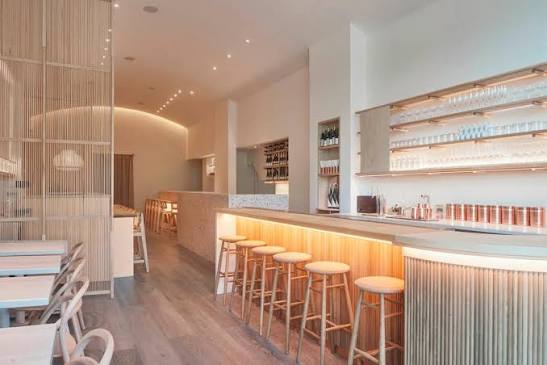
The dining rooms are bright, relaxed, and designed to feel social. Customers do not need extensive knowledge of sushi terminology or tasting-menu etiquette before sitting down. They can choose individual rolls, order a set, and explore the menu at their own pace.
The company has also offered vegan temaki selections, allowing customers who do not eat seafood or animal products to participate in a style of dining that is usually closely associated with fish.
This approach provides a useful lesson for entrepreneurs. Making a product more accessible does not necessarily require lowering its quality. A business can instead examine the barriers surrounding the product.
Those barriers may include price, atmosphere, complicated ordering systems, limited dietary choices, or assumptions about what customers already understand.
Nami Nori preserved the care involved in preparing the food while changing the environment in which customers experience it.
Turning a Signature Product Into a Recognizable Brand
One of Nami Nori’s strongest business advantages is its signature product.
Customers may encounter many ingredients and flavor combinations, but the restaurant remains closely associated with its open-style temaki. The rolls are distinctive enough to be recognized in photographs and simple enough for first-time customers to understand.
This gives Nami Nori a clear market identity.
Many businesses struggle because they offer too many disconnected products without giving customers one strong reason to remember the brand. Nami Nori built its concept around an item that is visually recognizable, flexible, and adaptable to different ingredients.
The restaurant’s atmosphere reinforces that identity. Its light, airy spaces are intended to evoke the relaxed feeling of a beach house, creating a contrast with the energy of the surrounding city.
The food, interior design, ordering system, and service philosophy all support the same brand experience.
Growing Beyond the West Village
Nami Nori began in Manhattan’s West Village and later expanded to Williamsburg in Brooklyn and Montclair, New Jersey.
The company has since grown into additional markets. Its official website currently lists locations in New York, New Jersey, Virginia, and Florida.
Expansion is especially difficult in the restaurant industry because every location must manage ingredient sourcing, food preparation, employee training, service, and customer expectations.
A concept that works in one neighborhood does not automatically succeed in another city.
Nami Nori’s expansion suggests that the founders developed more than a popular menu. They created an experience that could be repeated while still maintaining a recognizable identity.
The founders have also developed other hospitality concepts, including Matsuyoi, a more intimate Japanese dining experience, and Postcard, a Japanese-inspired bakery in New York.
These businesses allow the company to explore different parts of Japanese food culture without forcing every idea into the original Nami Nori format.
Pharrell Williams and the Company’s Expansion
Nami Nori also attracted the attention of musician, designer, and entrepreneur Pharrell Williams.
According to GQ, Williams became an investor and partner after visiting the original West Village restaurant and responding positively to its food, energy, design, and hospitality.
His involvement helped support the company’s expansion into additional markets, including Miami and Virginia Beach.
Celebrity investment can bring attention to a growing business, but it cannot replace the fundamentals that made the company attractive in the first place. Nami Nori already had an established product, experienced founders, a strong visual identity, and a clear service philosophy before the partnership developed.
The relationship shows how a well-defined brand can create opportunities beyond traditional restaurant sales. A strong company identity may lead to investment, collaborations, special events, catering opportunities, and expansion into new markets.
What Entrepreneurs Can Learn From Nami Nori
Nami Nori offers several useful lessons for entrepreneurs in food, hospitality, and other creative industries.
The first is the importance of translating experience rather than copying it.
The founders worked in elite restaurants, but they did not create a direct imitation of Masa. They identified the parts of that experience that mattered most, including preparation, ingredient quality, discipline, presentation, and hospitality. They then placed those qualities inside a more approachable business model.
The second lesson is the value of a recognizable signature product.
Nami Nori’s open-style hand rolls are distinctive enough to attract attention while remaining flexible enough to support seasonal ingredients, vegan choices, and creative combinations.
The third lesson involves inclusion.
Instead of assuming customers needed to adapt to a traditional fine-dining environment, the founders adjusted the experience around the customer. They created a relaxed setting, simplified the ordering process, expanded dietary choices, and made the food visually understandable.
Finally, the company demonstrates that cultural identity can be a source of innovation. Sakaeda’s Japanese American background helped shape a business that connects Japanese techniques with the expectations of a diverse American audience.
Key Takeaways
Nami Nori is a New York restaurant business founded by Taka Sakaeda, Jihan Lee, and Lisa Limb. The founders used experience gained inside prominent restaurants to create a more casual and accessible temaki concept.
Sakaeda’s Japanese American upbringing is an important part of the company’s story. His culinary perspective reflects both Japanese family influences and an American professional career, giving Nami Nori an identity that is culturally grounded without being restricted by a single format.
The company also shows that accessibility and quality do not have to work against one another. Nami Nori expanded its potential audience by changing the atmosphere, ordering process, presentation, and menu options surrounding premium Japanese food.
Its growth beyond New York demonstrates the value of building a recognizable product and a consistent brand experience before pursuing expansion.
Frequently Asked Questions
Who founded Nami Nori?
Nami Nori was founded by Taka Sakaeda, Jihan Lee, and Lisa Limb. The three founders previously worked together at Masa in New York.
Is Nami Nori a Japanese American-owned business?
Nami Nori is a multicultural, Asian American-founded business. Chef and co-founder Taka Sakaeda grew up in the United States with Japanese parents and has publicly discussed combining Japanese and American influences in his cooking.
When did Nami Nori open?
The original Nami Nori restaurant opened in New York City’s West Village in 2019.
What type of food does Nami Nori serve?
Nami Nori specializes in open-style temaki. These Japanese hand rolls combine crisp nori, seasoned rice, seafood, vegetables, sauces, and other toppings in a distinctive open presentation.
Does Nami Nori have locations outside New York?
Yes. The company’s official website currently lists locations in New York, New Jersey, Virginia, and Florida. Customers should check the official location pages for current addresses, opening hours, and reservation information.
Final Thoughts
Nami Nori represents a modern form of Japanese American entrepreneurship one that respects culinary tradition while leaving room for experimentation, accessibility, and growth.
Its founders took skills developed inside some of New York’s most demanding restaurants and used them to build something more relaxed and approachable. They did not abandon the importance of quality. They changed the format surrounding it.
That distinction is important.
Innovation does not always require inventing an entirely new product. Sometimes it means identifying what customers appreciate about an existing tradition and removing the barriers that prevent more people from experiencing it.
Nami Nori’s success shows what can happen when cultural knowledge, professional experience, thoughtful branding, and inclusive hospitality are placed at the center of a business.
Related Articles
Minority-Owned Business Spotlight: Umami Mart Brings Japanese Design and Drinking Culture to Oakland
Minority-Owned Business Spotlight: Fugetsu-Do Confectionery
Support New To Education
New To Education publishes educational resources, business spotlights, news coverage, and practical information for learners, educators, families, professionals, and entrepreneurs.
Readers who value our work can support New To Education through the donation area below. Every contribution helps us continue publishing accessible content, improving our platform, supporting educators and creators, and connecting education with business and opportunity.
Sources
Nami Nori — Official Website and Company Overview
StarChefs — Profile: Chef Taka Sakaeda of Nami Nori
Heritage Radio Network — From Masa to Nami Nori: A Culinary Journey of Chef Taka Sakaeda
Gourmand Community — Taka Sakaeda of Nami Nori
GQ — Pharrell Loved This Hand Roll Spot So Much He Became a Partner




