
Editorial Note
This article is intended for general travel and educational purposes.
Admission fees, operating hours, transportation schedules, weather conditions, and access rules can change. Travelers should confirm current information through official attraction and transportation websites before visiting.
New To Education is not affiliated with Matsumoto City, Matsumoto Castle, local businesses, museums, hotels, or transportation providers mentioned in this guide.
Tokyo has energy. Kyoto has temples. Osaka has food and personality.
Matsumoto offers something quieter.
Located in Nagano Prefecture and surrounded by mountains, Matsumoto combines one of Japan’s most impressive surviving castles with historic shopping streets, local museums, mountain views, and a walkable city center.
It is large enough to fill a weekend but compact enough that visitors do not spend the entire trip moving between train stations.
Matsumoto is also an excellent choice for travelers who want to experience traditional Japan without following the busiest version of the Tokyo-Kyoto route.
The city’s most famous landmark is Matsumoto Castle, a black-and-white fortress designated as a National Treasure. However, the castle is only the beginning.
Visitors can walk through merchant districts lined with old storehouses, explore a museum connected to contemporary artist Yayoi Kusama, eat regional soba, and use the city as a base for mountain destinations such as Kamikochi and the wider Japanese Alps. Matsumoto’s official tourism organization describes it as a castle town where more than 400 years of history coexist with museums, galleries, and modern culture.
Why Matsumoto Is Worth Visiting
Matsumoto works particularly well for travelers who want variety without chaos.
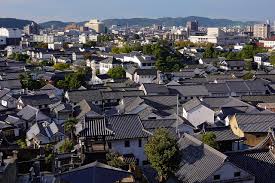
The city offers major historical attractions, but it does not feel like an outdoor museum. People still live, work, shop, and attend school around the preserved streets and castle district.
The mountains are visible from parts of the city, giving Matsumoto a strong sense of place.
It also feels more relaxed than Japan’s largest urban destinations. Visitors can spend time walking rather than racing between major attractions.
A one-day visit is possible, but staying for at least one night allows travelers to see the castle early, enjoy the city after day-trippers leave, and add a museum or nearby mountain excursion.
Start With Matsumoto Castle
Matsumoto Castle should be the first major stop.
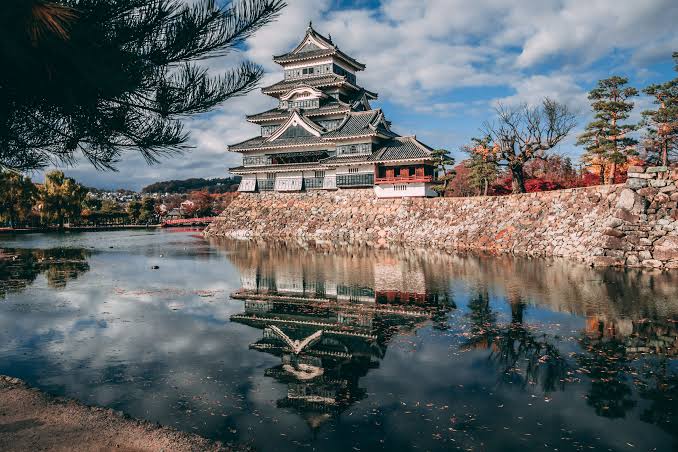
The six-story black castle rises above a wide moat and is one of Japan’s best-preserved original castles. It is recognized as a National Treasure and remains one of Nagano Prefecture’s most important historic sites.
Its dark exterior has earned it the nickname “Crow Castle,” although the official name remains Matsumoto Castle.
Unlike reconstructed castles that contain elevators and modern exhibition floors, Matsumoto Castle preserves much of the feeling of a defensive structure.
Visitors climb steep wooden staircases, pass through narrow interiors, and view openings designed for archers and firearms.
The climb can be physically demanding.
People with limited mobility, knee problems, balance concerns, or difficulty with steep stairs should consider enjoying the exterior, moat, gardens, and museum areas without entering the upper floors.
Most visitors spend approximately 45 to 60 minutes inside the castle, though waits can become much longer during Golden Week, Obon, weekends, and other busy travel periods. The official castle website warns that admission may be limited during crowded periods for safety.
Arriving shortly after opening is the best strategy.
Morning light also creates beautiful reflections of the castle in the moat before the grounds become crowded.
Walk Through the Castle Grounds
Even travelers who do not enter the castle should spend time walking around it.
The surrounding moat, bridges, stone walls, gardens, and views of the keep provide several different perspectives.
The castle looks especially striking when reflected in the water.
At night, illumination can give the structure a completely different atmosphere. The Japan National Tourism Organization highlights the reflected, illuminated castle as one of the area’s memorable sights.
The surrounding moat, bridges, stone walls, gardens, and views of the keep make the area worth exploring slowly.
On clear days, the dark castle can appear especially dramatic against the mountains and open sky. Spring brings cherry blossoms, summer creates bright green scenery, autumn adds warm colors, and winter may cover the grounds and nearby peaks with snow.
The grounds are also easier to photograph from different angles than many visitors expect. Walking around the moat reveals changing views of the main keep, connecting structures, and defensive walls.
Travelers should remember that the castle is a protected historic site rather than a theme park. Touching restricted surfaces, blocking narrow walkways, flying drones, or ignoring staff instructions can damage the experience for other visitors and place the structure at risk.
Explore Nawate Street
A short walk from Matsumoto Castle leads to Nawate Street, a narrow pedestrian shopping area beside the Metoba River.
The street is known for small shops, snacks, antiques, local crafts, and frog-themed decorations.
The frog imagery comes partly from a Japanese wordplay involving kaeru, which can mean both “frog” and “to return.” The theme has developed into one of the street’s most recognizable features.
Nawate Street is not enormous, but it adds personality to the castle district.
Visitors can browse traditional sweets, souvenirs, ceramics, toys, and casual food stalls. It is a good place to slow down rather than treating every stop as a checklist item.
The street is especially pleasant between the castle and Nakamachi, allowing travelers to connect several major areas on foot.
Some stores close earlier than visitors might expect, so afternoon is generally better than waiting until late evening.
Walk Through Nakamachi Street
Nakamachi Street preserves part of Matsumoto’s merchant history.
The district is known for traditional kura storehouses with white walls, black decorative patterns, and heavy construction originally intended to protect valuable goods from fire.
Many of these historic buildings now contain cafés, craft stores, galleries, restaurants, and specialty shops.
The area offers a different experience from the castle.
Instead of one major monument, Nakamachi rewards attention to architectural details, courtyards, signs, windows, and the way older buildings have been adapted for modern use.
Visitors interested in ceramics, woodworking, textiles, folk crafts, or traditional design may find Nakamachi especially enjoyable.
It is also a good area for a quiet lunch or coffee break.
Travelers should remain aware that this is not only a tourist district. People live and work nearby, so visitors should avoid blocking doorways, entering private areas, or treating residential streets as photography sets.
Visit the Matsumoto City Museum of Art
Matsumoto is the birthplace of internationally known contemporary artist Yayoi Kusama.
The Matsumoto City Museum of Art includes works connected to Kusama as well as exhibitions involving other artists and themes.
Kusama is widely recognized for repeated dots, mirrored environments, pumpkins, and immersive installations. Her work often explores infinity, repetition, identity, and psychological experience.
Even visitors who do not usually seek out contemporary art may find the museum visually memorable.
The building and exterior installations create a strong contrast with the historic castle and merchant streets. That contrast is part of Matsumoto’s appeal: the city does not depend entirely on its past.
Museum exhibitions, admission arrangements, and temporary closures can change. Travelers should review the official schedule before planning the visit, particularly if they are traveling specifically to see a certain work.
Photography rules may also vary by gallery.
Eat Shinshu Soba
Nagano Prefecture is one of Japan’s best-known regions for soba.
Soba noodles are made primarily from buckwheat and may be served cold with dipping sauce or hot in broth.
Cold zaru soba is especially refreshing during warmer months. Hot soba becomes comforting in autumn and winter.
Quality soba has a distinct earthy flavor and a firmer texture than many wheat-based noodles.
Restaurants may offer tempura, grated daikon, mushrooms, mountain vegetables, wasabi, or local seasonings alongside the noodles.
Some establishments also serve sobayu, the hot water used to cook the noodles. Diners may mix it with the remaining dipping sauce and drink it near the end of the meal.
People with allergies should exercise caution. Soba is made with buckwheat, which can cause severe allergic reactions in some individuals. Cross-contact may also occur in restaurants serving other noodles.
Try Oyaki and Other Nagano Foods
Another regional food worth trying is oyaki.
Oyaki is a filled dumpling commonly associated with Nagano Prefecture. The outer dough may be grilled, steamed, or cooked using a combination of methods.
Fillings can include vegetables, mushrooms, pumpkin, eggplant, miso, or sweet bean paste.
It developed as a practical food in mountainous communities where wheat and buckwheat could be easier to cultivate than rice.
Modern versions vary considerably, so trying more than one can reveal different textures and flavors.
Other local foods may include mountain vegetables, apples, dairy products, local miso, pickles, mushrooms, and regional sake.
Matsumoto also has cafés, bakeries, izakaya, and restaurants serving food beyond traditional Nagano cuisine.
Travelers do not need to force every meal into a list of famous dishes. Sometimes the best discovery is simply entering a small restaurant that appears busy with local customers.
Visit the Japan Ukiyo-e Museum
Travelers interested in Japanese woodblock prints may consider the Japan Ukiyo-e Museum.
The museum is connected to the Sakai family collection, which includes works gathered across several generations.
Ukiyo-e prints depicted actors, landscapes, famous places, beautiful people, historical stories, and scenes from everyday life.
Artists such as Hokusai and Hiroshige helped make the form internationally influential.
The museum is located outside the most walkable central sightseeing area, so visitors should check transportation and operating schedules carefully.
It may fit best into a longer stay rather than a rushed one-day itinerary.
The museum can also help visitors understand how images of Japan circulated before modern photography and mass tourism.
Discover the Former Kaichi School
The Former Kaichi School is one of Japan’s most important early modern school buildings.
Originally opened during the Meiji period, it reflects Japan’s rapid educational modernization after centuries of feudal rule.
The building combines Japanese and Western architectural influences and offers insight into how education became connected to national development.
For travelers interested in schools, teaching, architecture, or social history, it is one of Matsumoto’s most meaningful sites.
Its value goes beyond appearance.
The building represents a period when Japan was reconsidering who should receive education, what schools should teach, and how learning could support a modern state.
Renovation work and access conditions have changed at different times, so visitors should verify whether the interior is open.
Even when access is limited, the site remains historically important.
Use Matsumoto as a Base for Kamikochi
One of the greatest advantages of Matsumoto is its access to Kamikochi.
Kamikochi is a mountain valley within the Chubu-Sangaku National Park and one of Japan’s most celebrated natural destinations.
The area offers rivers, forests, walking trails, suspension bridges, wetlands, and views of the Northern Japanese Alps.
Private vehicles are restricted in order to protect the environment and manage congestion. Visitors generally arrive using designated buses or taxis from transfer points such as Sawando.
Travel time from central Matsumoto can be significant, so Kamikochi should not be treated as a quick side trip.
An early start is strongly recommended.
Weather can change rapidly in mountain areas, even during summer. Travelers should bring suitable footwear, water, sun protection, rain gear, and layers.
Kamikochi is usually inaccessible during the winter closure period, and exact seasonal opening dates should be confirmed through official sources.
Consider a Day Trip to Norikura
Mount Norikura is another major natural destination accessible from the Matsumoto region.
The area offers hiking, mountain scenery, waterfalls, cycling, and high-elevation landscapes.
Like Kamikochi, access is regulated in some areas, and transportation arrangements can change by season.
Visitors should not assume that ordinary city clothing is appropriate for every trail.
Altitude, weather, physical condition, and transportation timing all matter.
A trip to Norikura can work well for travelers who want a stronger outdoor component than central Matsumoto provides.
However, people with limited time may find it better to enjoy the city fully rather than adding a complicated mountain excursion.
A Practical One-Day Matsumoto Itinerary
A one-day visit should begin early.
Start at Matsumoto Castle shortly after opening. Walk around the moat before entering, then explore the interior if your mobility and schedule allow.
After leaving the castle, continue toward Nawate Street and browse the shops.
From there, walk to Nakamachi Street for lunch, coffee, or local crafts.
Spend the afternoon at the Matsumoto City Museum of Art or the Former Kaichi School, depending on your interests and current opening conditions.
Return toward the station slowly, leaving enough time to eat soba or purchase local food before departure.
This itinerary keeps travel distances manageable and avoids trying to include a mountain destination in the same day.
A Better Two-Day Itinerary
A two-day stay allows a much more relaxed experience.
On the first day, focus on Matsumoto Castle, Nawate Street, Nakamachi Street, and the city’s restaurants.
Use the second day for the art museum, Former Kaichi School, another cultural site, or a longer café and shopping experience.
Travelers visiting during the appropriate season could instead use the second day for Kamikochi.
Anyone choosing Kamikochi should consider staying two nights in Matsumoto so that a delayed return or long mountain day does not interfere with onward travel.
A slower itinerary also gives visitors room for poor weather.
Matsumoto is enjoyable in rain, but mountain destinations may become less suitable.
How to Reach Matsumoto From Tokyo
One of the most convenient routes from Tokyo is the limited express train from Shinjuku Station.
The journey generally takes around two and a half to three hours, depending on the service.
Highway buses also operate between Tokyo and Matsumoto and may be less expensive, though road traffic can affect travel time.
Another option involves traveling by Shinkansen toward Nagano and transferring, but this is not always the simplest route for central Matsumoto.
Travelers using rail passes should confirm which trains and seat reservations are covered.
Reserved seats can be valuable during weekends, holidays, festivals, and peak travel seasons.
Matsumoto Station is reasonably close to the central sightseeing district. Most major city attractions can be reached by walking, local bus, or short taxi ride.
Getting Around the City
Central Matsumoto is highly walkable.
The station, castle, Nawate Street, Nakamachi, and many restaurants are located within a manageable area.
Local sightseeing buses can help visitors who want to reduce walking or reach attractions farther from the center.
Bicycles may also be available through rental services, though riders should follow local traffic rules and avoid cycling through crowded pedestrian areas.
Taxis are useful when carrying luggage or traveling to less central locations.
Comfortable shoes remain one of the best travel investments.
Castle stairs, stone areas, historic streets, and long city walks can become tiring even when individual distances appear short on a map.
Where to Stay
Staying near Matsumoto Station offers convenience for arrivals, departures, restaurants, and day trips.
Staying closer to the castle can provide a quieter atmosphere and easier early-morning access to the historic district.
Accommodation ranges from business hotels and hostels to traditional inns and higher-end properties.
Travelers planning mountain excursions should consider transportation schedules when selecting a hotel.
An inexpensive room far from the station may become inconvenient if the first bus departs early.
During festivals, autumn weekends, and popular hiking seasons, accommodation can fill quickly.
Booking in advance is sensible, particularly for travelers who need specific room arrangements or accessibility features.
The Best Time to Visit Matsumoto
Spring is popular because of cherry blossoms around the castle, though exact bloom dates vary.
Summer brings green landscapes and easier access to mountain destinations, but the city can become hot and humid during the day.
Autumn offers comfortable temperatures and colorful scenery.
Winter creates beautiful mountain views and the possibility of snow around the castle, but travelers should prepare for cold weather and possible transportation disruption.
There is no universally perfect season.
The best choice depends on whether the traveler prioritizes blossoms, hiking, festivals, autumn color, snow, or lower crowds.
Mountain access should always be checked separately from city conditions.
Matsumoto may be clear while higher elevations experience dangerous weather.
Travel Responsibly
Matsumoto’s appeal depends on preservation.
Historic buildings, narrow streets, local neighborhoods, and mountain environments can be damaged when visitor behavior becomes careless.
Travelers should carry rubbish until they find an appropriate bin, follow photography restrictions, avoid entering private property, and respect quiet residential areas.
In the mountains, visitors should remain on marked trails and avoid feeding wildlife.
Using local businesses also helps tourism contribute to the community.
Buying from independent shops, eating regional food, staying overnight, and visiting smaller museums can distribute spending beyond the most famous attraction.
Responsible travel is not about removing enjoyment.
It is about ensuring that the place remains enjoyable for residents and future visitors.
Key Takeaways
Matsumoto is a historic and cultural city in Nagano Prefecture with easy access to the Japanese Alps.
Matsumoto Castle is a National Treasure and one of Japan’s best-preserved original castles.
Nawate Street and Nakamachi Street offer shopping, food, crafts, and traditional architecture within walking distance of the castle.
The Matsumoto City Museum of Art connects the city with contemporary artist Yayoi Kusama.
Local foods include Shinshu soba, oyaki, apples, mountain vegetables, mushrooms, and regional sake.
The Former Kaichi School provides insight into Japan’s early modern education system.
Matsumoto can serve as a base for Kamikochi, Norikura, and other mountain destinations.
One day is enough for the major central attractions, but two or three days provide a more relaxed experience.
The city is accessible from Tokyo by limited express train or highway bus.
Visitors should verify seasonal transportation, attraction hours, and mountain conditions before traveling.
FAQ
Is Matsumoto worth visiting?
Yes. It offers one of Japan’s finest original castles, historic streets, museums, regional food, and access to mountain scenery.
How many days should I spend in Matsumoto?
One full day is enough for the central highlights. Two or three days are better if you want museums, slower exploration, or a trip to Kamikochi.
Can Matsumoto be visited as a day trip from Tokyo?
Yes, but it creates a long day. Staying overnight allows more time and makes it easier to visit the castle early.
Is Matsumoto Castle difficult to climb?
The interior contains steep, narrow wooden stairs. Visitors with mobility, knee, balance, or flexibility concerns may prefer to enjoy the exterior and grounds.
Is Matsumoto similar to Kyoto?
Both offer historical architecture and traditional culture, but Matsumoto is smaller, more mountainous, and generally less crowded.
Can I visit Kamikochi from Matsumoto?
Yes, during the open season. The trip requires transfers and an early start, and access rules should be confirmed before departure.
What food is Matsumoto known for?
Shinshu soba is one of the best-known regional foods. Visitors can also try oyaki, local apples, mushrooms, miso, mountain vegetables, and sake.
Do I need a car in Matsumoto?
Not for the central city. A car can help with some regional travel, but private vehicle restrictions apply to destinations such as Kamikochi.
Is Matsumoto good in winter?
Yes, especially for castle and mountain views. Travelers should prepare for cold conditions and monitor transportation and weather.
Is Matsumoto suitable for families?
Yes. Families may enjoy the castle grounds, pedestrian streets, museums, food, and nearby nature. Parents should supervise children carefully inside the castle because of the steep stairs.
Final Thoughts
Matsumoto does not overwhelm visitors with endless attractions.
That is part of its charm.
The city offers enough history, food, art, and mountain scenery to feel substantial while remaining manageable.
You can stand beside a centuries-old castle in the morning, walk through a merchant district before lunch, see contemporary art in the afternoon, and finish the day with soba beneath the mountains.
Matsumoto also reveals something important about travel in Japan.
Some of the country’s most rewarding destinations are not places travelers need to rush through.
They are places where the pace itself becomes part of the experience.
For anyone looking beyond the most familiar route, Matsumoto offers a compelling combination of history and everyday life.
It is not simply a gateway to the Japanese Alps.
It is a destination worth slowing down for.
Related Articles
Exploring Nikko: Japan’s Mountain Escape of Shrines, Forests, and Waterfalls
https://www.newtoeducation.com/view-blog/exploring-nikko-japans-mountain-escape-of-shrines-forests-and-waterfalls-6a4a71b6dbd31
Discover Kanazawa: Japan’s City of Samurai Streets, Gardens, and Traditional Culture
https://www.newtoeducation.com/view-blog/discover-kanazawa-japans-city-of-samurai-streets-gardens-and-traditional-culture-6a4657f929f52
Sources
Visit Matsumoto — Official Tourism Guide
Matsumoto Castle — Official Website
Japan National Tourism Organization — Matsumoto Castle