
Editorial Note
This travel guide is intended for educational and informational purposes. Opening hours, admission prices, transportation schedules, and local conditions can change. Travelers should confirm important details through official tourism and transportation websites before departure. New To Education has not received payment to promote the destinations included in this article.
Tokyo dazzles visitors with its scale. Kyoto offers temples, gardens, and some of Japan’s most recognizable historic streets. Osaka draws travelers with food, entertainment, and a famously outgoing personality.
Matsue offers something different.
Located in Shimane Prefecture in western Japan’s Chugoku region, Matsue is a compact castle city surrounded by lakes, canals, mountains, and centuries of cultural history. It is officially promoted as Japan’s “City of Water,” a fitting title for a place positioned between Lake Shinji, Lake Nakaumi, and the Sea of Japan.
Visitors can climb through one of Japan’s few surviving original castle keeps, travel around its historic moat by boat, learn about samurai-era life, experience local tea culture, and finish the day beside one of the country’s most celebrated sunset views.
Matsue does not feel like a city built around rushing tourists from attraction to attraction. Its appeal comes from slowing down enough to notice the water, wooden buildings, stone walls, local sweets, and changing light over the lake.
Key Takeaways
Matsue is the capital of Shimane Prefecture and is known as Japan’s “City of Water.”
Matsue Castle is one of only 12 surviving original castle keeps in Japan and one of five designated as a National Treasure.
The Horikawa sightseeing boats travel through the historic canals and moats surrounding the castle.
Lake Shinji is particularly famous for its sunsets.
The city has deep connections to samurai culture, traditional tea, literature, Japanese mythology, and local craftsmanship.
Matsue is a strong choice for travelers seeking a quieter alternative to Japan’s busiest destinations.
Two full days provide enough time for the main attractions, although three days allow for nearby excursions.
Why Matsue Deserves More Attention
Matsue combines several of the experiences travelers often hope to find in Japan without requiring them to compete with the largest crowds.
The city has a genuine surviving castle, traditional neighborhoods, museums, shrines, waterways, regional food, and accessible public transportation. It also works well as a base for visiting other important destinations in Shimane and neighboring Tottori Prefecture.
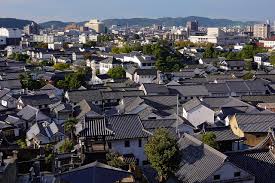
Matsue is not an artificial historical district built primarily for tourism. It remains a functioning regional capital where residents live, work, study, shop, and commute around structures and waterways that have shaped the city for centuries.
That makes the experience feel less like walking through a preserved display and more like entering a place where history still influences everyday life.
Matsue is also manageable. Its main historical attractions are concentrated around the castle area, while buses connect Matsue Station with the city center and other popular locations.
Begin With Matsue Castle
Matsue Castle should be the centerpiece of a first visit.
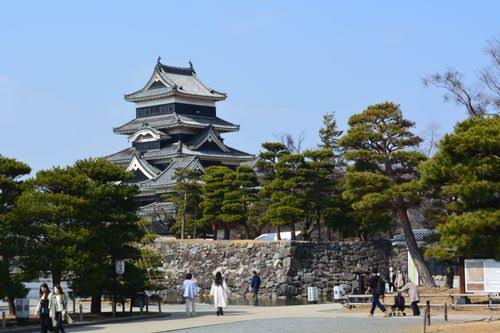
Completed in 1611, the castle is one of only 12 original Japanese castle keeps still standing. It is also one of only five castle keeps designated as a National Treasure. Unlike reconstructed castles built with modern concrete, Matsue Castle preserves original wooden architectural elements that allow visitors to see how a major defensive structure was designed during Japan’s feudal period.
The castle’s dark exterior has helped give it the nickname “Plover Castle.” Its appearance is more imposing than decorative, with thick wooden beams, defensive openings, steep staircases, and an elevated position overlooking the city.
Inside, visitors climb through several floors containing historical displays and examples of the castle’s construction. The stairways can be steep, so travelers with mobility concerns should review accessibility information before visiting.
The reward at the top is a broad view across Matsue, including the castle grounds, surrounding neighborhoods, and Lake Shinji in the distance. The Japan National Tourism Organization describes the keep as the region’s only intact original castle and highlights the panoramic view from its upper level.
The surrounding Jozan Park is free to enter and offers pleasant walking paths beneath the castle’s stone walls and around its wooded grounds.
Explore the Castle Moat by Boat
One of the best ways to understand Matsue is from the water.
The Horikawa Sightseeing Boat travels through the canals and moats surrounding Matsue Castle. The approximately 50-minute route passes stone walls, historic neighborhoods, wooded areas, and places connected to writer Lafcadio Hearn.
These small boats sit low in the water and pass beneath several bridges. Depending on the bridge height, passengers may need to lower their heads as part of the boat’s roof moves downward.
The experience is part transportation, part history lesson, and part quiet sightseeing tour.
A single ticket generally allows passengers to use multiple boarding points throughout the day, making it possible to combine the cruise with stops around the castle district. Travelers should confirm the current ticket conditions before visiting.
The boat ride is particularly appealing when the weather is mild. Cherry blossoms, summer greenery, autumn leaves, and occasional winter scenery each give the route a different atmosphere.
Walk Through Matsue’s Samurai History
The streets north of Matsue Castle preserve some of the city’s strongest connections to its feudal past.
Visitors can explore former samurai residences, museums, old walls, and traditional buildings that help explain how the castle town operated. The area is easy to walk and pairs naturally with a visit to the castle.
The Matsue History Museum is designed in the style of a samurai residence and presents more than 400 years of the city’s history and culture. It also includes a café where visitors can enjoy traditional Japanese confectionery.
This is an excellent place to pause rather than treat the museum as another item to complete quickly. Matsue has a strong tea and wagashi culture, and enjoying a carefully prepared sweet with tea offers a small but meaningful connection to that tradition.
The city’s tea culture is associated with Matsudaira Harusato, also known as Lord Fumai, a former feudal lord and influential tea practitioner. His legacy helped establish Matsue as an important center for Japanese tea.
Discover the Story of Lafcadio Hearn
Matsue is closely connected to Lafcadio Hearn, the writer who later became known in Japan as Koizumi Yakumo.
Hearn lived in Matsue during the late 19th century and became one of the most influential early interpreters of Japanese culture for Western readers. His writings explored folklore, supernatural stories, daily life, religion, and the cultural changes taking place during Japan’s modernization.
Visitors can see the Lafcadio Hearn Memorial Museum and his former residence near Matsue Castle.
His presence is important because Matsue is not merely a place where he happened to live. The city’s atmosphere, stories, shrines, landscapes, and people influenced his understanding of Japan.
Travelers interested in literature, cultural exchange, mythology, or Japanese ghost stories may find this part of Matsue especially rewarding.
Watch the Sunset Over Lake Shinji
A Matsue itinerary should leave room for sunset.
Lake Shinji is a brackish lake containing a mixture of salt and fresh water. It is known throughout Japan for its scenery, particularly when the setting sun reflects across the water.
The lakeside area provides several places to stop and watch the sky change. On a clear evening, the sun descends toward the distant shoreline while small islands, boats, and the lake surface form silhouettes against the orange and red light.
The experience is simple, free, and easy to underestimate.
Many travel itineraries are crowded with paid attractions, reservations, and scheduled transportation. Sitting beside Lake Shinji creates a different kind of memory because nothing is required beyond arriving before sunset and allowing enough time to stay.
Matsue’s official tourism site even provides a sunset index to help visitors evaluate viewing conditions.
Cloud cover can change quickly, so a perfect sunset is never guaranteed. Even on less dramatic evenings, however, the lakeside remains one of the city’s most relaxing areas.
Experience Matsue’s Tea and Sweet Culture
Japanese tea culture is often associated with Kyoto, but Matsue has its own deeply established traditions.
The city is known for matcha and wagashi, the carefully designed Japanese sweets commonly served with tea. These sweets may reflect seasonal flowers, plants, weather, festivals, or regional symbols.
A traditional tea experience does not require visitors to understand every ceremony rule. Many cafés and cultural facilities welcome beginners and provide a relaxed introduction.
The sweetness of wagashi is deliberately balanced by the bitterness of matcha. Taking time to notice the presentation, texture, seasonal design, and serving utensils turns a small refreshment into a cultural experience.
This is one of the reasons Matsue works well as an educational travel destination. The city allows visitors to learn through architecture, food, literature, crafts, and landscapes rather than through museums alone.
What to Eat in Matsue
Matsue’s location between lakes, rivers, mountains, and the Sea of Japan gives the region a varied food culture.
Lake Shinji is traditionally associated with seven notable ingredients known collectively as the Shinjiko Shicchin. These include local seafood and freshwater products that have historically supported the region’s cuisine.
Shijimi clams are among the best-known local foods. They are commonly served in miso soup and are valued for their rich flavor.
Travelers should also look for Izumo soba, a regional buckwheat noodle style usually darker and more aromatic than many lighter soba varieties. One common presentation is warigo soba, served in stacked round containers with toppings and sauce.
Other regional options include fresh seafood, wagashi, matcha, local sake, and dishes influenced by nearby Izumo.
Rather than searching only for a famous restaurant, travelers may have a better experience choosing a small local restaurant that specializes in one regional dish.
Use Matsue as a Base for Izumo Taisha
Matsue is well positioned for a day trip to Izumo Taisha, one of Japan’s most important Shinto shrines.
The shrine is associated with Ōkuninushi, a deity connected to nation-building, relationships, and en-musubi—the tying together of meaningful connections. This idea is often interpreted romantically, but it can also include friendships, work relationships, community ties, and other important bonds.
Izumo Taisha is one of Shimane Prefecture’s essential destinations and provides a powerful contrast to Matsue’s castle-centered history.
Travelers can reach the Izumo area by regional train services. Planning should account for transfer times, train frequency, and the distance between stations and individual attractions.
A visit to Izumo Taisha can take most of a day when combined with the surrounding town, museums, coastline, or nearby cultural sites.
Consider a Trip to the Adachi Museum of Art
Another strong excursion from Matsue is the Adachi Museum of Art.
The museum is especially known for its carefully maintained Japanese gardens, which are designed to be viewed like living paintings through large windows. It also holds a substantial collection of modern Japanese art.
The gardens cannot generally be entered in the same way as a public landscape garden. Instead, visitors observe them from selected viewpoints inside the museum.
This controlled perspective is part of the design. Stones, trees, grass, water, and distant mountains are arranged to create balanced compositions that change with the weather and seasons.
The museum is located near Yasugi rather than central Matsue, so visitors should confirm transportation options and shuttle schedules in advance.
How Many Days Should You Spend in Matsue?
Two days is a practical minimum for first-time visitors.
During the first day, travelers can explore Matsue Castle, the surrounding historical district, the Horikawa boat route, and Lake Shinji at sunset.
The second day can include museums, tea experiences, local neighborhoods, and a more relaxed exploration of the city.
A third day creates room for Izumo Taisha, the Adachi Museum of Art, Tamatsukuri Onsen, or another nearby destination.
Travelers moving too quickly may technically see the main attractions but miss what makes Matsue appealing. This is a city that rewards pauses.
A Suggested Two-Day Matsue Itinerary
Day One: Castle History and the City of Water
Begin at Matsue Castle before the largest groups arrive. Explore the original wooden keep and take in the city view from the upper floor.
Walk through the surrounding castle grounds and continue toward the samurai district. Visit the Lafcadio Hearn Memorial Museum or Matsue History Museum before stopping for matcha and wagashi.
In the afternoon, take the Horikawa sightseeing boat around the castle moat.
Finish the day near Lake Shinji. Arrive well before the expected sunset so you have time to choose a viewing location and watch the colors develop gradually.
Day Two: Local Culture and a Regional Excursion
Begin with a relaxed breakfast and visit any central Matsue attractions missed on the first day.
Spend the remainder of the day at Izumo Taisha, the Adachi Museum of Art, or Tamatsukuri Onsen.
Return to central Matsue for a dinner featuring Izumo soba, local seafood, or shijimi clam soup.
Travelers staying a third night can explore more slowly or combine multiple nearby destinations without rushing.
Getting to Matsue
Matsue is located in northern Shimane Prefecture in western Japan.
From Tokyo, one rail option is to take the Tokaido and Sanyo Shinkansen to Okayama and transfer to a limited express service traveling north toward Matsue. The total journey can take around six hours, depending on the connection.
Domestic flights to nearby airports may be more practical for travelers beginning in Tokyo or another distant region.
From Osaka, Kyoto, Hiroshima, or Okayama, available options may include trains, highway buses, flights, or rental cars depending on the itinerary.
Travelers should compare the total journey rather than looking only at travel time. Transfers, airport transportation, baggage, ticket prices, and departure frequency can significantly change which option is most convenient.
Getting Around Matsue
Central Matsue can be explored using a combination of walking, local buses, trains, and sightseeing transportation.
The Lakeline sightseeing bus connects Matsue Station with several major attractions. The full sightseeing loop takes approximately 70 minutes, and buses generally operate at regular intervals, although visitors should confirm the current schedule.
Walking works well around the castle area, but distances between the station, castle, lake, and other attractions can add up.
A rental car is not essential for the city center. It may become useful for travelers planning to explore rural Shimane, coastal areas, or locations with limited public transportation.
The Best Time to Visit Matsue
Matsue can be visited throughout the year, but each season creates a different experience.
Spring brings cherry blossoms around the castle and generally comfortable walking weather.
Summer offers greenery, festivals, and long evenings, although heat and humidity can make midday sightseeing tiring.
Autumn adds colorful foliage and cooler temperatures.
Winter can be atmospheric, especially when snow settles around the castle and historic streets. Travelers should be prepared for cold temperatures, rain, possible snow, and transportation disruptions.
The Sea of Japan side of the country can receive more unpredictable weather than some travelers expect. A compact umbrella, comfortable shoes, and flexible plans are useful in most seasons.
Practical Travel Tips
Stay at least two nights so that Matsue does not become a rushed stop between larger cities.
Check the sunset time and weather before planning your Lake Shinji visit.
Wear shoes that are easy to remove because some traditional buildings and castle interiors may require visitors to take them off.
Prepare for steep wooden stairs inside Matsue Castle.
Confirm opening days because museums and cultural facilities may close on different weekdays.
Carry some cash, particularly when visiting smaller restaurants, shops, and regional attractions.
Leave space in the itinerary for tea, local sweets, and waterfront walks.
Treat Izumo Taisha and the Adachi Museum of Art as substantial excursions rather than quick side trips.
Why Matsue Works for Educational Travel
Matsue allows travelers to connect several academic subjects within one destination.
The castle and samurai district support the study of Japanese history and political organization. Lafcadio Hearn’s legacy introduces questions about literature, translation, cultural interpretation, and identity.
Lake Shinji provides opportunities to explore geography, ecosystems, fishing traditions, and the relationship between cities and waterways.
Tea, wagashi, regional cuisine, shrines, and local crafts demonstrate how cultural knowledge is passed from one generation to another.
For families, students, and educators, Matsue provides something more meaningful than a collection of photo locations. It shows how history, environment, belief, art, and everyday life can continue shaping a modern city.
Frequently Asked Questions
Where is Matsue located?
Matsue is the capital of Shimane Prefecture. It is located in the Chugoku region of western Japan, between Lake Shinji and Lake Nakaumi.
Is Matsue worth visiting?
Yes. Matsue is particularly worthwhile for travelers interested in castles, Japanese history, quiet neighborhoods, traditional culture, waterways, regional food, and destinations with fewer crowds.
What is Matsue best known for?
The city is best known for Matsue Castle, its canals, Lake Shinji sunsets, tea culture, samurai history, and its association with writer Lafcadio Hearn.
Is Matsue Castle an original castle?
Yes. Matsue Castle is one of only 12 surviving original castle keeps in Japan. It was completed in 1611 and designated a National Treasure in 2015.
How long should I stay in Matsue?
Two full days are enough for the principal attractions. Three days are better for travelers who also want to visit Izumo Taisha, the Adachi Museum of Art, or a nearby onsen.
Can I visit Matsue without a car?
Yes. Central Matsue can be explored using trains, buses, walking, and sightseeing boats. A car becomes more useful when visiting rural or less-connected areas of Shimane.
Is Matsue crowded?
Matsue generally receives fewer international visitors than Tokyo, Kyoto, or Osaka. Major attractions can still become busy during holidays, festivals, and cherry blossom season.
Final Thoughts
Matsue is the kind of city that can quietly become one of the most memorable stops in Japan.
It does not compete with Tokyo through size or with Kyoto through the sheer number of internationally famous landmarks. Instead, it offers a more focused experience built around water, history, literature, tea, and the changing light over Lake Shinji.
Visitors can walk through an original castle in the morning, pass through samurai-era neighborhoods before lunch, cruise beneath low bridges in the afternoon, and watch the sun disappear over the lake in the evening.
That balance is Matsue’s greatest strength.
For travelers willing to move beyond Japan’s busiest route, the City of Water offers something increasingly valuable: enough history to inspire curiosity, enough beauty to reward exploration, and enough calm to let the journey breathe.
Related Articles
Japan Travel 2026: Smarter Ways to See More Than Tokyo and Kyoto
Japan Shinkansen Guide 2026: How to Book Smart, Pack Right, and Avoid Overpaying
Sources
Visit Matsue — Official Matsue City Travel Guide
About Matsue — Official Matsue City Travel Guide
Matsue Castle — Official Matsue City Travel Guide
Matsue Castle — Japan National Tourism Organization
Matsue Castle — Shimane Official Travel Guide
Lake Shinji — Official Matsue City Travel Guide
Horikawa Sightseeing Boat — Shimane Official Travel Guide
Matsue Lakeline Sightseeing Bus — Shimane Official Travel Guide