





Editorial Note
This article is intended for educational and informational purposes only. It discusses leadership lessons drawn from historical figures, public records, speeches, biographies, and leadership principles. Leadership examples should be understood in context, and no leader should be treated as perfect or beyond criticism. Readers should use these lessons as reflective guidance for personal, educational, and professional growth.
Leadership is often misunderstood.
Many people think leadership means having authority, giving orders, being the loudest person in the room, or always knowing what to do. But history shows something deeper. Great leaders are not remembered only because they held titles. They are remembered because they made difficult decisions, served a purpose larger than themselves, listened to people, carried responsibility, and helped others move forward.
From Martin Luther King Jr. to Nelson Mandela, Abraham Lincoln, Dwight Eisenhower, and Eleanor Roosevelt, the strongest leadership lessons are not only about power. They are about courage, humility, service, communication, and moral responsibility.
For students, educators, professionals, entrepreneurs, and community leaders, these lessons still matter. Leadership is not limited to presidents, activists, executives, or military commanders. Leadership can happen in a classroom, a workplace, a family, a small business, a nonprofit, or a local community. The real question is not whether someone has a title. The real question is whether they use their influence responsibly.
Great Leaders Have Courage Before They Have Comfort
One of the clearest leadership lessons from history is that courage often comes before comfort.
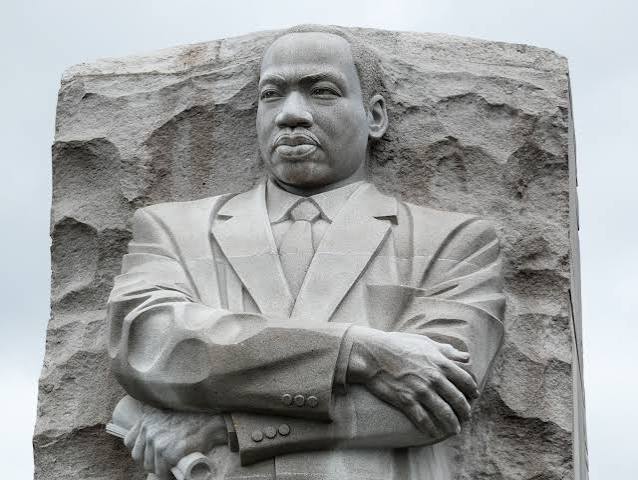
Martin Luther King Jr. showed this through his leadership during the American civil rights movement. His speeches and writings were not only powerful because they were inspiring. They were powerful because they called people to act with moral courage in the face of injustice, pressure, danger, and resistance.
Courage in leadership does not always mean dramatic public action. Sometimes it means telling the truth when silence would be easier. Sometimes it means protecting someone who is being treated unfairly. Sometimes it means making a decision that is right even when it is unpopular.
In schools, courage may look like advocating for a struggling student. In business, it may mean admitting that a strategy is not working. In a team, it may mean addressing a problem directly instead of allowing it to grow quietly.
Great leaders do not wait until courage feels easy. They act because the situation requires responsibility.
Humility Makes Leadership Stronger, Not Weaker
Nelson Mandela’s leadership is often remembered for resilience, forgiveness, and the ability to guide a nation through one of the most difficult transitions in modern history. One of the most important lessons from Mandela’s life is that humility can be a source of strength.
Humility does not mean weakness. It does not mean a leader has no confidence. It means a leader understands that the mission is bigger than their ego.
Humble leaders are willing to listen. They do not need to receive all the credit. They recognize the value of other people’s experiences. They understand that leadership is not about looking important. It is about helping the work move forward.
This matters in education and business because ego can quietly damage teams. A leader who cannot listen may miss important information. A leader who needs to be right all the time may discourage honest feedback. A leader who only wants praise may create a culture where people hide problems.
Humility helps leaders stay close to reality. It keeps them teachable.
Strong Leaders Listen Before They Decide
Abraham Lincoln is often studied not only for his decisions, but for how he built leadership around disagreement, patience, and careful judgment. He led during one of the most divided periods in American history, and part of his strength came from his ability to hear different perspectives while still carrying the burden of final decision-making.
Listening is one of the most underrated leadership skills.
Some people confuse listening with indecision. In reality, listening can make decisions stronger. A leader who listens well gathers more information, understands different concerns, and sees problems from more than one angle.
This is especially important in schools and organizations. Teachers often understand classroom realities that district leaders may not see. Employees often notice customer problems before executives do. Students and families may experience policies differently than administrators expect.
Leaders do not need to follow every suggestion. But they should create a culture where people believe their voice matters.
When people feel ignored, they often disengage. When people feel heard, they are more likely to contribute, improve, and take ownership.
Planning Matters, But People Matter More
Dwight Eisenhower is often associated with military strategy, planning, organization, and decision-making under pressure. His leadership during World War II and later as president shows that large goals require structure, coordination, and discipline.
However, planning alone is not leadership. A plan is only useful if people understand it, believe in it, and know their role in carrying it out.
This lesson is extremely practical. Many organizations fail not because they have no ideas, but because they do not communicate clearly. Leaders may announce a vision without explaining the steps. They may assign tasks without clarifying priorities. They may expect teamwork without building trust.
Good leaders make direction clear. They help people understand what matters most. They prepare for problems before they happen. They also understand that plans must adapt when reality changes.
In education, this might mean creating a school improvement plan that teachers actually understand and can use. In business, it might mean setting goals that are realistic, measurable, and connected to daily work. In personal leadership, it might mean having discipline without becoming rigid.
A leader should be organized enough to guide people, but flexible enough to respond when conditions change.
Service Is at the Heart of Real Leadership
Eleanor Roosevelt’s public life offers another important leadership lesson: leadership is deeply connected to service. She used her platform to advocate for human rights, public service, women, workers, and vulnerable communities. Her leadership was not only about holding influence. It was about using influence to expand opportunity and dignity for others.
This is one of the most important ideas for modern leaders to understand.
Leadership should not be reduced to personal success. A leader’s impact is measured by what happens to the people around them. Are people growing? Are they safer? Are they more confident? Are they more capable? Are they being treated with dignity?
Service-based leadership is especially important in education. Teachers, school leaders, tutors, coaches, and mentors are not simply delivering content. They are shaping confidence, opportunity, and future direction.
A leader who serves does not avoid authority. They simply use authority with care.
Great Leaders Communicate With Purpose
Great leaders are usually strong communicators, but that does not mean they are always flashy speakers. Communication is not only about sounding impressive. It is about making meaning clear.
Martin Luther King Jr. communicated moral urgency. Mandela communicated reconciliation and dignity. Lincoln communicated national purpose during crisis. Eisenhower communicated strategy and responsibility. Eleanor Roosevelt communicated service, rights, and public duty.
Their styles were different, but they all understood that words shape action.
Modern leaders need this lesson badly. In schools, businesses, and organizations, poor communication can create confusion, frustration, and distrust. People need to know what is happening, why it matters, and what role they play.
A leader’s words should not only inspire. They should clarify.
Leadership Requires Responsibility When Things Go Wrong
It is easy to lead when everything is going well. The harder test comes when something fails.
Great leaders do not spend all their energy blaming others. They ask what happened, what can be learned, and what must change. Responsibility does not mean pretending every mistake is personally your fault. It means refusing to disappear when people need direction.
This lesson matters for school leaders, business owners, coaches, and team managers. People watch how leaders respond to problems. If a leader becomes defensive, dishonest, or absent, trust breaks quickly. If a leader communicates clearly, accepts responsibility, and focuses on solutions, people are more likely to stay committed.
Leadership is not proven by perfection. It is proven by response.
The Best Leaders Build Other Leaders
One of the strongest signs of good leadership is whether other people become stronger because of it.
A weak leader needs everyone to depend on them. A strong leader develops people who can think, decide, create, and lead in their own way.
This is true in education, business, and family life. A teacher leads well when students become more confident learners. A principal leads well when teachers feel empowered and supported. A business owner leads well when team members grow into real responsibility. A coach leads well when athletes learn discipline that lasts beyond the season.
Leadership is not about being the only capable person in the room. It is about creating more capable people.
What Great Leaders Have in Common
The greatest leaders in history were different in background, personality, and context. Some led movements. Some led nations. Some led during war. Some led through advocacy and public service.
But they shared certain qualities.
They had courage when the situation demanded it. They understood that leadership was bigger than personal ego. They listened to people. They communicated clearly. They served something beyond themselves. They accepted responsibility when decisions were difficult. Most importantly, they helped others believe that change was possible.
That is the kind of leadership still needed today.
Not everyone will lead a nation or a movement. But everyone can practice leadership where they are. A student can lead through responsibility. A teacher can lead through example. A parent can lead through patience. A business owner can lead through service. A team member can lead by helping others succeed.
Leadership begins when people decide that their actions should make things better, not just easier for themselves.
Key Takeaways
Great leaders teach us that leadership is not only about power, authority, or personality. It is about courage, humility, service, communication, responsibility, and the ability to help others grow.
Martin Luther King Jr. reminds us that leadership requires moral courage. Nelson Mandela shows the strength of humility and reconciliation. Abraham Lincoln demonstrates the importance of listening and judgment. Dwight Eisenhower shows the value of planning, structure, and responsibility. Eleanor Roosevelt reminds us that leadership should be connected to service and human dignity.
For students, educators, professionals, and entrepreneurs, the lesson is clear: leadership is a practice. It is built through daily choices, not just major moments.
FAQ
What makes someone a great leader?
A great leader uses influence responsibly. Great leaders communicate clearly, listen well, make difficult decisions, serve others, and help people move toward a meaningful goal.
Is leadership only for people with official titles?
No. Leadership can happen without a formal title. Students, teachers, parents, employees, coaches, entrepreneurs, and community members can all show leadership through responsibility, service, and example.
Why is humility important in leadership?
Humility helps leaders listen, learn, and stay connected to reality. It prevents ego from becoming more important than the mission or the people being served.
What can students learn from great leaders?
Students can learn that leadership is not about being perfect or popular. It is about courage, responsibility, communication, service, and helping others succeed.
How can someone become a better leader?
A person can become a better leader by listening more carefully, taking responsibility, communicating clearly, learning from mistakes, serving others, and developing the people around them.
Related Articles
The Best Leaders Don’t Have All the Answers. They Ask the Right Questions
Why Humility Is a Leadership Superpower
Sources
National Park Service — Martin Luther King Jr. Memorial Quotations
Nelson Mandela Foundation — Selected Quotes
The White House — Abraham Lincoln
Dwight D. Eisenhower Presidential Library — Dwight D. Eisenhower Biography
National Park Service — Eleanor Roosevelt National Historic Site




