
If you are staying in Kyoto or Osaka, Nara is one of the easiest and most rewarding day trips in Japan. It has the big-name sights first-time visitors want, but it also feels slower and softer than central Kyoto or Osaka: temple roofs rising above trees, deer moving through the park, shaded walks, and a historic old-town area that still rewards wandering.
The mistake many travelers make is trying to treat Nara like a rapid-fire checklist. In practice, the best Nara day is a simple one: arrive early, walk a compact route, give yourself time at Todai-ji, and handle the deer respectfully instead of turning the park into a photo rush.
Here is the version of Nara I would recommend in 2026 if you want a day that feels calm, practical, and culturally respectful.
Why Nara Still Makes Sense for First-Time Visitors
Nara gives you something many Japan itineraries need: a day with less transit friction and more time actually being somewhere. From Kyoto or Osaka, the trip is straightforward, and once you arrive, many of the core sights are walkable from one another.
It is also a good fit for mixed travel groups. Families get open space and animals. History lovers get one of Japan’s most important Buddhist sites. First-time visitors get a place that feels iconic without being overly complicated to navigate.
The key choice is your arrival station. For most sightseeing-focused travelers, Kintetsu Nara Station is the better base because it is closer to Nara Park and the main temple-and-shrine area than JR Nara Station.
The Best One-Day Route
1. Start at Kintetsu Nara Station
Arrive in the morning and walk toward Nara Park before the middle of the day gets hotter and busier. You do not need a packed itinerary. You need a good sequence.
A smart order is:
- Nara Park
- Todai-ji
- Kasuga Taisha
- Lunch or tea break
- Naramachi in the afternoon
This route keeps the heaviest sightseeing earlier, when your energy is better and the light is nicer.
2. See the Deer, but Do It Properly
Nara’s deer are famous for a reason, but this is the part of the day where travelers most often behave badly.
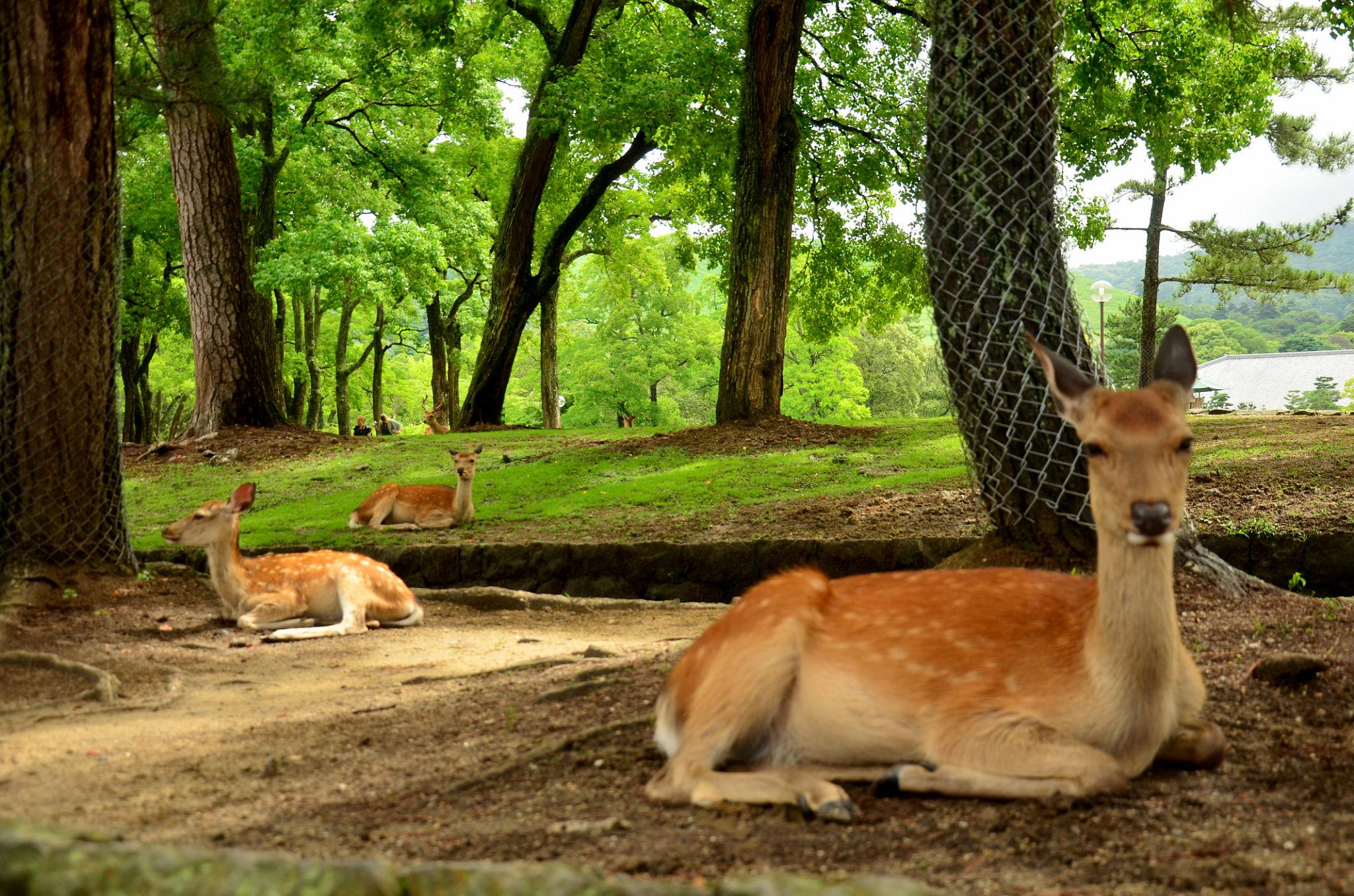
Official guidance from Nara Prefecture is clear: deer may bite, butt, tug clothing, or crowd you when food is visible. Do not wave food around, tease them, or show food unless you are ready to feed it immediately. Just as important for June 2026, both Todai-ji and Nara Prefecture warn visitors not to approach mother deer and fawns.
That seasonal detail matters. Early summer is not the time to chase “cute baby deer” photos. If you see a fawn resting, leave it alone. If a mother deer is nearby, keep your distance and move on.
The most respectful way to enjoy Nara Park is simple: walk slowly, feed only if you want to and feel comfortable, and remember the deer are not props.
3. Make Time for Todai-ji
Todai-ji is the anchor of the day. Even if you are not usually a temple person, the scale of the Great Buddha Hall makes an impression. As of June 20, 2026, the hall is open 7:30-17:30 in the April-October period, with admission set at 800 yen for adults and 400 yen for school-age children.
This is where an early start pays off. You get cooler air, softer crowds, and more space to appreciate the hall rather than shuffling through it.
If you are coming from the station area, Todai-ji is easy to reach on foot, and it is also well connected by local bus. Official access guidance puts it at about 20 minutes on foot from Kintetsu Nara Station.
4. Continue to Kasuga Taisha
After Todai-ji, head toward Kasuga Taisha, one of Nara’s most atmospheric places. The walk itself is part of the experience, especially if you like forested shrine approaches and stone lanterns.
Kasuga Taisha’s grounds open early, with official hours listed as 6:30-17:30 from March through October. That makes it a good second major stop, especially if you are trying to stay ahead of the busiest tour timing.
This part of Nara feels quieter than the temple zone around Todai-ji. If your morning has felt crowded, Kasuga is often where the day starts to breathe again.
5. Finish in Naramachi
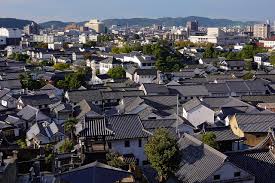
In the afternoon, shift away from “must-see” mode and head to Naramachi, the old merchant district. This is where Nara becomes more than a deer-and-temple day trip.
You will find preserved townscape, smaller shops, cafes, and a slower rhythm that works well after the major sights. It is also the right place to sit down properly rather than trying to eat while moving through the park.
If you still have energy, this is where browsing becomes the point. If you do not, Naramachi is also a pleasant place to end early and head back without feeling you missed the day.
Practical Timing: How Long You Really Need
For most travelers, 6 to 8 hours is the sweet spot. That gives you enough time to travel in, walk the main route, stop for lunch, and still have some unstructured time.
You do not need an overnight stay unless you specifically want a slower temple visit, an early-morning photography window, or deeper exploration around the city.
What to Watch in Late June and Summer
Nara is beautiful in early summer, but it is also humid, greener, and more tiring than many visitors expect. A few adjustments make a big difference:
- Start earlier than you think you need to.
- Carry water and do not assume you will always want to stand in a long vending-machine line near the busiest areas.
- Wear shoes you are comfortable walking in for several hours.
- Bring a compact umbrella or light rain layer. Late June can be unsettled.
- Avoid turning deer feeding into the center of your day. It is better as a brief part of the park experience.
If you travel this way, Nara feels less like a rushed side trip and more like one of the most balanced days you can add to a Kansai itinerary.
Practical Tips or Checklist
- Aim for Kintetsu Nara Station if your priority is easy access to the main sights.
- Start with Todai-ji in the morning.
- Keep a respectful distance from mother deer and fawns.
- Do not hold deer crackers out casually or keep them visible for too long.
- Budget for at least 6 hours door to door, more if coming from Osaka with a relaxed pace.
- Bring water, sun protection, and a small umbrella in late June.
- Use Naramachi as your flexible final stop instead of overloading the morning.
- Re-check official pages before travel for any same-day changes to hours or notices.
Sources
- Todai-ji official opening hours and admission: https://www.todaiji.or.jp/en/information/time/
- Todai-ji official access: https://www.todaiji.or.jp/en/information/access/
- Todai-ji official notice about mother deer and fawns, dated May 15, 2026: https://www.todaiji.or.jp/en/2026/05/15/attention-visitors-do-not-approach-mother-deer-and-fawns/
- Kasuga Taisha official visiting information: https://www.kasugataisha.or.jp/en/about_en/
- Nara Prefecture official Nara Park quick guide: https://www3.pref.nara.jp/park/
- Nara Prefecture official deer treatment guidance, updated February 27, 2026: https://www3.pref.nara.jp/park/item/2137.htm
- Kintetsu official Nara sightseeing information: https://www.kintetsu.co.jp/foreign/english/sightseeing/nara/
- Kintetsu Rail Pass official page: https://www.kintetsu.co.jp/foreign/english/ticket/krp/