Discover Kawagoe, Japan’s “Little Edo,” through its historic warehouse district, Bell of Time, traditional sweets, temples, shrines and one of the easiest cultural day trips from Tokyo.
Editorial Note
This guide is intended for educational and travel-planning purposes. Transportation schedules, attraction hours, admission prices, festival dates and access rules can change.
Travelers should confirm important information through official tourism, railway and attraction websites shortly before visiting. New To Education has not received compensation from Kawagoe City, local tourism organizations, transportation providers or any business mentioned in this guide.
Kawagoe offers one of the easiest ways to experience traditional Japanese architecture and regional history without traveling far from Tokyo.
Located in Saitama Prefecture, the city is commonly known as Koedo, meaning “Little Edo.” Its historic center preserves merchant storehouses, traditional streets, religious sites and cultural landmarks connected to the period when Edo modern Tokyo served as the center of the Tokugawa government.
Kawagoe is not a smaller version of Kyoto, nor should travelers approach it as one.
Its identity comes from its history as a castle and commercial town with close ties to Edo. Merchants moved goods between the two cities, while Kawagoe’s political and economic importance helped shape the community that visitors see today.
The city also contains architecture and streets associated with later periods of Japanese history, including the Meiji, Taisho and Showa eras. This layering of different periods gives Kawagoe a character that goes beyond its “Little Edo” nickname.
From Ikebukuro, the fastest scheduled Tobu Tojo Line services can reach Kawagoe in approximately 26 minutes. Other direct or nearly direct routes are available from Shinjuku, Shibuya, Omiya and additional parts of the Tokyo metropolitan region.
That accessibility makes Kawagoe especially useful for travelers who want to leave central Tokyo for a day without spending several hours in transit.
Why Kawagoe Is Called “Little Edo”
The Edo period lasted from 1603 until 1868, when the Tokugawa shogunate governed Japan from Edo.
Kawagoe developed into a prosperous castle and merchant town with close connections to the capital. Agricultural products and other goods moved through the region, while the city’s castle helped protect the northern approaches to Edo.
Those historical ties eventually produced the name Koedo.
The nickname does not mean that Kawagoe remains unchanged from the 17th century. Fires, modernization, redevelopment and changing patterns of commerce transformed the city over time.
What remains is a collection of preserved buildings, religious sites and cultural traditions that allow visitors to see how an important regional center developed across several eras.
The best-known part of Kawagoe is the historic warehouse district, but the city’s significance also appears in Kitain Temple, Kawagoe Castle’s surviving palace structure, Hikawa Shrine and the annual Kawagoe Festival.
Together, these places show that Kawagoe was more than a scenic merchant street. It was a religious, political and commercial center connected to the development of Edo-period Japan.
Begin in the Kurazukuri Warehouse District
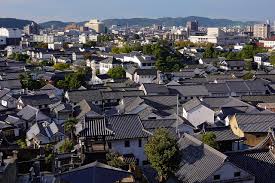
The Kurazukuri warehouse district is Kawagoe’s most recognizable area.
Kurazukuri refers to a traditional storehouse construction style known for thick clay walls and substantial fire-resistant design. In Kawagoe, many of the buildings lining the historic streets were constructed or rebuilt following a devastating fire in 1893.
The surviving streetscape is therefore not composed entirely of buildings from the height of the Edo period. It reflects the way merchants preserved traditional construction methods while rebuilding during the Meiji era.
This distinction does not make the district less historically valuable.
Instead, it demonstrates how Japanese cities adapted older building traditions to new circumstances.
Many of the former merchant buildings now contain restaurants, cafés, souvenir stores, confectioners and specialty shops. The commercial uses may have changed, but the architecture continues to communicate Kawagoe’s history as a prosperous trading community.
The district feels most rewarding when explored slowly.
Visitors should look beyond the storefront signs and pay attention to the heavy tiled roofs, dark facades, fire-resistant walls and variations among individual buildings.
The area is sometimes described as a living museum, but it is not a sealed historical site. Vehicles use parts of the main road, local businesses continue operating, and residents move through the neighborhood during their daily routines.
That active character makes Kawagoe feel more like a functioning city with preserved history than a recreated tourist attraction.
See the Bell of Time
Toki no Kane, commonly translated as the Bell of Time, is the symbol most closely associated with Kawagoe.
The wooden bell tower rises above the surrounding historic streets and has been used to mark time for local residents for generations.
The tradition dates back approximately four centuries, although the tower has been destroyed and rebuilt more than once. The current structure was rebuilt after the major fire of 1893.
The bell continues to ring several times each day. The Japan National Tourism Organization states that it rings four times daily, although travelers should avoid arranging a tight itinerary around a specific ringing time without checking locally.
Visitors cannot climb the tower like an observation deck.
Its appeal comes from seeing it within the surrounding urban landscape. The structure appears above narrow lanes, shop roofs and traditional buildings, making it feel integrated into Kawagoe rather than separated as a stand-alone monument.
The area around the tower becomes crowded on weekends, holidays and during major events. Travelers who want photographs with fewer people should arrive earlier in the morning.
Even then, visitors should remember that the nearby streets remain active public spaces. Avoid blocking entrances, pedestrian routes or traffic while taking pictures.
Walk Through Kashiya Yokocho
Kashiya Yokocho, often called Candy Alley, is a compact lane known for traditional Japanese confectionery and nostalgic snacks.
The area contains shops selling items such as rice crackers, hard candy, sweet-potato products and other treats associated with older neighborhood confectioners.
Different tourism sources report different numbers of operating shops, and the exact total may change as businesses open or close. The more important point is that the alley remains a recognizable food destination within Kawagoe’s historic center.
Candy Alley is smaller than some visitors expect.
It is not a large covered market or an all-day shopping district. Its appeal comes from its compact atmosphere and the opportunity to sample traditional snacks from independent businesses.
Kawagoe is particularly associated with sweet potatoes.
Visitors will find sweet-potato cakes, chips, ice cream, pastries, drinks and savory dishes throughout the sightseeing area. Some products are traditional, while others are modern creations designed for contemporary visitors.
Trying one or two specialties is part of the Kawagoe experience. However, it is easy to become full before lunch, so travelers may want to share snacks rather than buying a full serving at every stop.
The alley can become congested during busy periods. Visitors should avoid standing directly in front of shop entrances or stopping suddenly in narrow walking areas.
Visit Kitain Temple
Kitain is one of Kawagoe’s most historically important religious sites.
The temple is associated with Tenkai, an influential Buddhist priest who maintained close relationships with the early Tokugawa shoguns.
After a fire destroyed much of Kitain in 1638, Tokugawa Iemitsu ordered parts of Edo Castle to be moved to Kawagoe and incorporated into the rebuilt temple complex.
Those relocated rooms are especially significant because most of the original Edo Castle palace buildings no longer survive.
Kitain therefore offers a rare architectural connection to the residence used by the Tokugawa government in Edo.
The temple is also known for the Gohyaku Rakan, a large collection of stone statues representing disciples of the Buddha.
The statues were created over several decades and display different faces, poses and expressions. Visitors often spend time examining individual figures rather than viewing the collection as one uniform group.
Some statues appear serious, while others seem cheerful, thoughtful or conversational.
Kitain provides a different experience from Kawagoe’s main shopping streets.
The warehouse district emphasizes commerce and urban history. Kitain introduces religion, political power and the Tokugawa government’s influence on the city.
Travelers interested in history should consider Kitain an essential stop rather than an optional addition.
The temple sits outside the central warehouse street, so visitors should plan for additional walking or use local transportation. Admission policies may differ between the general grounds and specific interior areas.
Explore Kawagoe Hikawa Shrine
Kawagoe Hikawa Shrine is one of the city’s most popular Shinto sites.
The shrine has a long history and is strongly associated with relationships, marriage and family harmony. Visitors commonly pray for meaningful connections, purchase protective charms or participate in seasonal traditions.
A large wooden torii gate marks one of the approaches to the shrine. Official and national tourism sources describe the gate as approximately 15 meters high.
The shrine is especially well known for its summer wind-chime displays.
Rows of colorful glass wind chimes can create a beautiful seasonal atmosphere, but the event schedule and installation dates may change from year to year. Travelers visiting specifically for the display should check the shrine’s current announcements before making the trip.
The shrine can become extremely busy during summer events, weekends, holidays and the New Year period.
People often visit for ceremonies, prayers and major life events, so tourists should treat the grounds as an active religious space rather than only as a photography location.
Visitors should keep their voices moderate, follow posted photography restrictions and avoid interrupting ceremonies.
Hikawa Shrine is located some distance from the railway stations. It can be combined with Kawagoe Castle’s Honmaru Palace because the two sites are in the same general part of the city.
Learn About Kawagoe Castle at Honmaru Palace
Kawagoe was once an important castle town.
Most of Kawagoe Castle has disappeared, but part of the Honmaru Palace survives. The remaining structure was built in 1848 and represents the residential and administrative area at the center of the castle complex.
National tourism materials describe it as the only surviving palace building from Kawagoe Castle.
The building offers visitors a quieter and more architectural experience than the main shopping district.
Inside, travelers can see tatami rooms, corridors and traditional design associated with a feudal lord’s official residence.
The structure is relatively restrained compared with the grand castles that dominate many Japanese travel photographs. That simplicity is part of its value.
Honmaru Palace helps visitors understand that castles were not only defensive towers. They were also administrative centers where officials worked, received visitors and managed regional affairs.
Travelers interested primarily in food and shopping may choose to skip this stop during a short visit. Those interested in feudal history, architecture or political administration will likely find it worthwhile.
Because opening days, admission fees and access conditions can change, visitors should check current information before arriving.
Walk Along Taisho Roman Street
Kawagoe’s historical character extends beyond the Edo period.
Taisho Roman Yume-dori, generally called Taisho Roman Street in English, reflects the atmosphere associated with the Taisho era, which lasted from 1912 to 1926.
The architecture is different from the heavy warehouse buildings in the Kurazukuri district. Visitors may notice early modern storefronts, decorative facades and a more Western-influenced style.
The street has appeared as a setting in television programs and films because it can evoke early 20th-century Japan.
Walking between the warehouse district and Taisho Roman Street reveals how Kawagoe changed over time.
The city did not move directly from Edo-period architecture into the modern buildings of today. Different styles accumulated as businesses, transportation and social life developed.
This makes Kawagoe especially interesting for travelers who enjoy architecture.
Rather than preserving one single era, the central district contains traces of several periods within walking distance.
Experience the Kawagoe Festival
The Kawagoe Festival is the city’s most important annual celebration.
Its tradition extends back more than 370 years and is connected to Kawagoe Hikawa Shrine. The festival features elaborate floats, musicians, dancers and evening performances in the historic center.
One of the most distinctive traditions occurs when floats meet and face one another while groups of performers compete through music and dance.
The event is included within UNESCO’s recognition of Japan’s traditional float festivals.
The festival is generally held during the third weekend of October, but travelers should verify the official dates for the year of their visit rather than relying on a permanent calendar assumption.
Attending the festival can be memorable, but it produces a very different visit from an ordinary Kawagoe day trip.
Crowds become much larger, roads may be restricted, and movement through the historic district can be slow. Hotels and transportation services may also experience heavier demand.
Travelers visiting for the festival should treat the celebration as the main purpose of the day rather than expecting to complete a normal sightseeing itinerary at the same time.
Those visiting outside October can learn about the event at the Kawagoe Festival Museum, which displays festival floats and explains local traditions.
How to Reach Kawagoe From Tokyo
Kawagoe has several railway stations and can be reached through multiple routes.
From Ikebukuro, the fastest Tobu Tojo Line Kawagoe Limited Express services can reach Kawagoe Station in approximately 26 minutes.
From Seibu-Shinjuku Station, the Seibu Shinjuku Line’s limited-express service can reach Hon-Kawagoe Station in as little as approximately 44 minutes.
From Shinjuku Station, JR services can reach Kawagoe Station in approximately 50 minutes.
From Shibuya, services using the Tokyo Metro Fukutoshin Line and connecting routes can take approximately 45 minutes.
From Omiya, the JR Kawagoe Line takes approximately 20 minutes to Kawagoe Station.
These are approximate scheduled travel times. Actual trips can take longer because of transfers, service patterns, crowding or delays.
The best route depends on where the traveler is staying.
Visitors based near Ikebukuro may find the Tobu Tojo Line most convenient. Those staying near Shinjuku may prefer either JR service to Kawagoe Station or the Seibu line to Hon-Kawagoe Station.
Hon-Kawagoe Station is generally closer to the main sightseeing district than Kawagoe Station, but travelers should consider the full journey from their accommodation rather than choosing a station based only on its distance from the historic center.
Getting From the Station to the Historic District
The main railway stations are not directly inside the warehouse district.
JNTO’s suggested itinerary estimates that travelers can walk from Kawagoe Station to the historic area in approximately 25 minutes or take a bus to the Nakamachi area in about 10 minutes.
Walking allows visitors to see the transition from modern commercial Kawagoe into the older district.
However, the walk may be tiring during summer heat, heavy rain or crowded weekends. Visitors traveling with young children, older relatives or people with limited mobility may prefer a local bus or taxi.
Kawagoe also has sightseeing-oriented buses that connect major attractions.
Routes, stops and schedules can change, so travelers should check at the station information center or use current transportation information on the day of travel.
A practical approach is to take a bus from the station to the farthest attraction and then walk back through the central district.
For example, visitors may begin near Hikawa Shrine or Honmaru Palace, continue toward the warehouse district and finish closer to Hon-Kawagoe Station.
A Practical One-Day Kawagoe Itinerary
Begin by arriving in Kawagoe during the morning.
Travel first to the warehouse district and explore Kurazukuri Street before the largest crowds arrive. Walk around Toki no Kane and then continue to Kashiya Yokocho for a traditional snack.
Spend late morning visiting the Kawagoe Festival Museum or browsing the historic shops.
Have lunch in the central district. Kawagoe offers sweet-potato dishes, eel, soba, Japanese set meals, cafés and modern restaurant options.
After lunch, travel toward Hikawa Shrine and Honmaru Palace. These attractions can be grouped together because they are in the same general area.
Finish the afternoon at Kitain Temple before returning toward one of the railway stations.
This route includes a considerable amount of walking.
Travelers interested in a more relaxed day should choose two major historical sites rather than trying to visit every attraction.
A food-focused itinerary might emphasize the warehouse district, Candy Alley, Taisho Roman Street and local cafés.
A history-focused itinerary should prioritize Kitain, Honmaru Palace and the Festival Museum.
A photography-focused itinerary may work best with an early arrival, more time around the warehouse streets and a seasonal visit to Hikawa Shrine.
Can You See Kawagoe in Half a Day?
A half-day visit is possible.
Travelers with limited time can explore the Kurazukuri district, see the Bell of Time, walk through Candy Alley and have lunch before returning to Tokyo.
That itinerary provides a good introduction to Kawagoe, but it leaves little time for Kitain, Hikawa Shrine or Honmaru Palace.
A full day is better for visitors who want to understand the city’s history rather than only photographing its most recognizable streets.
JNTO recommends approximately one day for its Kawagoe itinerary, which reflects the number of sites spread across the central area.
Staying overnight is not necessary for most first-time visitors.
However, an overnight stay may appeal to photographers, festival visitors or travelers who want to experience the old district after many day-trippers have left.
The Best Time to Visit Kawagoe
Kawagoe can be visited throughout the year.
Spring generally offers comfortable walking weather and seasonal flowers. Summer brings heat and humidity but also seasonal shrine events, including the well-known wind-chime displays when scheduled.
Autumn offers cooler weather and the Kawagoe Festival. Winter can be cold, but the streets may be quieter outside the New Year holiday period.
Weekdays are often easier for relaxed sightseeing.
Weekends bring more visitors, and the historic district’s narrow pedestrian areas can become crowded. Some businesses may also be more active on weekends, so the quieter weekday experience can involve trade-offs.
Summer visitors should start early, carry water and schedule indoor breaks. Much of the sightseeing requires walking outdoors, and shade may be limited along parts of the route.
Visitors attending the October festival should expect crowds rather than a peaceful historic-town experience.
The best season depends on whether the traveler values comfortable weather, seasonal events, photography or quieter streets.
What to Eat in Kawagoe
Sweet potatoes are Kawagoe’s most recognizable food specialty.
Visitors may encounter sweet-potato soft-serve ice cream, cakes, chips, pastries, drinks and other products throughout the sightseeing district.
Not every item is a centuries-old traditional recipe. Some are newer products created around Kawagoe’s food identity.
The city is also known for eel restaurants, Japanese confectionery, soba and other regional meals.
Travelers should avoid building an itinerary around one exact restaurant unless they have confirmed its current hours and reservation policy. Popular restaurants can have long waits, while some smaller businesses close earlier than expected.
A flexible food plan works well in Kawagoe.
Choose one main lunch, try a small sweet-potato snack and leave room for a traditional confection or drink later in the day.
Visitors with allergies or dietary restrictions should not assume that a sweet-potato product contains only sweet potato. Pastries, sauces and snacks may include dairy, eggs, wheat, soy or other ingredients.
Kawagoe or Kamakura?
Kawagoe and Kamakura are both popular cultural day trips from Tokyo, but they provide different experiences.
Kamakura is known for major Buddhist temples, coastal scenery, hiking paths, shrines and the Great Buddha. It combines religious history with beaches and natural landscapes.
Kawagoe emphasizes merchant architecture, castle-town history, traditional shopping streets, sweets and the relationship between a regional city and Edo.
Kamakura’s major attractions are spread across several railway stations and neighborhoods. Kawagoe’s main urban attractions are comparatively concentrated, although visitors still need to travel between the stations, Kitain, Hikawa Shrine and Honmaru Palace.
Travelers seeking ocean views, hiking and large temple complexes may prefer Kamakura.
Those interested in warehouse architecture, traditional streets and Edo-period commercial history may prefer Kawagoe.
Visiting one does not make the other unnecessary. They represent different parts of Japanese history and regional identity.
Who Will Enjoy Kawagoe Most?
Kawagoe is especially suitable for travelers interested in history, traditional architecture, Japanese food and accessible trips from Tokyo.
It works well for solo travelers, couples, families and mixed-age groups because the itinerary can be shortened or expanded.
Photographers will find traditional facades, narrow lanes, temple grounds, shrine decorations and early modern streets.
Families may enjoy Candy Alley and the snack shops, although younger children may become tired during a full historical itinerary.
Travelers looking for nightlife, theme parks or constant entertainment may find Kawagoe quiet.
That is part of the destination’s appeal.
Kawagoe rewards visitors who are comfortable walking slowly, looking at architectural details and allowing time for small discoveries between formal attractions.
How to Visit Kawagoe Respectfully
Kawagoe’s historic district is part of a functioning city.
Visitors should avoid standing in roadways, blocking shop entrances or entering private property to take photographs.
Parts of the warehouse district carry regular vehicle traffic. Travelers should remain aware of cars and buses, especially when crossing streets or stepping backward for pictures.
Food should be eaten where permitted. Some businesses and religious sites discourage walking while eating or bringing food onto the grounds.
At temples and shrines, visitors should follow posted rules, speak quietly and avoid photographing ceremonies or restricted areas without permission.
Travelers should also avoid treating people wearing kimono or participating in religious activities as tourist props.
Supporting local shops can help preserve the commercial life that keeps the historic district active. Respectful behavior helps ensure that tourism does not damage the atmosphere visitors came to experience.
Key Takeaways
Kawagoe is a historic city in Saitama Prefecture known as “Little Edo” because of its connections to Edo-period commerce, government and culture.
The city can be reached from Ikebukuro in as little as approximately 26 minutes on the fastest scheduled Tobu Tojo Line services.
Its major attractions include the Kurazukuri warehouse district, Toki no Kane, Kashiya Yokocho, Kitain Temple, Kawagoe Hikawa Shrine and the surviving Honmaru Palace of Kawagoe Castle.
A half-day visit can cover the main warehouse district, but a full day provides enough time to explore the city’s religious, political and commercial history.
The railway stations are separated from the main historic area, so visitors should plan for walking, local buses or a combination of both.
Kawagoe is particularly suitable for travelers seeking history, architecture, traditional food and an easy cultural trip from Tokyo.
Frequently Asked Questions
Where is Kawagoe?
Kawagoe is located in Saitama Prefecture, northwest of central Tokyo.
Why is Kawagoe called Little Edo?
Kawagoe developed as an important castle and commercial town with close political and economic connections to Edo during the Tokugawa period.
How long does it take to reach Kawagoe from Tokyo?
The journey can take approximately 26 to 60 minutes, depending on the departure station, route, train type and transfers.
Which station is best for Kawagoe sightseeing?
Hon-Kawagoe Station is comparatively close to the historic district. Kawagoe Station and Kawagoeshi Station are also practical, depending on the traveler’s route from Tokyo.
Is Kawagoe walkable?
Yes, but the stations and major attractions are spread across a fairly large area. Visitors may want to combine walking with local buses.
Can Kawagoe be visited in half a day?
Yes. A half-day is enough for the warehouse district, Bell of Time and Candy Alley. A full day is better for including Kitain, Hikawa Shrine and Honmaru Palace.
Is Kawagoe suitable for children?
Yes. Families may enjoy Candy Alley, traditional snacks and the historic streets. A long itinerary involving several temples and museums may be tiring for younger children.
When is the Kawagoe Festival?
The festival is generally held during the third weekend of October. Visitors should confirm the official dates for the year they plan to attend.
Is Kawagoe worth visiting after Kyoto?
Yes. Kawagoe’s history and architecture are connected to its role as a merchant and castle town near Edo. It offers a different experience from Kyoto.
Is one day enough for Kawagoe?
Yes. One full day is enough for most first-time visitors to see the major attractions without staying overnight.
Final Thoughts
Kawagoe proves that travelers do not need to cross Japan to find a meaningful historical experience outside Tokyo.
A relatively short railway journey leads to clay-walled storehouses, traditional confectioners, religious sites and surviving traces of a regional castle town.
The city’s attractions are not as monumental as Kyoto’s temples or as dramatic as Nikko’s mountain setting.
Kawagoe’s appeal is quieter.
It comes from seeing several periods of Japanese history within a living community.
The warehouse district reveals the city’s commercial past. Kitain demonstrates its connections to the Tokugawa government. Honmaru Palace introduces its political history, while Hikawa Shrine continues to serve as an active center of religious and community life.
A successful Kawagoe trip does not require visiting every listed attraction.
Arrive early, choose the places that match your interests, try a local specialty and leave enough time to notice the streets between destinations.
For travelers seeking a manageable cultural escape from Tokyo, Kawagoe offers accessibility without feeling ordinary.
Support New To Education
New To Education publishes travel guides, cultural articles and educational resources designed to help readers better understand destinations before visiting.
Readers can support this work by sharing the guide, following New To Education, subscribing to updates and exploring additional Japan travel coverage.
Related Articles
Discover Kamakura: Japan’s Historic Coastal City Filled With Temples and Tradition
https://www.newtoeducation.com/view-blog/discover-kamakura-japans-historic-coastal-city-filled-with-temples-and-tradition-6a41e2de5781c
Japan Travel 2026: Smarter Ways to See More Than Tokyo and Kyoto
https://www.newtoeducation.com/view-blog/japan-travel-2026-smarter-ways-to-see-more-than-tokyo-and-kyoto-6a336fd320370
Sources
Koedo Kawagoe Tourism Association — Official English Tourism Guide
https://koedo.or.jp/en/
Koedo Kawagoe Tourism Association — Transportation and Access
https://koedo.or.jp/en/access/
Koedo Kawagoe Tourism Association — Attractions and Sightseeing Information
https://koedo.or.jp/en/spot/
Japan National Tourism Organization — Kawagoe Area Guide
https://www.japan.travel/en/destinations/kanto/saitama/kawagoe-area/
Japan National Tourism Organization — Koedo Kawagoe
https://www.japan.travel/en/spot/1526/
Japan National Tourism Organization — Kawagoe Edo-Period Day-Trip Itinerary
https://www.japan.travel/en/itineraries/kawagoe-an-edo-period-town-frozen-in-time/
Japan National Tourism Organization — Kawagoe Warehouse District
https://www.japan.travel/en/spot/1424/
Japan National Tourism Organization — Kawagoe Festival
https://www.japan.travel/en/spot/325/
Japan National Tourism Organization — Kawagoe Festival Experience
https://www.japan.travel/en/experiences-in-japan/3288/