
A lot of travelers hesitate when they see the words rainy season on a Japan itinerary. That reaction makes sense. Nobody imagines their Hakone photos with mist, umbrellas, and damp shoes.
But June in Hakone is not a travel mistake. It is just a different kind of trip.
If you plan for clear mountain views every hour, you may leave disappointed. If you plan for a flexible day with scenic transport, hot springs, good food, short walks, and a few smart backups, June can be one of the more relaxed times to go. The crowds can feel more manageable than peak foliage or cherry blossom periods, the greenery looks richer, and the weather naturally pushes you toward a slower pace that fits Hakone well.
First, understand what “rainy season” usually means
The official JNTO June guide makes an important point: rainy season does not mean nonstop downpours from morning to night. It means more frequent rain, higher humidity, and more days when flexibility matters.
That distinction helps. You do not need a storm-proof expedition plan. You need a travel day that still works if visibility drops, shoes get wet, or one scenic stop becomes a shorter visit.
JNTO also notes a bonus that many travelers forget: this season brings lush landscapes and hydrangea blooms. That is one reason June remains appealing for nearby destinations such as Kamakura, where hydrangeas are a major mid-June draw. Hakone is not marketed around hydrangeas in the same way, but the same damp-weather beauty shows up in its forests, hillsides, and lake views.
Why Hakone still works so well in June
Hakone is one of the best rainy-season day trips from Tokyo because the experience is not built around only one thing.
You are not going solely for a single observation deck or a single temple courtyard. Hakone works as a mix of transport, scenery, atmosphere, and breaks. A day can still feel successful even if Mount Fuji never appears.
That is especially true if you use the Hakone Freepass. According to Odakyu’s official page, the 2-day pass from Shinjuku costs 7,100 yen for adults and includes unlimited rides on eight types of transport, plus discounts at around 70 facilities. In rainy weather, that flexibility becomes more valuable than in perfect weather because it lets you change pace without rethinking every ticket.
In practice, the pass makes Hakone feel less fragile. If you decide to shorten a walk, stay longer indoors, or switch from one route to another, the day does not become an accounting exercise.
A rainy-season Hakone plan that is actually realistic
The biggest mistake in June is overloading the schedule.
A better plan is to pick three anchors and one backup.
A simple day might look like this:
- Travel from Shinjuku or Odawara into Hakone early enough to avoid compressing the day.
- Choose one scenic transport loop as the heart of the trip, such as the train-cable car-ropeway-cruise sequence.
- Add one indoor or semi-indoor stop, such as a museum, cafe, or long lunch.
- End with an onsen or a low-pressure shopping/walking area like Hakone-Yumoto.
That structure leaves room for weather instead of pretending weather does not exist.
The official Hakone area sites also show why live checks matter. On June 22, 2026, Hakone Navi showed normal operation and no waiting time in its update area, which is useful. But it also listed an important notice: the Owakudani Station restaurant remains closed for renovation through late July 2026. That is the kind of detail that will not ruin a trip, but it can affect where you plan to eat or how long you stay.
What to prioritize on a wet day
If your June forecast looks uncertain, prioritize experiences that still feel satisfying in light rain:
- Scenic transport with large windows
- Lake views, even if partially misty
- Short temple or shrine visits rather than long walking circuits
- Onsen time
- Museums or cafes with atmosphere
- One memorable meal instead of too many rushed stops
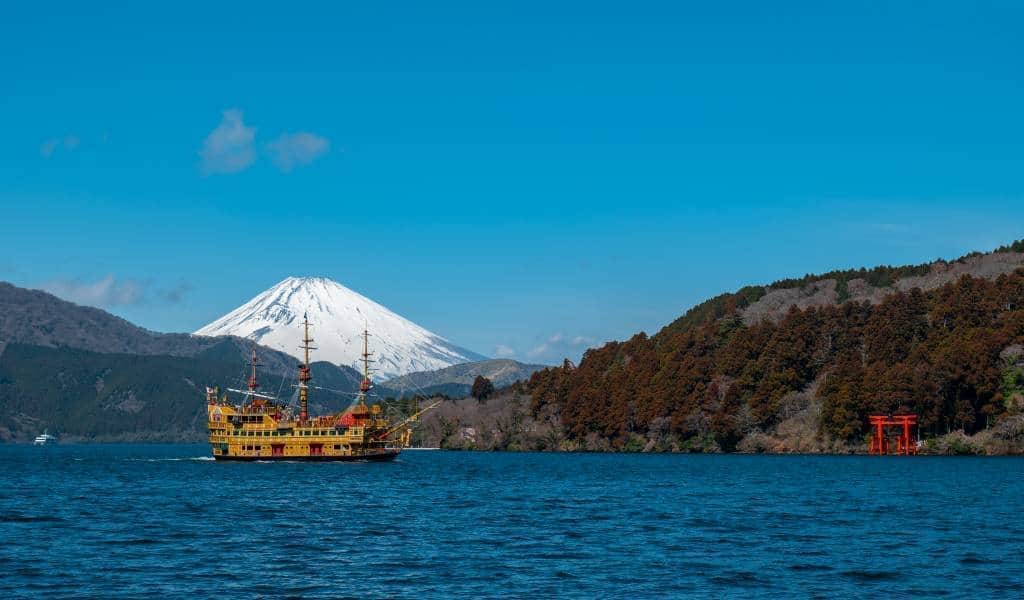
Hakone is particularly good for this because even its “transit” can feel like sightseeing. The train, ropeway, and sightseeing cruise are not just logistical links. They are part of the experience.
That means rain does not cancel the trip as easily as it would in a destination built mostly around outdoor walking.
What to pack and what to skip
In June, practical comfort beats aesthetic packing.
Bring:
- A compact umbrella
- Shoes with grip
- A light layer for changing mountain temperatures
- A small towel or handkerchief
- A phone battery pack
- A plastic pouch or dry bag for electronics and paper tickets
Skip:
- A tight outfit that assumes dry weather all day
- Overly ambitious footwear
- A schedule with no buffer
- A lunch plan that depends on one specific place being open
The best June Japan travelers usually do one thing very well: they lower the friction in the day.
Should you do Hakone or Kamakura in mid-June?
If your top priority is hydrangeas, JNTO’s June guide points more directly toward Kamakura, especially around mid-June.
If your priority is a broader day trip with transport fun, onsen possibilities, and a better mix of indoor and outdoor options, Hakone is usually stronger.
That is the real decision point. Do you want a flower-forward day or a flexible scenic retreat?
For many travelers, the best answer is not choosing the “perfect” June destination. It is choosing the one that matches your energy level. Hakone is ideal if you want your day to feel calm, structured, and adjustable.
The bottom line
Hakone in June is less about chasing flawless weather and more about traveling intelligently.
Use official transport updates. Keep the itinerary lighter than you think you need. Treat the pass as a flexibility tool, not just a discount. Build around two or three meaningful experiences, and let the rain shape the mood instead of defining the trip as a failure.
On the right day, mist over Lake Ashi and a slower Hakone loop can feel more memorable than a packed clear-sky sprint.
Practical Tips or Checklist
- Check JNTO’s June guidance for seasonal expectations.
- Check Hakone Navi the morning of travel for route updates and notices.
- Consider the Hakone Freepass if you will use multiple transport modes.
- Carry a compact umbrella and shoes with traction.
- Build one indoor backup stop into the day.
- If hydrangeas are the main goal, consider pairing or comparing with a Kamakura day.
Sources