

Teaching is one of the most rewarding professions in the world, but it can also be one of the most demanding. Educators spend their days supporting students, planning lessons, grading assignments, attending meetings, and finding ways to help every learner succeed. While we often encourage our students to take care of themselves, many of us struggle to follow that same advice.
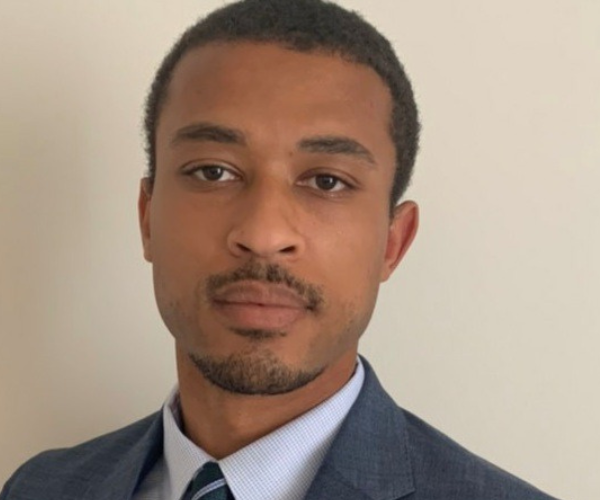
Over the years, I've come to realize that taking care of my health isn't a luxury it's a necessity. Whether I was serving in the military, working in education, or building my own business, I noticed that the times when I consistently exercised were often the times when I felt my best both physically and mentally.
The challenge, of course, is finding the time and motivation to make fitness a regular part of our lives. The good news is that it doesn't have to be complicated.
Why Fitness Matters for Educators
Many people underestimate how much energy teaching actually requires.
A typical school day involves far more than standing in front of a classroom. Teachers are constantly moving, solving problems, managing behavior, answering questions, and making decisions. By the end of the day, it's no surprise that many educators feel mentally and physically drained.
I've experienced this myself. There were days when I would leave work exhausted and feel like the last thing I wanted to do was exercise. Ironically, those were often the days when a walk, a workout, or even a short run helped me feel significantly better afterward.
Regular physical activity can improve energy levels, reduce stress, support better sleep, and help maintain focus throughout the day. For educators, those benefits can make a tremendous difference both inside and outside the classroom.

A Personal Perspective
As both a veteran and an educator, my relationship with fitness has changed over the years.
When I was younger, fitness was often about performance. It was about running faster, pushing harder, and meeting specific standards. Like many people, I viewed exercise as something that needed to be intense in order to be worthwhile.
Today, my perspective is very different.
Fitness is less about proving something and more about maintaining my health, managing stress, and ensuring I have the energy to handle life's responsibilities. I've found that some of my most productive days as an educator often follow a morning workout, a long walk, or a run.
There is something powerful about stepping away from screens, responsibilities, and distractions for a little while and simply moving. Exercise has become less about competition and more about creating balance.

Finding Time in a Busy Schedule
One of the biggest challenges educators face is finding time.
Between lesson planning, grading, professional development, family responsibilities, and everything else life throws our way, fitness can quickly fall to the bottom of the priority list.
I would be lying if I said I always get it right.
There have been plenty of times when I told myself I would work out tomorrow. Then tomorrow became next week.
What I've learned is that fitness does not have to be perfect. Some days you may have time for a full workout. Other days you may only have twenty minutes. Both count.
The goal is not perfection. The goal is consistency.
The Research Behind Exercise and Burnout
Research continues to show a strong connection between physical activity and mental well-being.
Studies have found that regular exercise can help reduce symptoms of stress, anxiety, and burnout while improving mood, cognitive performance, and overall quality of life. For educators, who often face high levels of workplace stress, these benefits can be particularly valuable.
While exercise won't eliminate every challenge that comes with teaching, it can provide a healthy outlet for managing pressure and maintaining resilience throughout the school year.
In a profession where so much energy is spent supporting others, physical activity can be one of the most effective ways to recharge ourselves.
The Power of Simply Moving More
One lesson I've learned over the years is that movement doesn't always need to come from a structured workout.
Sometimes the simplest forms of exercise are the most sustainable.
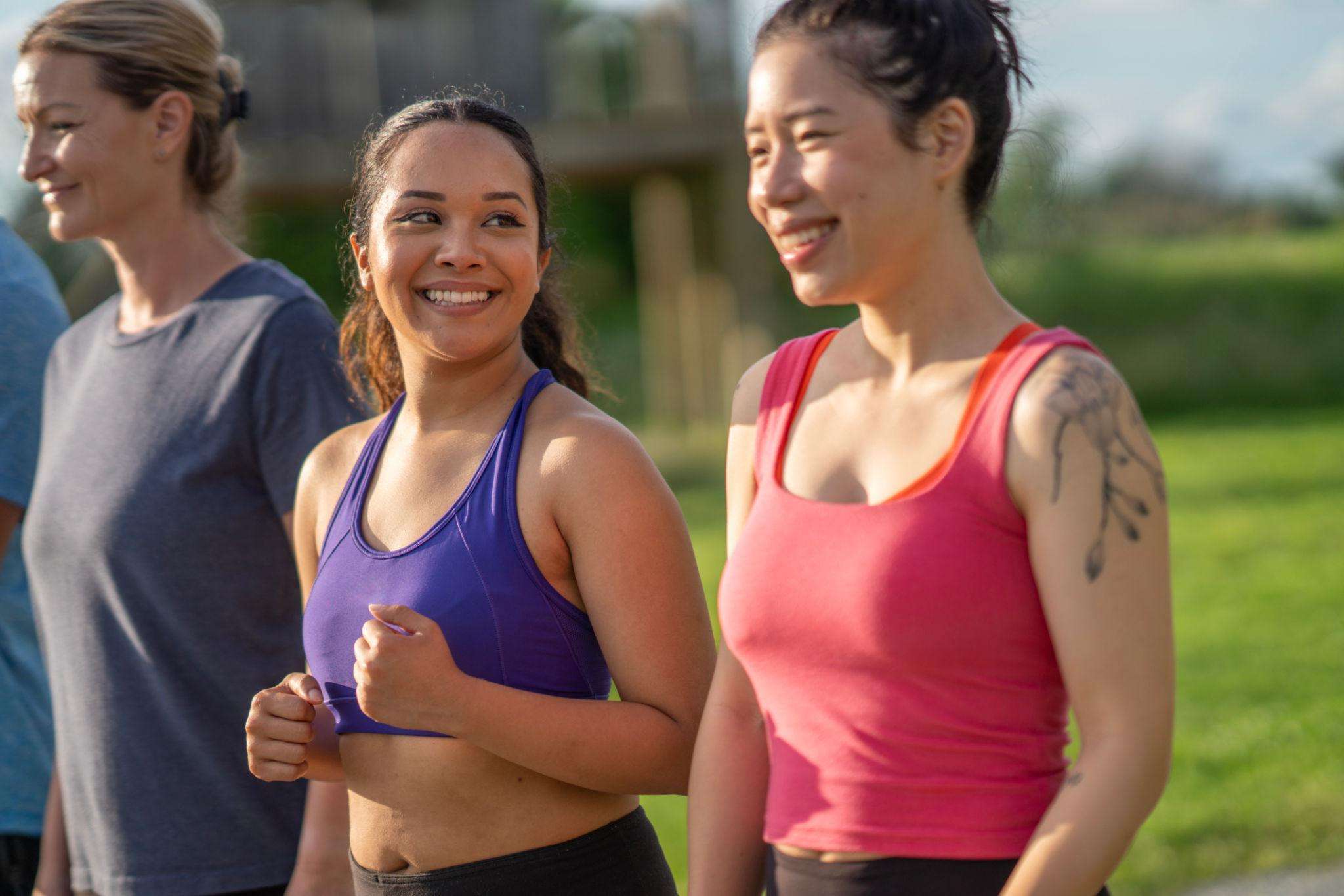
Walking, for example, is one of the most underrated activities available. It requires no special equipment, can be done almost anywhere, and offers significant physical and mental health benefits.
Living in Japan has reinforced this lesson for me. Walking is often built into daily life. Whether commuting, exploring a new area, or simply running errands, people tend to move more throughout the day.
Those small amounts of movement may not seem significant at first, but over time they add up.

Strength Matters More Than Many People Realize
While cardio often gets most of the attention, strength training becomes increasingly important as we get older.
Maintaining strength isn't about looking a certain way. It's about protecting your joints, improving posture, maintaining mobility, and supporting long-term health.
For educators who spend hours standing, walking, and carrying materials, strength can help reduce discomfort and improve overall quality of life.
The good news is that you don't need a fancy gym membership to get started. Simple exercises using body weight or basic equipment can provide tremendous benefits.

Managing Stress Through Physical Activity
Teaching can be stressful. There is no way around it.
Deadlines, testing requirements, classroom management challenges, and the responsibility of helping students succeed can create significant pressure.
For me, exercise has often been one of the healthiest ways to manage that stress.
Whether it's a long walk, a run, martial arts training, or a workout at the gym, physical activity provides an opportunity to clear my head and reset mentally.
Some of my best ideas and moments of reflection have happened while exercising. It's often during those moments that solutions seem to appear and challenges feel a little less overwhelming.

Finding an Activity You Enjoy
One of the biggest mistakes people make is forcing themselves into fitness routines they hate.
If you dread every workout, it's going to be difficult to stay consistent.
Instead, find something you genuinely enjoy. That might be walking, hiking, cycling, swimming, martial arts, weight training, or participating in a local sports league.
The best exercise program is not necessarily the most popular one. It's the one you'll continue doing six months from now.
Consistency will always outperform short bursts of motivation.
Getting Started
If you're unsure where to begin, keep it simple.
Start with a twenty-minute walk three times a week.
That's it.
Don't worry about buying expensive equipment. Don't worry about having the perfect workout plan. Focus on building the habit first.
Small habits often become lasting routines, and lasting routines are what create long-term results.
Every fitness journey starts with a single step.
Progress Over Perfection
Social media has a way of making fitness look easy.
We often see highlight reels rather than reality.
The truth is that meaningful progress usually happens slowly. It's built through small choices repeated consistently over time.
A walk after work. Drinking more water. Going to bed earlier. Exercising a few times each week.
Those habits may seem small individually, but together they can have a profound impact on your overall health and well-being.
Fitness is not about being perfect. It's about becoming a little better than you were yesterday.
Final Thoughts
Teachers dedicate their lives to helping others grow, learn, and succeed. In many ways, educators are constantly investing in the future.
But in the process of helping everyone else, it's important not to neglect ourselves.
You don't need to become a marathon runner or spend hours in the gym to improve your health. Start small. Take a walk. Try a new activity. Find something you enjoy and make it part of your routine.
The goal isn't perfection. The goal is creating habits that help you feel healthier, happier, and more energized over the long term.
After all, if we want to continue making a positive impact on others, we have to take care of ourselves too.