




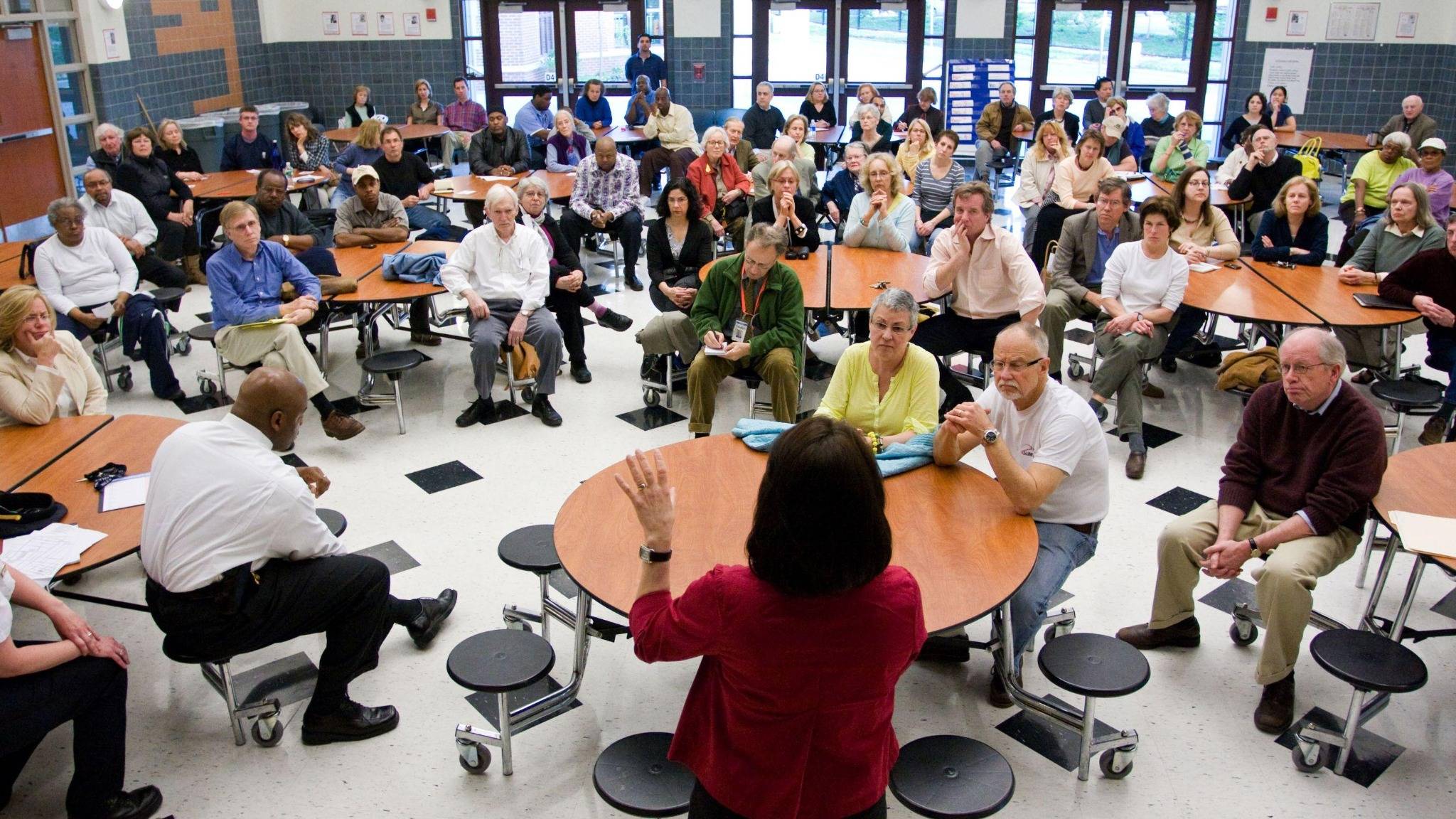

Education often begins at the local level. Students attend neighborhood schools, parents work with local teachers, and school districts focus on the needs of their communities.
Occasionally, however, a local school district finds itself at the center of a national conversation.
Recently, the San Francisco Unified School District (SFUSD) and Superintendent Dr. Maria Su appeared before the U.S. House Committee on Education and the Workforce to discuss district policies and educational practices. The hearing placed San Francisco's schools in the national spotlight and sparked conversations about the role of schools, parents, educators, and policymakers in shaping education.
Regardless of political viewpoints, the situation highlights an important reality: decisions made within local school districts can sometimes become part of larger national discussions about education.
Why Was San Francisco Being Discussed?
The congressional hearing focused on questions surrounding parental involvement, school policies, curriculum, student support systems, and the responsibilities of public schools.
While the hearing centered on San Francisco, many of the topics discussed are familiar to educators across the United States. School districts everywhere continue to navigate questions about academic achievement, student well-being, parental engagement, communication, and accountability.
These conversations are not limited to one city or one state. They reflect broader discussions taking place in education today.

Why This Matters Beyond San Francisco
One of the most important lessons from this story is that the issues being discussed are not unique to San Francisco.
Across the United States and around the world, schools are working to balance the needs of students, families, educators, and communities. Educational leaders are expected to improve academic outcomes, support student well-being, communicate effectively with families, manage resources responsibly, and prepare students for an increasingly complex future.
Whether a school is located in California, New York, Japan, India, Indonesia, Thailand, or within an overseas educational system such as DoDEA, many of the challenges are surprisingly similar.
Communities want transparency. Parents want to be involved. Teachers want the tools and support necessary to help students succeed. Students need safe and effective learning environments.
For that reason, the discussion surrounding San Francisco provides an opportunity for educators everywhere to reflect on how schools can continue building trust while maintaining a focus on student success.

The Growing Visibility of Education
One lesson educators can take from this event is that education has become increasingly visible to the public.
In the past, many educational discussions remained within schools, districts, and local communities. Today, educational decisions are frequently discussed on social media, in national news outlets, and by elected officials.
This increased attention can create challenges, but it also presents opportunities. Greater public interest in education can encourage more conversations about literacy, mathematics, career readiness, teacher support, school safety, and student achievement.
The reality is that education has never been more visible than it is today.
The Student Perspective
Educational discussions often focus on policies, budgets, leadership decisions, and governance.
However, students are the individuals most directly affected by these conversations.
Regardless of differing opinions on educational policies, one question remains important:
How will these decisions impact student learning, well-being, and future opportunities?
Keeping students at the center of educational discussions helps ensure that debates remain focused on the people schools exist to serve.
When educational leaders, parents, teachers, and policymakers evaluate decisions through the lens of student success, conversations often become more productive and solutions become easier to identify.
The Importance of Parent and Community Engagement
One theme that emerged throughout the discussion was the role of parents and communities in education.
Successful schools rarely operate in isolation. Strong partnerships between educators, families, and community organizations can create better outcomes for students and strengthen trust within the educational process.
Parents bring valuable insight into their children's needs. Educators bring professional expertise and classroom experience. Community organizations often provide resources and support that schools cannot provide alone.
When these groups work together, students benefit from a stronger support network and a more connected educational experience.

Three Takeaways for Educators
While every school district is different, there are several lessons educators can take from the national attention surrounding San Francisco.
1. Communication Matters
Clear and consistent communication helps build trust between schools, families, and communities. When stakeholders understand the goals and challenges facing a school district, collaboration becomes easier.
2. Parent Engagement Remains Essential
Parents play a critical role in student success. Creating opportunities for meaningful engagement can strengthen relationships and improve educational outcomes.
3. Student Success Must Remain the Priority
Educational debates may change over time, but the mission of education remains constant. Every decision should ultimately be evaluated based on its impact on students and their ability to learn, grow, and succeed.

What This Means for the Future of Education
The discussions surrounding San Francisco Unified School District will likely continue, but the broader lesson extends beyond a single district or hearing.
Educational policies may differ from state to state and country to country, but many of the challenges facing schools today are shared around the world. Questions about student achievement, technology, parental involvement, teacher support, and school leadership are becoming increasingly common across educational systems.
As a result, conversations such as these offer an opportunity for educators to learn from one another and reflect on how schools can continue improving outcomes for students.
Looking Ahead
While headlines come and go, the mission of education remains the same: helping students develop the knowledge, skills, and confidence they need to succeed.
The conversations taking place in San Francisco remind us that education is not simply a local issue. It is a shared responsibility that affects communities across the country and around the world.
Whether we are educators, parents, administrators, policymakers, or community members, we all have a role to play in supporting student success.
By maintaining a focus on communication, collaboration, and the needs of students, schools can continue building stronger educational environments for future generations.
Discussion Question
What role do you believe parents, educators, communities, and policymakers should play in shaping educational policy and student success?
We would love to hear your thoughts and perspectives.




