




Editorial Note
On November 22, 2026, Chongqing officials held a news briefing announcing results from the city's International Talent Exchange Conference. The briefing was confirmed by China News Service, Chongqing Daily and the city's official news portal.
The conference began earlier, on November 21, and some of the agreements and activities summarized at the November 22 briefing occurred before that date. The qualifying November 22 action is the newly completed official results briefing, including the disclosure of detailed recruitment figures.
The government reports that 3,955 highly educated or specialized professionals were recruited through the conference process, including 620 doctoral or postdoctoral-level young scientific and technical personnel. The reporting does not establish that all 3,955 people started work on November 22 or that the figure consists exclusively of PhD holders. This article is informational rather than individualized employment or immigration advice.
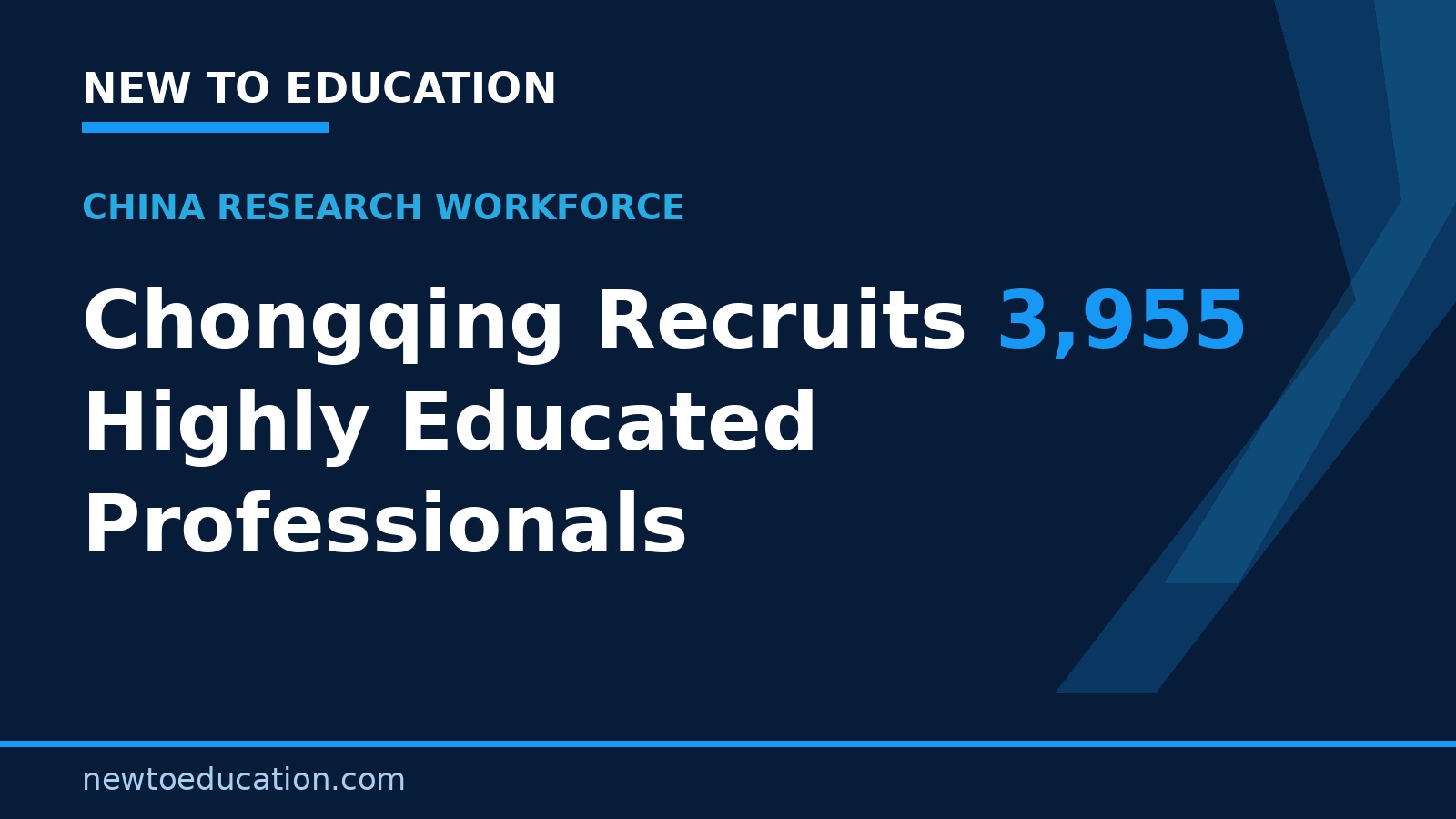
Chongqing announced substantial talent recruitment results on November 22, reporting that its International Talent Exchange Conference helped attract 3,955 highly educated or specialized professionals.
Among them were 620 young scientific and technical professionals identified in categories including doctoral and postdoctoral researchers.
The results provide a new perspective on how regional governments are connecting universities, research institutions and employers to build a specialized workforce.
Bottom Line
- Chongqing publicly reported recruitment involving 3,955 professionals.
- The total includes 620 doctoral or postdoctoral-level young scientific and technical personnel.
- Officials also described international institutional cooperation, research platforms and efforts to connect specialized graduates with industrial research opportunities.
- The figures summarize outcomes from the conference process, not a one-day hiring event completed exclusively on November 22.
What Happened on November 22?
The Chongqing municipal government held a results briefing following the International Talent Exchange Conference.
Deputy Organization Department Director Chen Ying presented information about recruitment activity and the participation of academic and industrial partners.
The conference brought together representatives from universities, businesses, government agencies and research organizations.
Officials described a combination of recruitment meetings, project discussions, research partnerships and entrepreneurship-related activities.
The announcement provided figures and institutional outcomes that can be evaluated separately from the conference's opening ceremony.
What the Recruitment Numbers Mean
The reported total was 3,955 recruited professionals.
Of those, 620 were identified as young scientific and technical personnel in categories involving doctorates or postdoctoral research experience.
Officials said the number in that specialized category was approximately 2.2 times the previous year's figure.
However, the broader 3,955 total should not be described as 3,955 doctoral graduates.
Nor should the figure be treated as proof that every reported candidate had begun employment or received a particular salary.
Recruitment announcements, signed commitments and confirmed employment starts may represent different stages.
The Role of Universities
Universities help prepare researchers and technical specialists with advanced disciplinary knowledge.
Doctoral education typically involves independent investigation, research methods, scholarly communication and specialized technical skills.
Research institutes and employers may seek graduates capable of applying those skills to scientific and industrial problems.
However, an academic credential alone is not a complete measure of suitability for a position.
Effective matching requires consideration of research expertise, available facilities, supervision, professional goals and employment conditions.
University–Industry Research Connections
Chongqing officials emphasized links between higher education, scientific research and industrial development.
The reported conference activities included international university cooperation and research-platform initiatives.
Some partnerships aim to support advanced technical areas such as artificial intelligence, materials science and related technologies.
Such relationships can potentially create opportunities for joint research, applied projects and specialized training.
But the existence of a partnership does not automatically confirm that every student can access a funded placement.
Research Careers Beyond Universities
Doctoral and postdoctoral researchers may work in university laboratories, government research institutes, industry or interdisciplinary organizations.
Their career requirements can differ.
An industrial research position may emphasize engineering implementation, commercial timelines and collaboration across departments.
A university research position may involve publishing, grant applications, student supervision and longer-term scientific investigation.
Career services should help postgraduate students understand these differences before they begin applications.
What This Means for International Applicants
International researchers interested in employment in Chongqing should investigate specific vacancies and employer requirements.
Important issues include contract terms, research facilities, funding arrangements, immigration eligibility and expectations for professional output.
A government announcement about attracting talent is not a universal invitation guaranteeing employment.
Applicants should also verify whether advertised research funding is committed and what conditions apply to its use.
What Universities Can Learn
Universities may benefit from clearer information about what employers and research institutions need.
That information can help institutions develop postgraduate supervision, professional skills training and opportunities for industry collaboration.
But graduate education should preserve intellectual independence.
Institutions need to prepare students for a range of careers rather than orienting every program around one local employer or economic strategy.
What This Does Not Mean
The November 22 announcement does not establish that 3,955 individuals completed doctoral degrees that day.
It does not guarantee permanent employment to every participant.
The seven international cooperation agreements reported at the related November 21 event should not be counted again as newly signed November 22 agreements.
Bigger Picture
Cities increasingly compete to attract specialized knowledge and research capability.
Recruiting researchers can strengthen universities and industrial organizations when appropriate facilities, funding and professional opportunities are available.
However, headline recruitment totals are only one measure.
Longer-term outcomes include retention, research quality, ethical governance and meaningful opportunities for early-career professionals.
What Happens Next
Employers and research institutions will need to complete applicable hiring, onboarding and project arrangements.
Officials may publish additional information about the implementation of institutional partnerships.
Future reporting should examine verified employment starts, research outcomes and the long-term retention of recruited professionals.
Why This Matters
Higher education systems cannot be evaluated only by enrollment or graduation totals.
The opportunities available to researchers after completing advanced study are also important.
Chongqing's November 22 briefing offers a concrete basis for examining how a region connects graduate education to professional and research opportunities.
Key Takeaways
- Chongqing held a results briefing November 22.
- Officials reported recruiting 3,955 professionals through the conference process.
- The group included 620 doctoral or postdoctoral-level young researchers.
- The broader conference began November 21.
- Recruitment totals are not automatically confirmed employment starts.
- University research partnerships and specialized workforce development were major themes.
- Long-term outcomes require further evaluation.
Frequently Asked Questions
Were 3,955 researchers hired on November 22 alone?
No. The figure summarizes recruitment associated with the wider conference process.
Are all 3,955 people PhD holders?
The reporting does not establish that. The broader total includes multiple categories of highly educated or specialized professionals.
Can international graduates apply for these opportunities?
Applicants should consult individual employers and institutional recruitment channels for confirmed eligibility and available positions.
Final Thoughts
The November 22 briefing demonstrates the importance Chongqing places on connecting advanced education with research and industry.
The most useful future evidence will concern sustained employment, functioning research collaborations and whether recruited professionals can develop successful careers.
Related Articles
- China Holds November 19 National Employment Meeting as 2027 University Graduates Are Projected to Reach 12.99 Million
- China Adds Two New UNESCO Education Chairs Focused on AI, Smart Cities, and Water Security
Support New To Education
Support reporting about higher education, postgraduate careers and international research partnerships.
Explore New To Education on Mobile
The New To Education iPhone app has a verified U.S. App Store listing. Availability in mainland China's storefront has not been independently established.
Sources






Comments (0)
No comments yet. Be the first to share a thought.