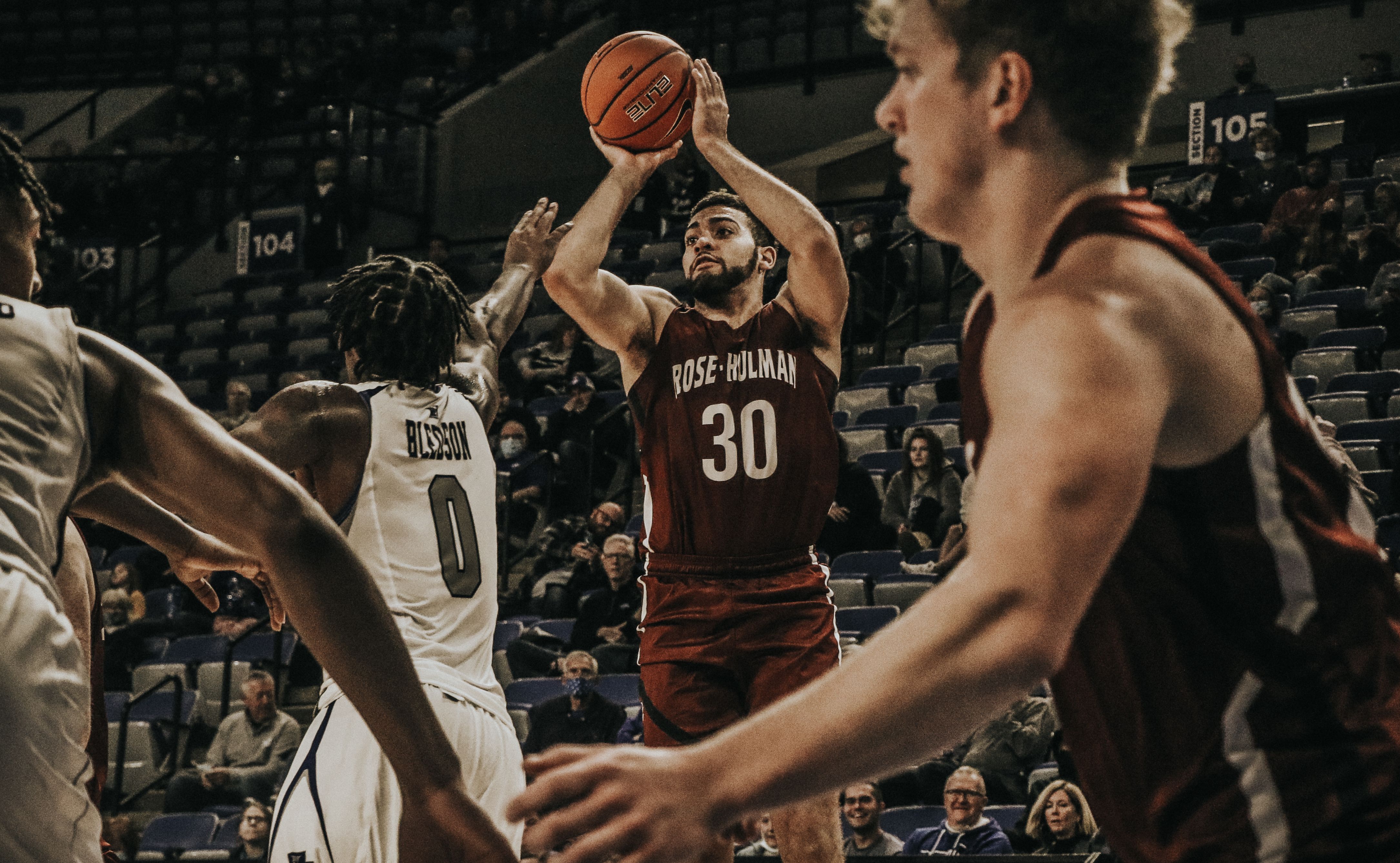

For years, fans were told that college sports was changing because of one thing: money.
That was true, but incomplete.
The bigger story now is governance. Who writes the rules? Who gets protected? Who gets paid? Who gets limited? And who gets to say college sports is still “college sports” when almost every part of the old model has already changed?
That is why the latest movement in Washington matters more than one more Name, Image, and Likeness headline.
According to Associated Press reporting, the Senate Commerce Committee advanced the Protect College Sports Act, a sign that lawmakers want a larger hand in building the next framework for college athletics. That alone would make this an important sports-business development. But the response matters just as much: athlete advocates and union voices quickly pushed back, warning that reform cannot simply become a cleaner way to preserve old power structures.
For fans, this is where the real story begins.
This is no longer just “NIL chaos”
The easiest summary of the past few years has been that NIL changed everything. Players gained new earning opportunities. Transfer rules loosened. Coaches and administrators complained that the sport became unstable. Fans learned new vocabulary: collectives, revenue sharing, portal windows, employment status, antitrust exposure.
But NIL did not create all the pressure. It exposed the fact that the old model had been relying on contradictions for a long time.
Schools were making serious money. Television rights kept growing. Coaches and administrators were paid like major executives. Yet the system still leaned on an outdated idea of amateurism whenever athletes asked for a larger piece of the structure.
Now those contradictions are too visible to ignore. That is why policymakers are getting more involved.
Why the new bill matters
Any serious federal bill in this space matters because college sports has become too fragmented to govern casually.
Right now, different pressures are arriving at once:
- Courts have been reshaping what the NCAA and conferences can restrict.
- State laws have created uneven NIL environments.
- Power-conference programs are operating very differently from smaller schools.
- Athlete advocates are pushing for labor rights, collective bargaining logic, or at least stronger protections.
- Fans, meanwhile, are being told to treat instability as the new normal.
A federal legislative framework would not solve every problem. But it could decide which problems schools get help with and which problems athletes are expected to absorb.
That is why fans should read past the word “reform.” Reform is not neutral by itself. It depends on what is being protected and what is being limited.
What schools and conferences want
From the institutional side, the argument is familiar: the current system is unstable, expensive, legally exposed, and uneven across states. Administrators want predictability. Coaches want roster planning they can trust. Conferences want guardrails. Universities want protection from constantly changing legal standards.
Those concerns are real.
A sport cannot function well if every offseason feels like emergency improvisation. Fans feel that too. Roster churn makes continuity harder. Recruiting narratives become harder to follow. Competitive balance can start to feel artificial or purely financial.
So when universities and lawmakers talk about “saving college sports,” they are speaking to a genuine anxiety.
But that is only half the story.
Why athletes are skeptical
Athletes and their advocates hear the same language differently. To them, “stability” can sound like a rebranding effort for restrictions that mainly protect institutions.
That is why AP’s reporting on union and athlete-group criticism matters. The backlash was not just rhetorical. It reflected a larger fear that the people who benefited most from the old system are now trying to write the next system before athletes gain durable leverage.
From that perspective, college sports reform is not only about restoring order. It is about deciding whether athletes will be treated as stakeholders with rights or as variables to be managed.
That tension is not going away.
The White House angle matters too
Washington Post reporting in April showed that federal political attention to college sports was already increasing before this Senate action. That matters because it confirms something bigger: college sports is now a national governance issue, not just an NCAA issue.
Once the White House, Congress, courts, conferences, and athlete groups are all moving in the same arena, the old idea that the NCAA can quietly sort things out on its own becomes less realistic.
For fans, that means the next era of the sport may be shaped less by NCAA branding and more by political compromise.
What ordinary fans should actually watch
If you are not a lawyer, athletic director, or labor organizer, the most useful question is simple: what kind of sport is being built?
Watch these pressure points:
1. Whether “fairness” means fairness for athletes or only uniformity for schools
A national system can reduce confusion. But uniformity is not automatically justice. Fans should ask who benefits from any proposed guardrails.
2. Whether athlete rights grow or get frozen in place
If reform creates order by capping athlete leverage while protecting institutional revenue, that is not a balanced reset. It is a power decision.
3. Whether smaller schools get squeezed
Any federal solution will land differently across the college sports map. What helps the biggest brands may increase strain elsewhere.
4. Whether the sport still feels like college sports
This matters emotionally, even if it sounds soft. Fans do not only care about compliance structures. They care about continuity, school identity, rivalries, and the sense that teams are not rebuilt from scratch every semester.
Why this is the sports story to understand now
Game results will keep coming. Recruiting battles will keep producing headlines. But the deepest story in college athletics is happening above the scoreboard.
The fight is now about control.
Who gets to define athlete status? Who gets to claim the language of preservation? Who gets legal cover? Who carries the risk? Who gets paid first? Those are not side issues anymore. They are the sport.
That does not mean college sports is doomed. It means it is being rebuilt in public.
Fans who want to understand the next decade should spend less time pretending one more NIL controversy is the whole story and more time watching the institutions that are trying to redesign the sport around it. The teams will still matter. The games will still matter. But the rule-makers are becoming part of the action.
And this time, they may shape the future more than any one coach or star player can.
Fan Takeaways
- The biggest college sports development this week was structural, not on-field.
- Federal lawmakers are signaling they want a bigger role in the post-NIL era.
- Athlete advocates are warning that “stability” cannot come at the cost of rights or bargaining power.
- Fans should watch governance choices because they will affect recruiting, roster continuity, and the feel of the sport.
- Understanding the policy fight now will make future college sports headlines much easier to decode.
Sources
- Associated Press: Senate panel advances Protect College Sports Act
- Associated Press: College athlete union voices push back on Washington-led reform effort
- Washington Post, April 3, 2026: Trump signs executive order aimed at reshaping college sports