





Sometimes I wonder when school started feeling so serious all the time.
Not serious in a good way serious in a pressured way.
Everything today feels measured. Test scores, benchmarks, pacing guides, rubrics, percentages, data charts, attendance numbers. Students are constantly being evaluated, and teachers are constantly trying to keep up with expectations that seem to grow every year.
And somewhere in the middle of all of that, creativity feels like it slowly drifted into the background.
I do not think it disappeared completely. There are still amazing teachers creating incredible classroom environments every day. There are still students with imagination, curiosity, and original ideas.
But I do think education sometimes feels less alive than it used to.
Creativity Used to Feel More Personal
When I think back to the classes people usually remember years later, it is rarely because of a worksheet or a multiple-choice test.
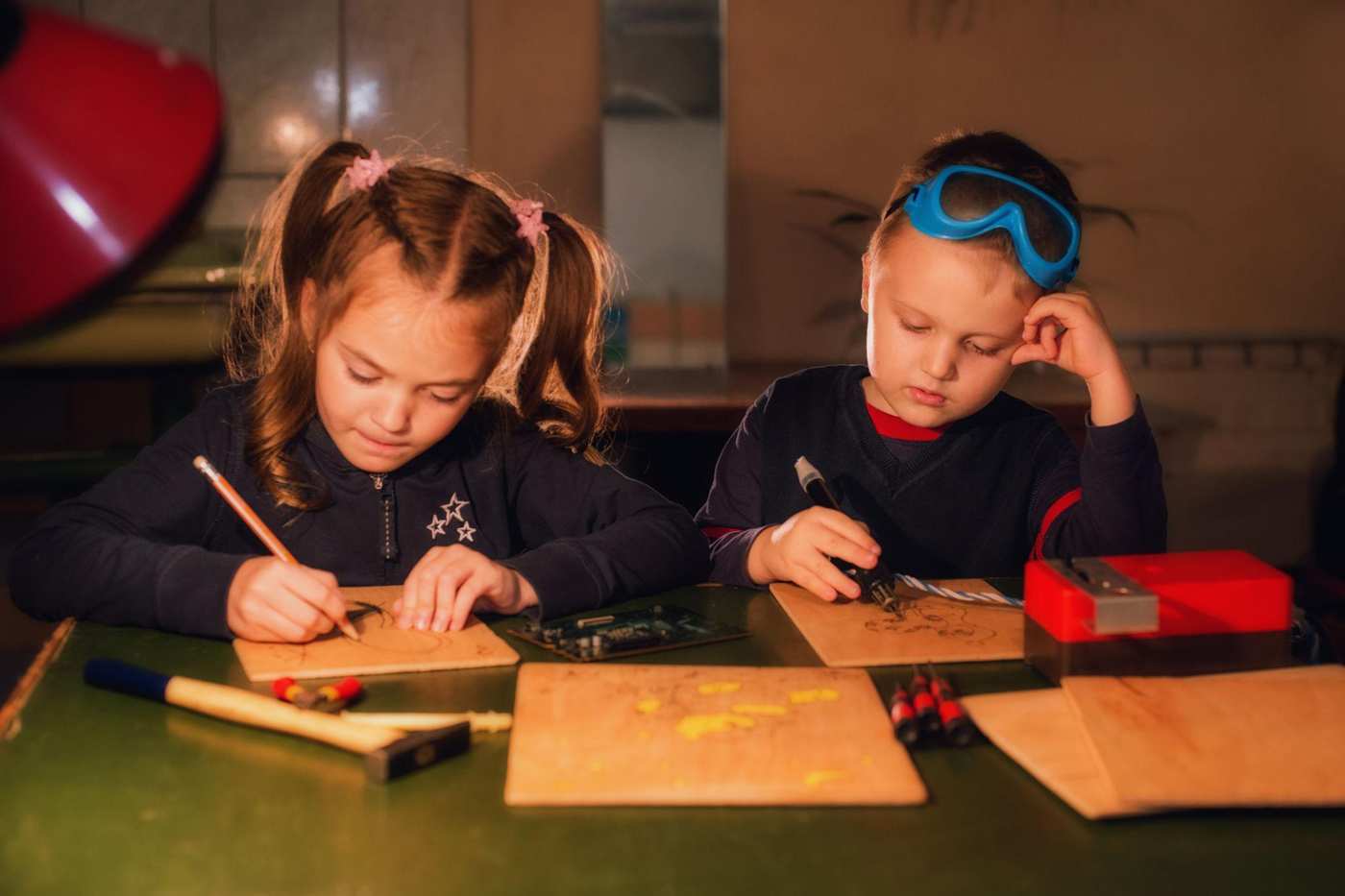
People remember projects they built, debates they had, stories they wrote, experiments that failed, presentations they were nervous to give, or teachers who made learning feel personal.
Those moments stayed with people because they felt human.
Now, a lot of students seem focused on one thing:
“What do I need to do to get the grade?”
And honestly, I understand why.
Students today grow up in an environment where performance follows them everywhere. Many feel pressure not only from school, but from social media, future careers, college expectations, and constantly comparing themselves to everyone online.
School can start feeling less like a place to explore ideas and more like a system students are simply trying to survive.
That changes how students approach learning.

Why Students Are Afraid of Being Wrong
You can sometimes see it in classrooms.
A student may have an interesting thought or unique perspective, but instead of exploring it, they immediately ask:
“Is that what you want us to say?”
That question says a lot.
It shows how many students have become conditioned to search for the “correct” response instead of trusting their own thinking.
And honestly, I do not think teachers are necessarily the problem either.
Teachers Are Feeling the Pressure Too
Teachers today are balancing an enormous amount of pressure themselves.
Curriculum pacing, testing requirements, administrative responsibilities, behavior management, parent communication, technology integration the list keeps growing.
Many teachers probably want more time for creativity and deeper exploration, but the system itself often pushes classrooms to move faster and faster.
Sometimes it feels like education is caught between two different goals.
One side wants measurable performance, efficiency, and academic outcomes. The other side wants students to feel inspired, curious, creative, and emotionally connected to learning.
The difficult part is that both matter.

Technology Changed the Way Students Think
Technology has complicated this even more.
Students now live in a world built around speed. Short videos, instant answers, endless scrolling, notifications, algorithms attention is constantly being pulled in different directions.
Even creativity online often feels rushed. People feel pressure to produce quickly instead of thinking deeply.
AI adds another layer to this conversation too.
Students can now generate essays, artwork, ideas, and answers almost instantly. And while AI can absolutely become a useful educational tool, I also think it raises an important question:
If students stop struggling through the creative process itself, what happens to imagination over time?
Because real creativity is usually messy.
It takes boredom sometimes. Reflection. Failure. Trial and error. Long conversations. Random ideas that make no sense at first.
Some of the best thinking happens slowly, not instantly.
But modern culture does not always reward slowness anymore.
The Classroom Still Changes When Creativity Appears
What is interesting, though, is that students still light up when creativity appears in the classroom.
You can feel the difference immediately.
The energy changes when students feel ownership over something. Discussions become more natural. Students start connecting ideas to their real lives.
Even quieter students sometimes become more engaged when they are allowed to think creatively instead of simply searching for the safest answer.
I honestly think most students still want learning to feel meaningful.
The challenge is that modern education systems are trying to balance creativity with pressure, technology, testing, and performance all at the same time.
And maybe that is why so many classrooms today feel emotionally exhausted.
Not because students or teachers stopped caring, but because education itself has become so focused on outcomes that it sometimes forgets the human side of learning.

Maybe Creativity Was Never Supposed to Be Separate From Learning
I do not think schools should remove structure or academic rigor. Those things matter. Students still need discipline, knowledge, and accountability.
But I do think creativity was never supposed to be treated like an extra part of education.
Because creativity is not only art or music.
It is curiosity.
It is problem solving.
It is imagination.
It is communication.
It is learning how to think differently.
Ironically, those are the exact skills society keeps saying future generations will need the most.
Education May Need More Balance Again
Maybe education does not need less structure.
Maybe it just needs more balance again.




