




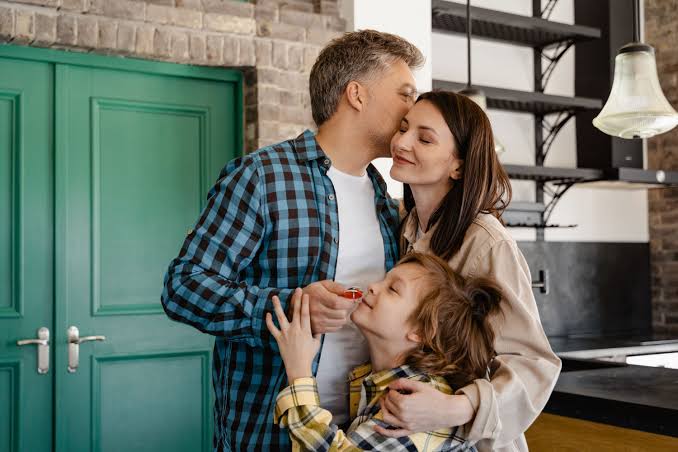

As a Marine Corps veteran, I have seen firsthand how military service affects not only the individual wearing the uniform but also the family members who support them behind the scenes.
During my time in service, I served alongside men and women whose spouses, children, parents, and loved ones made sacrifices that often went unnoticed. Whether it was a deployment, a training exercise, a permanent change of station, or simply the demands of military life, families were often adapting right alongside the service member.
Years later, as an educator, I continue to see the impact military life can have on students and families. Military-connected students often face unique challenges that many of their peers never experience. Frequent moves, changing schools, adjusting to new communities, and periods of separation from loved ones can all influence a student's educational experience.
These experiences have reinforced a simple lesson: supporting military families is an important part of supporting military readiness.
In recent months, military leaders and policymakers have continued emphasizing the importance of supporting service members and their families. While readiness is often discussed in terms of equipment, training, and operational capability, many experts recognize that family stability and community support play an important role in maintaining a strong and effective force.
The Military Family Connection
Military families face unique challenges that many civilians never experience.
Frequent moves, deployments, extended separations, changing schools, new communities, and the uncertainty that often comes with military life can create significant stress for both service members and their loved ones.
Despite these challenges, military families consistently demonstrate resilience, adaptability, and commitment.
Their ability to support one another during difficult periods helps create the foundation that allows service members to focus on their duties and responsibilities.
Military families are often asked to adapt quickly to changing circumstances. New schools, new jobs, new communities, and new support systems frequently become part of everyday life. While these experiences can be challenging, they also help develop resilience, flexibility, and problem-solving skills that serve military families well throughout their lives.
Readiness Is More Than Equipment
When people hear the word "readiness," they often think about aircraft, ships, vehicles, or military training.
However, readiness also includes people.
A service member who knows their family is supported may be better positioned to focus on training, deployments, and mission requirements. Likewise, strong family support systems can help reduce stress and improve overall well-being for both military personnel and their loved ones.
This is why military organizations have long invested in family support programs, community resources, and communication networks designed to help military families navigate the challenges of military life.
Military readiness begins long before a service member steps into a cockpit, boards a ship, or reports for duty. It begins with people who feel supported, valued, and connected to their communities.
The Importance of Community
One of the strengths of the military community is its ability to bring people together.
Whether through unit organizations, family readiness programs, community events, support groups, or informal networks of friends and neighbors, military families often rely on one another for assistance and encouragement.
These connections can help families:
- Navigate deployments
- Adjust to new duty stations
- Share information and resources
- Build friendships
- Support one another during challenging times
Military communities often develop a unique sense of camaraderie. Individuals who may have never met before frequently step forward to help one another simply because they understand the challenges military life can bring.
This spirit of service and community remains one of the military's greatest strengths.
Recognizing Military Spouses
Military spouses often serve as the backbone of military families.
While service members may wear the uniform, spouses frequently manage many of the challenges that occur behind the scenes.
They may oversee household responsibilities during deployments, help children adjust to new schools, build support networks in unfamiliar communities, and often put their own career goals on hold due to frequent relocations.
Many military spouses demonstrate remarkable resilience and leadership. They support their families through periods of uncertainty while continuing to contribute to their communities through employment, volunteer work, education, and advocacy.
Their contributions may not always receive public recognition, but they play an important role in the overall success of military families.
Military Children and Education
Military-connected students represent an important part of the military community.
It is estimated that approximately one million children in the United States have a parent serving in the military. Many of these students attend multiple schools throughout their childhood due to relocations and overseas assignments.
While these experiences can help students develop adaptability, independence, and cultural awareness, they can also present academic and social challenges.
Schools, educators, counselors, and support organizations often work together to help military-connected students transition successfully between schools and communities.
As an educator, I believe that supporting military children is an important part of supporting military families as a whole.
When students feel welcomed, supported, and connected, they are often better positioned to succeed both academically and socially.
The Role of Educators in Military Communities
Schools are often one of the first places military families interact with after arriving at a new duty station.
For many students, the classroom becomes a source of stability during periods of transition.
Educators have an opportunity to provide encouragement, structure, and support as students adjust to new environments.
A welcoming classroom can make a significant difference in helping military-connected students feel comfortable and confident.
As someone who has worked in education and served in the military, I have seen how meaningful that support can be.
Teachers, administrators, counselors, and school staff often play an important role in helping students navigate challenges while building confidence and a sense of belonging.
Mental Health and Family Wellness
In recent years, there has been growing recognition of the importance of mental health and overall family wellness.
Military life can be rewarding, but it can also be demanding.
Long separations, deployments, operational requirements, and frequent transitions can affect both service members and family members.
This is why many military support programs emphasize resilience, communication, stress management, and access to resources that promote healthy family relationships.
Seeking support when needed is not a sign of weakness. Rather, it reflects a commitment to personal well-being and family wellness.
Strong families are built through communication, support, understanding, and access to resources that help individuals navigate challenges successfully.
Education and Opportunity
Education has long been one of the most valuable benefits available to military members, veterans, and their families.
Programs such as the GI Bill, tuition assistance, scholarships, credentialing programs, and professional development opportunities have helped millions pursue new careers and achieve personal goals.
For many veterans, education serves as a bridge between military service and civilian life.
It provides opportunities to develop new skills, explore new interests, and prepare for future careers.
Lifelong learning remains one of the strongest tools available for building successful futures both during and after military service.
Supporting Veterans Beyond Service
Support does not end when military service concludes.
Veterans continue contributing to their communities in countless ways.
They become educators, business owners, healthcare professionals, public servants, first responders, coaches, mentors, and community leaders.
Many veterans continue serving others long after they remove the uniform.
Access to education, career development resources, healthcare, mentorship, and community support can help veterans successfully transition into civilian life while continuing to make meaningful contributions to society.
As a veteran myself, I have seen how valuable these opportunities can be in helping individuals build successful and fulfilling careers after military service.
Recognizing the Contributions of Military Families
When we thank a service member for their service, it is also worth recognizing the sacrifices made by military families.
Spouses often manage households during deployments.
Parents support children through transitions and uncertainty.
Children adapt to new schools, new communities, and new friendships.
Friends, relatives, educators, and community members often provide support during challenging periods.
These contributions may not always receive public recognition, but they are an important part of the military community.
Military service has always been a team effort.
Looking Ahead
As the military continues evolving to meet new challenges, support for service members and military families remains an important part of maintaining a strong force.
Readiness is not only about equipment, training, or technology.
It is also about people.
Strong families, supportive communities, quality education, accessible resources, and opportunities for growth all contribute to the well-being of service members and their ability to perform their duties effectively.
Investing in military families is an investment in the future success of the military community as a whole.
Final Thoughts
Throughout my military and educational career, I have learned that success is rarely achieved alone.
Behind every service member is a network of people who provide encouragement, stability, and support.
Whether through education, community involvement, family programs, mentorship, or simple acts of kindness, supporting military families helps strengthen the individuals who serve our country.
Military readiness begins with people, and people are strongest when they know they are supported.
Supporting service members and military families is not a political issue. It is a recognition of the sacrifices, resilience, dedication, and commitment demonstrated every day by those who serve and the loved ones who stand beside them.
By continuing to invest in education, family wellness, community support, and lifelong learning, we help create stronger military families, stronger communities, and a stronger future for everyone.




