Artificial intelligence is changing education at an incredible pace, but one question continues to shape conversations among English language educators:
How can teachers use AI without losing the human connection that makes language learning meaningful?
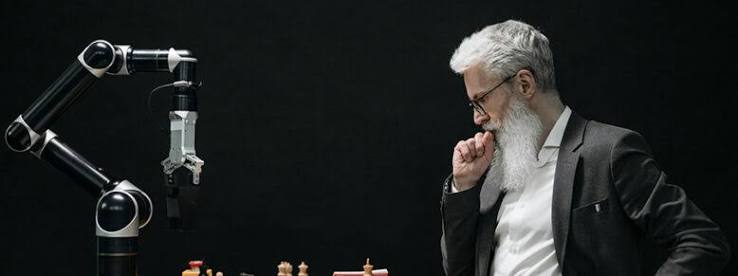
This week, organizers of the International TESOL Union (ITU) Conference 2026 announced a major focus on "Human AI Partnership in ELT: Designing Human-Centred, AI-Enabled Pedagogy." The conference theme reflects a growing movement within the TESOL profession to embrace technology while ensuring that communication, culture, empathy, and meaningful interaction remain at the heart of English language teaching.
AI Is a Tool Not a Teacher
Artificial intelligence is becoming increasingly common in English language classrooms.
Teachers now have access to AI-powered lesson planning, instant feedback tools, pronunciation analysis, grammar support, and personalized learning activities. While these technologies can improve efficiency, TESOL professionals emphasize that they should enhance not replace the teacher's role.
Language learning is about more than vocabulary and grammar. It also involves building confidence, developing cultural understanding, and learning how to communicate with real people.
The Future of TESOL
The conference will bring together educators, researchers, and policymakers from around the world to discuss how AI can be integrated responsibly into English language teaching.
Topics include ethical AI use, curriculum development, learner engagement, teacher identity, and practical classroom strategies that combine technological innovation with effective teaching practices.
This reflects a broader shift within the profession. Rather than asking whether AI belongs in the classroom, educators are asking how it can best support both teachers and students.
Why It Matters
For English language teachers, professional development has never been more important.
As technology continues to evolve, educators who stay informed about new teaching methods and digital tools will be better prepared to meet the needs of today's learners.
At the same time, the conference's emphasis on "human-centered" teaching serves as an important reminder that empathy, encouragement, creativity, and meaningful conversation remain qualities that technology cannot replace.
Looking Ahead
The future of TESOL will likely combine the best of both worlds.
Artificial intelligence can help teachers save time, personalize instruction, and provide immediate feedback. However, the relationships teachers build with their students and the confidence they inspire will continue to define successful language education.
As the profession moves forward, one message is becoming increasingly clear: the future of English language teaching is not about choosing between humans and technology. It's about finding the right partnership between the two.
Sources
- International TESOL Union – ITU 2026 Conference: Human–AI Partnership in ELT
https://www.tesolunion.org/itu26/ - TESOL International Association – News and Professional Updates
https://www.tesol.org/news - BridgeUniverse – TEFL & TESOL Events Calendar
https://bridge.edu/tefl/blog/events/