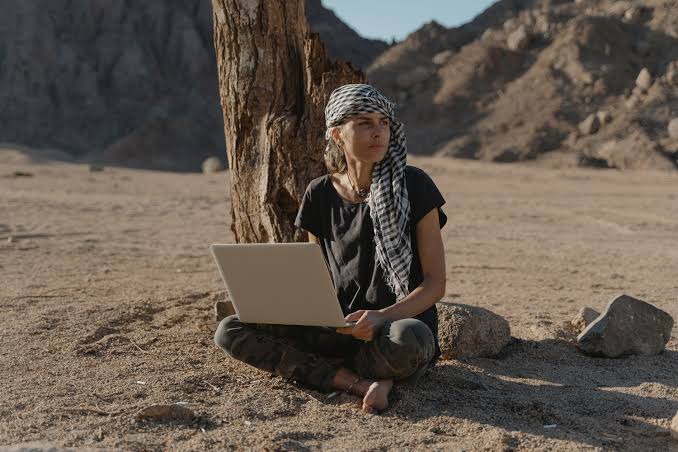

The rise of remote work has created a new type of traveler one who doesn't have to choose between earning a living and exploring the world. Digital nomads, freelancers, entrepreneurs, educators, consultants, and remote employees are staying in destinations for weeks or even months, transforming not only how people travel but also how countries compete for visitors.
What began as a workplace trend has become one of the most significant shifts in global tourism.
Travel Is No Longer Limited by Vacation Days
One of the biggest advantages of remote work is flexibility.
Instead of planning travel around limited vacation time, many professionals can now perform their jobs from almost anywhere with a reliable internet connection.
This has led to longer stays, slower travel, and a greater interest in experiencing local culture rather than simply visiting tourist attractions.
Rather than spending three days in a city, many remote workers choose to spend several months living there, supporting local businesses while immersing themselves in everyday life.
Countries Are Competing for Remote Workers
Governments have noticed.
Over the past few years, dozens of countries including Japan, Portugal, Spain, Italy, Costa Rica, Estonia, and the United Arab Emirates have introduced or expanded digital nomad visas designed specifically for remote professionals.
These programs allow eligible individuals to legally live and work remotely while contributing to local economies without taking jobs from local residents.
For many governments, attracting digital nomads has become an economic development strategy rather than simply a tourism initiative.
Local Businesses Are Benefiting
Traditional tourists typically spend money on hotels, restaurants, attractions, and transportation.
Remote workers often go much further.
Because they stay longer, they rent apartments, shop at neighborhood grocery stores, join gyms, work from cafés, use coworking spaces, and support local service providers.
This creates a more consistent flow of economic activity that extends beyond traditional tourist seasons.
Many cities have responded by investing in faster internet infrastructure, expanding coworking facilities, and creating communities specifically designed for remote professionals.
Technology Is Making the Lifestyle Easier
The growth of remote work would not be possible without advances in technology.
Cloud computing, video conferencing, project management software, artificial intelligence, online banking, and digital payment platforms have made it possible for professionals to collaborate with clients and colleagues from almost anywhere in the world.
Translation apps, international eSIMs, online tax services, and travel planning platforms have also removed many of the barriers that once made long-term international travel difficult.
Today, someone can attend a meeting in New York during the morning and spend the afternoon exploring a historic neighborhood in Tokyo, Lisbon, or Bali.
Challenges Still Exist
Despite its advantages, the digital nomad lifestyle is not without challenges.
Visa requirements differ from country to country, and remote workers must carefully consider tax obligations, health insurance, time zone differences, and internet reliability before relocating.
Some popular destinations have also experienced rising housing costs, leading local governments to balance the economic benefits of digital nomads with the needs of local communities.
As a result, many countries are refining their visa programs to promote sustainable long-term growth rather than rapid expansion.
What This Means for the Future
Remote work has fundamentally changed the relationship between employment and travel.
Instead of asking, "Where should I vacation?" many professionals are now asking, "Where should I live next?"
This shift is encouraging countries to rethink immigration policies, tourism strategies, and economic development while creating new opportunities for businesses that serve remote professionals.
For educators, entrepreneurs, freelancers, consultants, and professionals seeking greater flexibility, the world has become more accessible than ever before.
Looking Ahead
The future of tourism is no longer defined solely by hotels and vacation packages.
It is increasingly shaped by technology, flexibility, and the ability to work from anywhere.
As remote work continues to evolve, countries that invest in digital infrastructure, welcoming immigration policies, and vibrant local communities may become the destinations of choice for the next generation of global professionals.
For millions of people around the world, travel is no longer just about taking time off.
It's becoming a way of life.
Sources
- World Travel & Tourism Council (WTTC)
https://wttc.org/ - UN Tourism (formerly UNWTO)
https://www.unwto.org/ - Nomad List – Global Digital Nomad Trends
https://nomadlist.com/ - World Economic Forum – The Future of Remote Work
https://www.weforum.org/ - OECD – Tourism Trends and Policies
https://www.oecd.org/tourism/