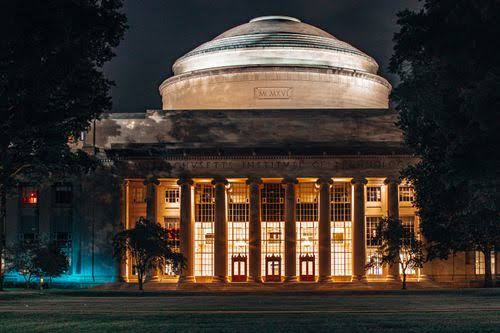

For many high school students, the college search begins with rankings, acceptance rates, and well-known university names. While attending a prestigious institution can certainly open doors, choosing a college based solely on its reputation may not always lead to the best educational experience.
The most successful college journey often begins by finding a university that aligns with a student's academic goals, financial situation, learning preferences, and career aspirations. A school that is the right fit can provide opportunities for growth, meaningful relationships, and long-term success.
Look Beyond the Rankings
College rankings receive significant attention each year, but they tell only part of the story. A university that ranks highly overall may not necessarily have the strongest program in a student's chosen field.
Prospective students should research graduation rates, internship opportunities, class sizes, faculty expertise, career placement, and student support services. Visiting campuses either in person or virtually can also provide valuable insight into campus culture and everyday student life.
Finding the right environment often matters more than attending the highest-ranked institution.
Consider the Financial Picture
College is a significant investment, and understanding the total cost of attendance is essential. Tuition is only one part of the equation. Housing, meal plans, textbooks, transportation, and personal expenses can substantially increase the overall cost.
Students should explore scholarships, grants, work-study programs, and financial aid opportunities before making a final decision. Graduating with less debt can provide greater financial flexibility after college and reduce stress during the transition into a career.
Think About Career Opportunities
A college education extends far beyond the classroom. Internship programs, undergraduate research opportunities, career fairs, alumni networks, and employer partnerships all contribute to a student's professional development.
Students should ask questions such as:
- Does the university have strong internship partnerships?
- What percentage of graduates find employment within six months?
- Are there opportunities to study abroad or participate in research?
- Does the school provide career coaching and networking events?
These experiences often play a significant role in preparing students for life after graduation.
Campus Life Shapes the Experience
Academic programs are important, but so is the overall college experience. Student organizations, athletics, volunteer opportunities, cultural events, and leadership programs all contribute to personal growth.
Feeling connected to a campus community can improve academic performance, increase confidence, and help students build lifelong friendships. A supportive environment often makes the transition to college much smoother.
Looking Ahead
Choosing a college is one of the biggest decisions many students will make, but it doesn't have to be overwhelming. By focusing on academic fit, affordability, career preparation, and campus culture, students can make informed decisions that support both their educational goals and their future careers.
In the end, the best college isn't necessarily the one with the most recognizable name it's the one that provides the opportunities, support, and environment needed for each student to thrive.
Sources
National Center for Education Statistics – College Navigator
https://nces.ed.gov/collegenavigator/
U.S. Department of Education – College Scorecard
https://collegescorecard.ed.gov/
National Association for College Admission Counseling (NACAC)
https://www.nacacnet.org/
College Board – BigFuture College Planning Resources
https://bigfuture.collegeboard.org/