




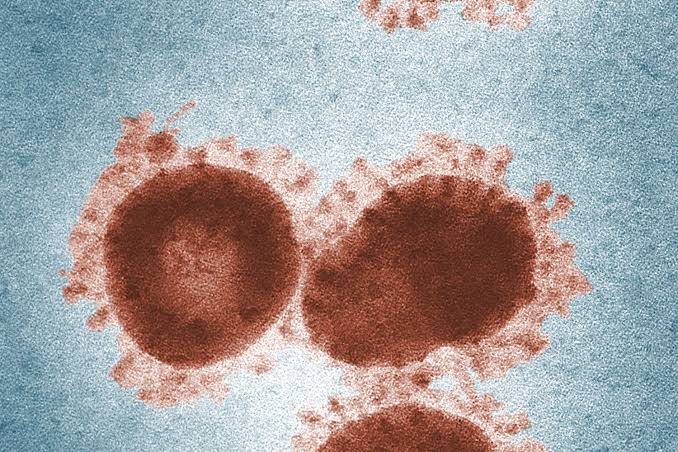

The CDC is investigating a sharp rise in Cyclospora infections after more than 1,600 confirmed domestic cases and 141 hospitalizations were reported across the United States during the 2026 outbreak season.
Editorial Note
This article discusses an active foodborne-illness investigation. Case counts, affected locations, suspected foods, and public-health recommendations may change as federal and state agencies receive additional information.
As of the latest CDC update reviewed for this article, investigators had not confirmed one common food source responsible for all reported infections. Readers should avoid blaming a particular farm, restaurant, country, company, or type of produce unless public-health officials formally identify it.
This article is intended for educational and informational purposes. It does not provide medical diagnosis or treatment advice. People experiencing prolonged or severe gastrointestinal symptoms should contact an appropriate healthcare professional.
A microscopic parasite is causing a growing public-health concern across the United States.
Health information highlighted on July 16, 2026, showed that the Centers for Disease Control and Prevention had received reports of 1,645 confirmed domestically acquired cases of cyclosporiasis since the beginning of the agency’s 2026 surveillance season.
The confirmed cases were reported across 34 states. At least 141 people had been hospitalized, while no deaths had been reported.
The CDC also said it was aware of more than 5,100 additional illnesses requiring further analysis before officials could determine whether they met the definition of domestically acquired cyclosporiasis.
Multiple states reported more infections than they had during the same period in 2025.
Federal, state, and local officials are investigating several outbreaks, including a multistate outbreak. Investigators had not yet confirmed the food or foods responsible for the broader increase.
The development matters because Cyclospora infections can produce weeks of gastrointestinal illness and may be difficult to diagnose unless healthcare providers specifically request the correct laboratory test.
What the CDC Reported
The CDC’s latest surveillance figures covered illnesses reported since May 1, which the agency treats as the beginning of the annual U.S. Cyclospora outbreak season.
As of July 13, the CDC had received 1,645 confirmed reports associated with infections acquired within the United States.
The agency reported 141 hospitalizations and no deaths.
These numbers do not necessarily represent every person who became ill.
Some people may experience symptoms without seeking medical care. Others may not be tested for Cyclospora, and some laboratories do not automatically include the parasite when examining a stool sample or running a gastrointestinal testing panel.
The CDC also warned that state totals may be higher than the federal count because states may include probable cases that have not yet completed the CDC’s confirmation process.
The number of suspected illnesses could therefore continue rising as agencies analyze reports and connect cases with particular outbreaks.
What Is Cyclospora?
Cyclospora cayetanensis is a microscopic, single-celled parasite that can infect the human intestinal tract.
The illness it causes is known as cyclosporiasis.
People generally become infected after consuming food or water contaminated with the parasite.
The organism must spend time in the environment before it becomes infectious. This means Cyclospora is not believed to spread directly and immediately from one person to another in the same way as some viruses or bacteria.
Contamination may occur when food or water comes into contact with human fecal material containing the parasite.
Fresh produce has been connected with previous U.S. outbreaks, but that history does not mean every current case was caused by produce or that any particular food should be blamed before investigators complete their work.
The CDC and the Food and Drug Administration may use interviews, purchase records, restaurant information, supply-chain records, and traceback investigations to search for shared exposures among people who became ill.
What Symptoms Can Cyclospora Cause?
The most common symptom is frequent, watery diarrhea.
People may also experience loss of appetite, weight loss, stomach cramps, bloating, increased gas, nausea, fatigue, and low-grade fever.
Some people may vomit, although vomiting is generally less common.
Symptoms can begin about a week after exposure, although the timing can vary.
One of the infection’s most frustrating features is that symptoms may appear to improve and then return.
Without treatment, illness may continue for several weeks or longer.
The prolonged diarrhea can lead to dehydration, weakness, weight loss, and difficulty completing normal activities.
People with weakened immune systems or other serious health conditions may be at greater risk of experiencing severe or prolonged illness.
Why Cyclospora Can Be Difficult to Diagnose
Cyclosporiasis may resemble other gastrointestinal illnesses.
Diarrhea, cramps, nausea, and fatigue can result from many bacteria, viruses, parasites, medications, and noninfectious medical conditions.
Healthcare providers may therefore begin by considering more common causes.
Testing creates another challenge.
Cyclospora testing is not routinely performed by every laboratory. A standard stool test may not automatically include it, and some gastrointestinal polymerase chain reaction panels do not test for the parasite.
The CDC advises healthcare providers to consider Cyclospora when a patient has prolonged diarrheal illness, particularly during the spring and summer outbreak season or after relevant food or travel exposure.
Providers may need to request the test specifically.
More than one stool specimen may also be necessary because an infected person may not consistently shed enough of the parasite to make it easily detectable in every sample.
Why Investigators Have Not Named One Food
Foodborne-outbreak investigations can take time.
People often do not remember every food they consumed during the days or weeks before they became ill.
Fresh produce may be mixed into salads, sandwiches, sauces, garnishes, or prepared dishes, making one ingredient difficult to identify.
The same product may also move through farms, processors, distributors, wholesalers, restaurants, stores, and institutional kitchens before reaching the consumer.
Investigators look for patterns.
They may compare what people with the illness ate with what people who remained healthy ate. They may inspect restaurant receipts, shopper-card records, invoices, menus, and distribution records.
A food may initially appear suspicious because many patients consumed it, but that does not prove contamination. Common foods are consumed by millions of people who do not become ill.
Public-health agencies generally avoid naming a product until the evidence becomes strong enough to support an alert, recall, or other action.
Announcing the wrong source could damage an innocent business while failing to stop the actual outbreak.
Several Outbreaks May Be Occurring at Once
The national total should not automatically be interpreted as one single outbreak caused by one product.
The CDC said it was investigating several outbreaks during the 2026 season.
Some cases may be linked through a common food or distributor, while others may have unrelated sources.
A nationwide surveillance total can include isolated cases, small clusters, larger outbreaks, and infections that investigators have not yet connected with any shared exposure.
This makes the investigation more complicated.
Identifying one contaminated food may explain one cluster without explaining every reported illness.
The public should therefore be careful with headlines implying that one source has caused all 1,645 confirmed infections.
Why Cyclospora Cases Rise During Warmer Months
U.S. Cyclospora infections tend to increase during the spring and summer.
The CDC generally considers May 1 through August 31 the main domestic surveillance season.
The reason is connected partly to food production, distribution, environmental conditions, and the seasonal availability of foods previously associated with outbreaks.
Cyclospora is more common in tropical and subtropical regions, although domestically acquired infections occur in the United States.
Previous U.S. outbreaks have been associated with imported fresh produce, including basil, cilantro, raspberries, snow peas, and certain lettuce products.
That history is useful for epidemiologists but should not be treated as proof about the current outbreak.
Food systems and suppliers change, and the food involved in one year may be completely different from the source in another year.
Can Washing Produce Prevent Cyclospora?
Washing fresh produce remains an important food-safety practice.
The CDC recommends washing hands with soap and water before and after preparing fruits and vegetables. Produce should be rinsed thoroughly under clean running water before it is cut, cooked, or eaten.
Firm items such as melons and cucumbers can be scrubbed with a clean produce brush.
Damaged or bruised areas should be removed, and cut or peeled produce should be refrigerated promptly.
However, washing does not guarantee that every Cyclospora organism will be removed.
The parasite can be difficult to eliminate using routine washing or sanitizing methods.
Consumers should still wash produce because the practice can reduce dirt and some forms of contamination. They should simply understand that washing is a risk-reduction step rather than complete protection.
Soap, bleach, and household cleaning products should not be applied directly to fruits and vegetables unless an authoritative food-safety agency specifically approves the product for that purpose.
Should People Stop Eating Fresh Produce?
The CDC had not advised the public to stop eating all fresh fruits or vegetables.
Fresh produce provides important nutrients and remains part of a healthy diet.
Avoiding an entire category of food without evidence could create unnecessary fear and nutritional consequences.
Consumers should follow any specific recalls or food warnings issued by public-health authorities.
They should also use standard food-safety practices, including washing hands, rinsing produce, separating raw foods from ready-to-eat items, cleaning preparation surfaces, and refrigerating cut produce promptly.
People should be especially cautious about social-media claims naming an unconfirmed food, business, farm, or country.
A viral post is not a substitute for a CDC or FDA outbreak notice.
How Is Cyclosporiasis Treated?
The CDC identifies trimethoprim-sulfamethoxazole, commonly abbreviated as TMP-SMX, as the preferred treatment for cyclosporiasis.
It is a prescription antibiotic combination also known under several brand names.
Treatment decisions should be made by a licensed healthcare professional.
The medication may not be appropriate for everyone, particularly people with certain allergies, medication interactions, kidney conditions, or other health concerns.
There is not currently a consistently proven alternative treatment for every patient who cannot take TMP-SMX.
This makes prevention, accurate diagnosis, and professional medical evaluation especially important.
People should not take leftover antibiotics or medication prescribed to someone else.
Using the wrong antibiotic may fail to treat the infection and could create additional health risks.
When Should Someone Seek Medical Care?
People should consider contacting a healthcare professional when diarrhea is persistent, severe, recurring, or accompanied by signs of dehydration.
Possible dehydration symptoms include extreme thirst, dry mouth, dizziness, reduced urination, dark-colored urine, unusual weakness, or confusion.
Medical advice may be particularly important for young children, older adults, pregnant people, individuals with weakened immune systems, and people with chronic medical conditions.
A person who suspects Cyclospora should tell the provider about symptom duration, recent travel, restaurants visited, produce consumed, and whether other people who shared a meal became ill.
The patient may also want to ask whether the ordered gastrointestinal testing specifically includes Cyclospora.
This does not mean people should diagnose themselves based on one symptom.
It means that relevant information can help a healthcare professional decide which tests are appropriate.
Why Reporting Illness Matters
A single patient’s test result may help identify a larger outbreak.
Healthcare providers and laboratories report confirmed cases to health departments because cyclosporiasis is a nationally notifiable disease.
Public-health investigators may interview patients about what they ate, where they shopped, and which restaurants they visited.
Those interviews can feel repetitive, especially when someone is already sick.
They are essential for identifying common patterns.
A person’s grocery receipt or restaurant history may provide the clue that connects cases from different states.
People should respond honestly and completely when contacted by a verified public-health agency.
They should also be cautious about scams. Legitimate investigators should be able to identify their department and explain why they are calling.
Restaurants and Schools Should Review Food-Safety Practices
The outbreak has implications beyond individual households.
Restaurants, childcare centers, schools, universities, hospitals, assisted-living facilities, and other organizations may serve fresh produce to large numbers of people.
Food-service staff should follow supplier requirements, handwashing rules, refrigeration standards, cleaning procedures, and local health regulations.
Organizations should maintain accurate supplier, invoice, menu, and delivery records.
Those records can become critical during traceback investigations.
Schools and childcare providers should also have procedures for responding when several students or employees develop similar gastrointestinal symptoms.
They should work with local health departments rather than attempting to identify an outbreak independently.
A cluster of diarrhea should not automatically be assumed to result from a minor stomach virus.
Paid Sick Leave Is Part of Food Safety
Food safety is not only a question of washing produce.
Workplace policies matter.
Employees who cannot afford to miss a shift may continue working while experiencing diarrhea, vomiting, or other symptoms.
That can create risk in restaurants, schools, healthcare facilities, and food-production settings.
Employers should maintain clear illness-reporting policies and avoid pressuring sick food handlers to remain at work.
Workers should know which symptoms require them to stay away from food preparation and when health-department clearance may be needed.
Access to paid sick leave can support public health by making it more realistic for employees to report illness without losing essential income.
A prevention system that depends entirely on individual caution will be weaker when workplace rules punish people for staying home.
The Outbreak Shows Why Food Traceability Matters
Modern food supply chains can cross multiple states and countries.
A single ingredient may be grown in one location, packaged in another, distributed through several companies, and served in hundreds of restaurants.
When an outbreak occurs, investigators must reconstruct that chain.
Better traceability can shorten the time between the first illnesses and the identification of a contaminated product.
Electronic records, consistent product labeling, supplier transparency, and rapid communication among agencies can all help.
The goal is not simply to determine who is responsible.
The immediate public-health purpose is to remove contaminated food from circulation before more people become ill.
Delays can allow a product with a short shelf life to be consumed before investigators identify it.
Case Counts Should Be Interpreted Carefully
The reported total is serious, but numbers require context.
The 1,645 confirmed cases represent illnesses reported to the CDC and classified as domestically acquired.
The true number may be higher because not everyone seeks medical care or receives the correct test.
At the same time, the more than 5,100 cases awaiting further review should not be added automatically to the confirmed count.
Some may eventually be confirmed, while others may be excluded because of travel exposure, incomplete information, duplicate reporting, or failure to meet the surveillance definition.
The hospitalization figure also does not necessarily mean Cyclospora caused every medical complication independently.
Public-health data are refined as investigators receive better information.
Responsible reporting should distinguish confirmed cases, probable cases, illnesses under investigation, and cases linked to a specific outbreak.
This Is Not a Reason for Panic
The rising numbers deserve attention, but panic does not improve food safety.
Most people can reduce risk by following official warnings, practicing good food hygiene, seeking care for prolonged symptoms, and cooperating with public-health investigations.
Consumers should avoid spreading unconfirmed claims.
Businesses should retain records and follow food-safety requirements.
Healthcare providers should consider the parasite when symptoms and exposure history make it plausible.
Government agencies should communicate quickly and clearly as evidence develops.
The response works best when each group performs its role without rushing beyond the available facts.
Key Takeaways
The CDC reported 1,645 confirmed domestically acquired Cyclospora infections across 34 states during the 2026 surveillance season. At least 141 people had been hospitalized, while no deaths had been reported.
The agency was also reviewing more than 5,100 additional illnesses to determine whether they met the federal definition for domestically acquired cyclosporiasis.
Federal and state officials were investigating several outbreaks, including a multistate outbreak, but had not confirmed one common food source responsible for all cases.
Cyclospora can cause prolonged or recurring watery diarrhea, stomach cramps, bloating, fatigue, nausea, loss of appetite, and weight loss.
The infection may be difficult to diagnose because routine gastrointestinal testing does not always include Cyclospora.
Consumers should continue washing produce and following food-safety guidance, while recognizing that routine washing may not remove every Cyclospora organism.
People experiencing prolonged or severe symptoms should seek appropriate medical care rather than attempting to diagnose or treat the illness themselves.
FAQ
What health development was reported on July 16, 2026?
New health reporting highlighted the CDC’s updated surveillance showing more than 1,600 confirmed domestically acquired Cyclospora infections during the 2026 outbreak season.
How many cases have been confirmed?
As of July 13, the CDC had received reports of 1,645 confirmed domestic cases across 34 states.
How many people were hospitalized?
The CDC reported 141 hospitalizations and no deaths.
Has the contaminated food been identified?
Not for the overall increase. Investigators were examining several outbreaks and had not confirmed one common food responsible for all reported infections.
What is the most common symptom?
Frequent watery diarrhea is the most common symptom.
Can symptoms return after improving?
Yes. Cyclospora symptoms may improve temporarily and then return one or more times.
Does ordinary stool testing always detect Cyclospora?
No. Healthcare providers may need to request specific Cyclospora testing because it is not included in every routine test or gastrointestinal panel.
Can produce be washed completely free of Cyclospora?
Rinsing and scrubbing produce may reduce contamination, but routine washing does not guarantee removal of every organism.
Should people avoid all fresh produce?
The CDC had not advised consumers to stop eating all fresh produce. People should follow specific recalls or warnings and continue using standard food-safety practices.
Final Thoughts
The rising number of Cyclospora infections is a reminder that foodborne illness does not always arrive as a brief stomach bug.
Cyclosporiasis can last for weeks, return after appearing to improve, and become severe enough to require hospitalization.
The ongoing investigation also shows the difficulty of tracing illness through a complex food system.
Investigators must connect patient interviews, grocery records, restaurant menus, suppliers, distributors, and farms before they can confidently identify a source.
That work takes time, but accuracy matters.
Naming the wrong food too early could mislead consumers and damage innocent businesses. Waiting too long after strong evidence emerges could allow additional illnesses.
For the public, the best response is careful rather than fearful.
Follow official alerts. Wash and store produce correctly. Seek medical advice when symptoms are prolonged. Ask whether Cyclospora testing is appropriate. Avoid repeating unconfirmed claims online.
For healthcare providers, food businesses, schools, and public agencies, the outbreak reinforces the importance of testing, reporting, traceability, employee illness policies, and clear communication.
The number of confirmed cases may continue changing.
The central public-health lesson will remain the same: early recognition and accurate information can help stop a foodborne outbreak before it grows larger.
Related Articles
New Health Research from July 6, 2026: Cholesterol Testing, Exercise, Pregnancy Risks, and Brain Health
https://www.newtoed.com/view-blog/new-health-research-from-july-6-2026-cholesterol-testing-exercise-pregnancy-risks-and-brain-health-6a4c64d98fd8f
New Health Research Links Extreme Heat to Youth Mental Health Hospital Admissions
https://www.newtoed.com/view-blog/new-health-research-links-extreme-heat-to-youth-mental-health-hospital-admissions-6a4dad512b776
Sources
Centers for Disease Control and Prevention — Surveillance of Cyclosporiasis
Centers for Disease Control and Prevention — About Cyclosporiasis
Centers for Disease Control and Prevention — Preventing Cyclosporiasis
Centers for Disease Control and Prevention — Clinical Guidance for Cyclosporiasis
Centers for Disease Control and Prevention — Clinical Overview of Cyclosporiasis




