






Introduction
In a bilingual home, language is never just a school subject. It is the language of grandparents on a video call, the language of the playground, the language a child dreams and jokes and argues in — sometimes two of them before breakfast. Parents raising children in two languages, including the many families in Japan balancing English at home with Japanese at school (or the reverse), tend to carry the same quiet worries. Is mixing the two languages a sign of confusion? Will two languages slow my child down? And how much deliberate teaching does a home owe each language before support turns into pressure?
This article, the companion to Episode 7 of The New To Education Podcast, works through what the research on early bilingualism actually supports — stated at the strength the evidence allows — and turns it into a calmer way of running a bilingual home. The short version is reassuring: mixing languages is normal, bilingualism does not cause language delay, and the most powerful language support a family owns is not a worksheet. It is everyday life, deliberately carried in the language that the outside world does not carry for you.
What We Know
Researchers Krista Byers-Heinlein and Casey Lew-Williams reviewed the scientific literature on early bilingualism in their widely read paper "Bilingualism in the Early Years: What the Science Says," separating common myths from findings. Three of their conclusions matter most for parents. First, bilingual children are not confused by their two languages: infants distinguish between them early, and young bilinguals monitor and control which language they are listening to, much as adults do — a finding supported by later experimental work with bilingual infants published in the Proceedings of the National Academy of Sciences. Second, mixing languages within a sentence — code-switching, or code-mixing in young children — is a normal, resourceful behaviour: children borrow the word they have available, exactly as bilingual adults do. Third, bilingualism does not cause language delay or disorder. The American Speech-Language-Hearing Association's guidance for professionals makes the same point in clinical terms: being multilingual is not a communication disorder, and a genuine disorder shows itself across all of a child's languages, not just one.
Vocabulary deserves one honest nuance, because it is where parents most often misread the evidence. Measured in a single language, a bilingual child's vocabulary can look smaller than a monolingual peer's at the same age. Measured across both languages — counting every concept the child can express in either — the totals are broadly comparable, a pattern established in early work by Pearson, Fernández, and Oller and confirmed in later studies. In other words, a bilingual child's knowledge is distributed across two languages rather than missing. What drives growth in each language, study after study finds, is the amount and quality of exposure and conversation the child gets in that language — which is precisely why the home language, with its smaller share of the day, is the one that needs deliberate tending.
Editorial Note
This article offers general guidance for typically developing children in bilingual homes; it is not a developmental assessment and does not replace one. The research summarised here concerns averages across many children, and individual children vary widely in pace in any language. Families whose child attends a school with its own language programme should treat that programme's guidance as the local authority for school-language questions. Where this article discusses when to seek professional advice, it follows the position reflected in ASHA guidance: concern is warranted by difficulty across both languages, assessed in both languages, ideally by a professional who understands bilingual development — not by mixing, and not by a slower start in the language a child hears least.
Main Analysis
Mixing languages is information, not confusion
The moment that frightens many parents — a child who starts a sentence in one language and finishes it in the other — is, to researchers, one of the least worrying things a bilingual child can do. Both of the child's languages are active and available, and the child reaches for whichever word arrives first or fits best. That is the same thing bilingual adults do at markets, offices, and family dinners all over the world. Treating mixing as an error to be corrected misunderstands what it is: evidence that the child is using their full resources to communicate. Parents can relax about the mixing itself and pay attention instead to the thing that actually predicts growth — whether the child is getting rich, regular conversation in each language over time.
Protect the language the outside world does not protect
Almost every bilingual family has an asymmetry it did not choose. One language — usually the school and community language — receives hours of free, effortless support every day: teachers, friends, signage, media, the whole public world. The other language, often the home or heritage language, receives only what the family gives it. Left untended, that is the language that quietly thins: first the child answers in the school language, then understands but rarely speaks, then understands less. The practical conclusion is not to split parental effort evenly. It is to spend the deliberate effort where the world is not already spending it — on the home language — and to spend it in the currency homes are rich in. Cooking together while naming what you are doing. Bedtime stories. Calls with grandparents and cousins. Songs in the car, jokes at the table, errands narrated as you go. This is not a soft substitute for teaching. Language used for real reasons, with people a child loves, is the engine the research keeps pointing to: sustained, meaningful exposure and interaction.
A pattern kept kindly beats a strict rule
Many parents meet the "one person, one language" approach early, and it is a genuinely workable pattern — some families find its clarity restful. But the research review is clear that it is one option among several, not a requirement, and no child is harmed because a family bends it. What matters more is predictability a child can relax into. Families organise languages by person, by place (the home language at home), by time (the home language at weekends), or simply by following the child's lead and answering in the language they want to nourish. Any of these can work. The pattern to avoid is the one that turns ordinary conversation into a compliance exercise, because children protect themselves from tests by talking less — and less talk is the one outcome no bilingual family wants. Choose the arrangement your household can sustain warmly for years, because years, not weeks, are the timescale on which bilingualism is built.
Recast instead of correcting
Sooner or later every bilingual parent faces the small standoff: you speak the home language, your child answers in the school language. The instinct to insist — "say it in our language" — is understandable, and as a daily habit it backfires, because it makes talking to a parent feel like an examination. A steadier response is to keep the conversation alive and recast: reply naturally in the home language, and include, inside your reply, the word or phrasing your child needed. The child hears the language modelled, receives the missing piece without a penalty, and — most importantly — keeps talking. Direct practice has its place, but it belongs in moments built for it, such as reading together, where working on words is part of the shared game rather than a toll charged for speaking.
Reading travels across languages — so nobody needs double of everything
One of the most relieving findings for busy families is that reading aloud does not have to be duplicated in full. A bedtime story in either language builds capacities that travel: a sense of how stories are structured, vocabulary for ideas rather than just objects, comfort with books, and the habit of sustained attention to language. The specific words, sounds, and — where relevant — writing systems of each language still need their own exposure and practice, but the understanding a child builds through stories is largely shared. So read in the language you read best and enjoy most, and add books in the other language as you can: through the school or public library, family abroad, or community collections. Fifteen relaxed minutes with a story a child loves will do more for both languages than an hour of flashcards that everyone endures.
The Japan wrinkle: two writing systems, two different paces
For families in Japan, the general principles hold with one local feature worth naming plainly. The school language will usually grow strong on its own, because the entire school day, and most of public life, runs in it. The home language is the one to tend — through weekend routines, calls with family overseas, books sent or carried from home, and friendships conducted in that language. Families raising children across English and Japanese also meet a second asymmetry: two very different writing systems, which means reading and writing will almost certainly progress at visibly different speeds in each language. Different is not behind. The fair comparison for a bilingual child is with their own progress over months, in each language separately — not with a monolingual classmate measured in only one.
When to be concerned — about the child, not the bilingualism
Reassurance has a limit, and parents deserve it stated clearly. Bilingualism does not cause language difficulties, but it does not prevent them either, and "he is bilingual" should never be used — by a parent or a professional — to wave away a real concern. The pattern that warrants follow-up is difficulty that appears across both languages: a child who struggles to follow everyday conversation in the language they hear most, or whose progress in both languages seems markedly behind children of a similar age, or about whom a teacher raises the same worry the parent has been carrying quietly. In that case, raise it with the teacher and seek an assessment that looks at both languages, ideally with a professional experienced in bilingual development. A disorder, where one exists, shows in every language a child speaks; an exposure gap shows mainly in the language the child hears least — and the two call for very different responses.
Where a tutor fits without becoming a second school
Outside help earns its place in a bilingual home when it has one clear job. Two jobs recur. The first is school-language homework support: a tutor who handles the school language's assignments and test preparation can return evenings at home to the home language and to family life. The second is home-language literacy: reading and writing practice with someone outside the family, which many children accept more easily than parent-led lessons, precisely because it does not feel like a test administered by a parent. One-to-one tutoring suits both jobs because a bilingual child's profile is almost always uneven — stronger listening than speaking in one language, stronger reading in the other — and a tutor working one to one can start from the child's actual level in the language being taught rather than from an assumed one.
Episode Timestamps
- 0:00 — Welcome: life in two languages
- 0:35 — Mixing languages is normal: code-switching, not confusion
- 1:20 — Do two languages cause delay? What the research says, honestly
- 2:10 — Protect the language the outside world does not protect
- 3:05 — One parent, one language: a pattern, not a rule
- 3:55 — When your child answers in the other language: recast, don't correct
- 4:45 — Reading in either language: why families don't need double of everything
- 5:35 — The Japan wrinkle: school language, home language, two writing systems
- 6:20 — When to be concerned: difficulty in both languages
- 6:55 — Where a tutor fits — and the recap
Key Takeaways
- Mixing languages within a sentence is normal bilingual behaviour — code-switching is a child using all their resources, not a sign of confusion or failure.
- Bilingualism does not cause language delay; a bilingual child's vocabulary is distributed across two languages, and a genuine difficulty shows itself in both.
- Spend deliberate effort on the language the outside world does not protect — usually the home language — and spend it through everyday life: cooking, stories, calls with family, songs, and talk.
- No single family language pattern is required; a predictable arrangement kept kindly for years beats a strict rule that turns conversation into a test, and recasting beats correcting.
- Read for pleasure in either language — story sense and idea vocabulary travel across languages — and judge your child's progress against their own past progress in each language, not against monolingual classmates.
Frequently Asked Questions
My child mixes both languages in one sentence. Should I be worried? No — mixing, called code-switching, is normal in bilingual children and adults. Children borrow the word that comes fastest or fits best, using their full vocabulary across both languages. Researchers who review the evidence, such as Byers-Heinlein and Lew-Williams, describe it as resourceful rather than confused. What matters is not whether a child mixes, but whether they are getting regular, rich conversation in each language.
Will learning two languages delay my child's speech? The research consensus, reflected in ASHA's professional guidance, is that bilingualism does not cause language delay or disorder. Bilingual children may know fewer words in each single language at a given moment, but their combined vocabulary across both languages is broadly comparable to monolingual children's. If a child is struggling in both languages, that deserves assessment in both languages — bilingualism is neither the cause nor an explanation to hide behind.

Do we have to follow one parent, one language? No. It is one workable pattern, and some families like its clarity, but it is not the only route and bending it does no harm. Families also organise languages by place, by time, or by following the child's lead while answering in the language they want to nourish. Predictability kept kindly matters more than strict separation, because a pattern that turns conversation into a test tends to produce the worst outcome of all: a child who talks less.
My child understands our home language but answers in the school language. What should I do? Keep the conversation going, and answer in the home language yourself, recasting what your child said — including the home-language words they needed — inside your reply. Understanding before speaking is a normal stage, and children often move through it when the home language stays warm, useful, and untested. Grandparents, stories, songs, and friendships in the home language all help. Avoid making replies conditional on the "right" language; pressure tends to reduce the very talking you want to encourage.
We're in Japan. Should I worry that reading and writing are progressing faster in one language? Different pace across two languages — and especially across two different writing systems, such as Japanese and English — is expected, not a warning sign. The school language also receives a full day of support that the home language does not. Compare your child with their own progress over months in each language, keep reading for pleasure in both where you can, and raise it with the teacher only if you see difficulty in both languages rather than a gap between them.
The Bottom Line
A bilingual home does not need to become a second school, and the research does not ask it to. What it asks is simpler and, in the long run, more powerful: relax about mixing, which is normal; refuse the myth that two languages cause delay; and put the family's deliberate energy into the language the outside world will not carry — the home language — through the ordinary life of the home itself. Cooking, stories, calls, songs, and unhurried talk are not the soft option. They are the mechanism by which languages actually grow in children. Choose a pattern your family can keep kindly, recast rather than correct, read for pleasure in either language, and watch your child's progress against their own past rather than anyone else's child. Two languages are not a problem to be managed. Tended this way, they are simply how home sounds.
Support New To Education
If one clear job would help your bilingual family — school-language homework support so evenings stay relaxed, or reading and writing practice in the home language — a one-to-one tutor can take that single job at your child's actual level in that language. Browse tutors and book a first class at newtoeducation.com — and for help choosing the right tutor, download the free Tutor-Choice Checklist via the podcast show notes.
Related Articles
- Ending the Nightly Homework Battle: A Routine That Actually Works — the calm homework routine from Episode 2 of this podcast; for bilingual families, a predictable routine is what protects home-language time in the evening.
- Help Your Child Actually Remember What They Study: Recall, Spacing, and the Habits That Work — the study habits from Episode 3, which apply to vocabulary and reading practice in either language.
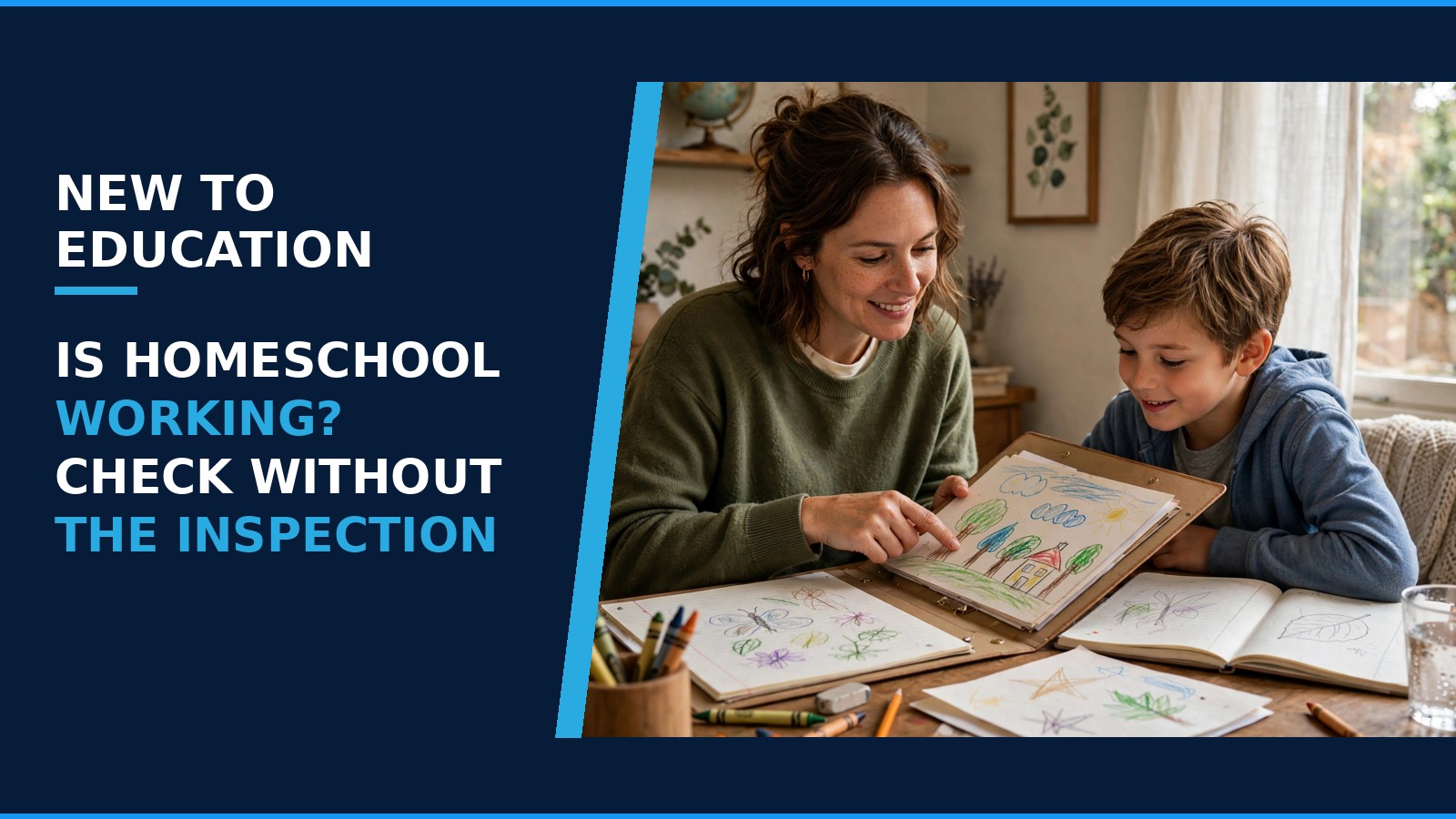
- Is Homeschool Working? How to Check Without Turning Home Into an Inspection — the dated-portfolio habit from Episode 5, which bilingual families can keep per language to see each language's progress against the child's own starting point.
Sources
- Byers-Heinlein, K., & Lew-Williams, C. (2013). "Bilingualism in the Early Years: What the Science Says." LEARNing Landscapes, 7(1), 95–112. A review separating myths from findings on six common parent questions, including confusion, mixing, one person–one language, and delay; bilingual children are not confused, mixing is normal, and bilingualism does not cause language difficulties. Open-access full text: https://pmc.ncbi.nlm.nih.gov/articles/PMC6168212/
- Byers-Heinlein, K., Morin-Lessard, E., & Lew-Williams, C. (2017). "Bilingual infants control their languages as they listen." Proceedings of the National Academy of Sciences, 114(34), 9032–9037. Bilingual infants preferentially activate the language they are hearing and monitor both languages during listening, as adults do. https://pubmed.ncbi.nlm.nih.gov/28784802/
- American Speech-Language-Hearing Association (ASHA), Practice Portal guidance on bilingual/multilingual service delivery: being multilingual is not a communication disorder, and a disorder presents across all of a person's languages — the basis for this article's guidance on when to seek assessment in both languages.
- The New To Education Podcast, Episode 7: "Two Languages, One Home: Supporting Your Bilingual Child Without a Second School" (November 27, 2026) — the episode this article accompanies.
Transcript
Danielle: Welcome to The New To Education Podcast, where education has no borders. I am Danielle, one of your hosts. New To Education offers personalized one to one online tutoring in more than twenty-eight subjects, and this is the show where we help parents make the most of it.
Alex: And I am Alex, your other host. Last time we talked about what to say when your child says, I am just not good at this. Today we are talking about life in two languages. Many families listening live this every day. One language at home, another at school. Or two languages at home, and a third in the playground. Parents in Japan raising children in English and Japanese ask this a lot, and so do bilingual families everywhere. How do we support both languages without turning home into a second school?
Danielle: Start with the worry almost every bilingual parent carries, and set it down. Mixing languages is normal. When your child starts a sentence in one language and finishes it in the other, or drops in a word from school because it comes faster, that is not confusion. Researchers call it code switching, and bilingual children and adults do it because both languages are active and available. It is usually a sign the child is using everything they have to say what they mean. It is not, by itself, a sign that either language is failing.
Alex: But parents also hear the opposite worry. Will two languages slow my child down?
Danielle: The honest, modest answer from the research is that learning two languages does not cause language delay. Bilingual children build vocabulary in each language over time, and their total vocabulary across both languages is often comparable to that of children learning one language. What matters most is not a perfect method. It is regular, real exposure and real conversation in each language, over years. That is good news, because real conversation is something a home is already built for. A classroom is not required.
Alex: So if home does not need to become a school, what does it need to become?
Danielle: It needs to protect the language that the outside world does not protect. In most bilingual families, one language gets hours of free support every day, from school, friends, signs, and screens. The other language, often the home or heritage language, gets only what the family gives it. That is the language that quietly fades if nobody tends it. So put your energy there. Not in worksheets at the kitchen table, but in everyday life carried in that language. Cooking together and naming what you are doing. Stories at bedtime. Video calls with grandparents. Songs in the car. Jokes. The ordinary talk of a home is powerful language teaching, because it is language used for real reasons.
Alex: What about the famous rule, one parent, one language? Should families follow it strictly?
Danielle: It is one workable pattern, and some families love its clarity. But it is not the only way, and it is not a rule that breaks a child if it bends. What helps more than strict separation is predictability a child can relax into. Some families tie a language to a person. Some tie it to a place or a time, like the home language at home and the school language for homework. Some simply follow the language the child chooses in the moment and answer in the language they want to nourish. Pick a pattern your family can keep kindly and consistently. A warm pattern you actually keep will do more than a strict pattern that turns every conversation into a correction.
Alex: Correction is a big one. If my child answers me in the school language when I spoke the home language, what should I do?
Danielle: Usually, keep the conversation alive first. If you stop every exchange to demand the other language, the child learns that talking to you is a test, and children avoid tests. Instead, model and recast. Answer naturally in the home language, and include the word or sentence they needed, inside your reply. They hear the language, they get what they were missing, and the talk continues. Save direct practice for moments built for it, like reading together, where working on words feels like part of the game rather than a penalty for speaking.
Alex: Reading came up. Does reading in one language help the other at all, or do families need double of everything?
Danielle: Families do not need double of everything, and that may be the most relieving sentence in this episode. Reading aloud in either language builds things that travel. A sense of how stories work. Vocabulary for ideas, not just objects. The habit of sitting with a book and enjoying it. Children carry much of that understanding across languages, even though the specific words and writing systems still need their own practice. So read in the language you read best and enjoy most, and add books in the other language where you can, through the library, school, or family abroad. Fifteen relaxed minutes of a story your child loves will do more than an hour of flashcards nobody enjoys.
Alex: What about Japan specifically, since many of our listeners are there? English at home, Japanese at school, or the reverse.
Danielle: The same principles hold, with one local wrinkle. The school language in Japan will usually grow strong on its own, because the whole day runs in it. The home language is the one to tend. Families often find that weekends, calls with family overseas, books sent from home, and friendships in the home language keep it alive without lessons feeling like extra school. And if a child is also learning to read and write in two different writing systems, expect the pace to look different in each one. Different is not behind. Compare your child with their own progress over months, not with a monolingual classmate in just one language.
Alex: When should a parent actually be concerned, rather than reassured?
Danielle: Be concerned about the child, not about the bilingualism. If your child seems to struggle in both languages compared with children of a similar age, finds it hard to follow everyday conversation in the language they hear most, or a teacher raises the same concern you have been carrying quietly, that is worth following up with the teacher and, if needed, a professional who understands bilingual development. Bilingualism does not cause those difficulties, and it does not hide them either. Trust the pattern across both languages, not a hard week in one.
Alex: And where does a tutor fit in a bilingual home, without adding a second school feeling?
Danielle: A tutor fits best as targeted support for one clear job. Help with school homework in the school language, so evenings at home stay relaxed. Or reading and writing practice in the home language, with someone outside the family, so it does not feel like a parent test. One to one sessions work well here because the tutor can follow the child's actual level in that language, which is almost always uneven across listening, speaking, reading, and writing, and completely normal.
Alex: Let us land it for a bilingual parent listening tonight.
Danielle: Remember five things. Mixing languages is normal, and two languages do not cause delay. Protect the language the outside world does not protect, and tend it through everyday life, not worksheets. Choose a pattern your family can keep kindly, whether that is by person, place, or moment. Keep conversations alive and recast instead of correcting every reply. And read for pleasure in either language, because much of what reading builds travels across both. Home does not need to be a second school. It needs to be the place where both languages are used for love, food, stories, and laughter. That is what children keep.
Alex: Thanks for listening to The New To Education Podcast, where education has no borders.
Danielle: Find New To Education online at new to education dot com, and remember, your first class is ninety percent off with the code N, two, E, D. Next time, we will talk about how to get the most from a tutor, before, during, and after each session, so every lesson builds on the last. Until then, keep asking good questions. Your child's learning is worth it.





Comments (0)
No comments yet. Be the first to share a thought.