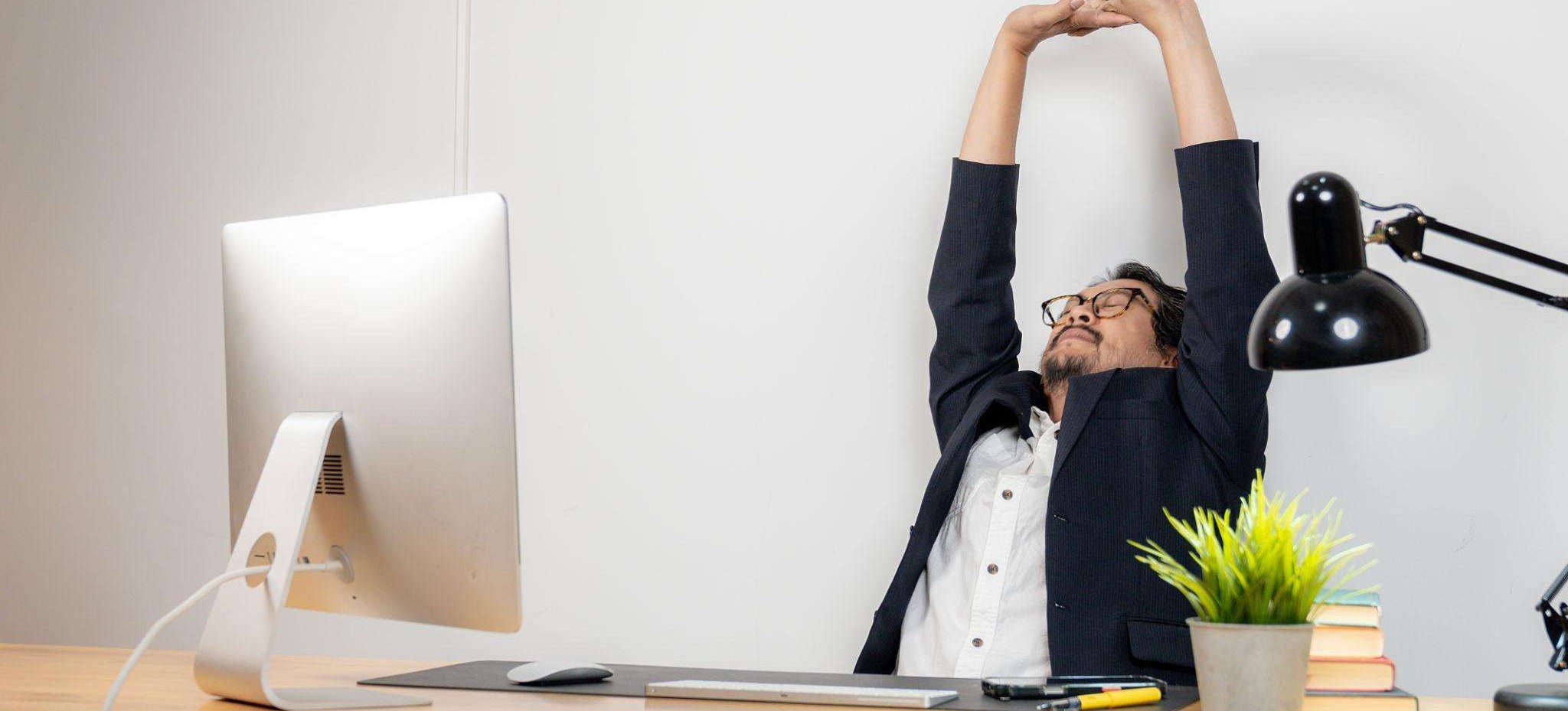
Most of us know that exercise is important, but many people underestimate the impact of what happens during the other 23 hours of the day.
As a teacher, I have experienced days where I spent hours sitting while grading assignments, answering emails, planning lessons, or working on projects. Even on days when I exercised, I sometimes found myself feeling stiff, tired, and less energetic than expected. It made me realize that what happens between workouts can be just as important as the workouts themselves.
Whether you're a teacher grading papers, a student preparing for exams, or a professional working at a desk, prolonged sitting has become one of the most common habits of modern life. While sitting itself is not inherently harmful, spending too much time seated without movement can affect nearly every system in the body.
Studies have found that many adults spend between six and ten hours sitting each day, with some office workers exceeding that amount. When you consider commuting, working, eating meals, and relaxing in front of a television or computer, it's easy to see how quickly those hours can add up.
The Modern Sitting Problem
Think about a typical day. You may sit while driving to work, sit during meetings, sit while working on a computer, sit during lunch, and then sit on the couch in the evening. Before you know it, a significant portion of your day has been spent in a chair.
The human body was designed for movement. For thousands of years, people spent much of their day walking, carrying objects, working outdoors, and engaging in physical activity. Modern conveniences have brought many benefits, but they have also dramatically reduced the amount of movement built into our daily lives.

Your Muscles Begin to Tighten
One of the first effects of prolonged sitting is muscle tightness. The hip flexors at the front of the hips often become shortened, while the glutes the muscles responsible for stability and power can become less active. This combination may contribute to poor posture, discomfort, and reduced mobility.
Many people who spend long hours sitting also experience tight hamstrings, stiff lower backs, and tension in the neck and shoulders. Over time, these issues can make everyday movements feel more difficult and uncomfortable.

Your Posture Can Suffer
Hours spent looking at a screen can encourage what many people call "tech neck." The head gradually moves forward, the shoulders round inward, and the upper back begins to hunch.
While this posture may not seem significant at first, it places additional stress on muscles and joints that were not designed to support the body in that position for extended periods. Over time, poor posture can contribute to chronic discomfort and reduced flexibility.
Exercise Isn't the Same as Movement
One of the biggest misconceptions about health is the belief that a workout completely offsets a sedentary lifestyle.
Imagine someone who goes to the gym for 45 minutes in the morning but then spends the next 10 hours sitting at a desk. While that workout is certainly beneficial, researchers increasingly emphasize that regular movement throughout the day matters as well.
Exercise is important, but so is movement. Standing, walking, stretching, and changing positions throughout the day help keep the body active in ways that a single workout session cannot fully replace.

Energy Levels May Decline
Many people assume sitting conserves energy, but extended periods of inactivity can actually leave people feeling sluggish. Movement helps stimulate circulation and increase alertness. When activity levels decrease, some individuals report feeling more tired, less focused, and less productive throughout the day.
This is one reason why a short walk can often provide a mental boost and improve concentration more effectively than reaching for another cup of coffee.
Your Cardiovascular Health Can Be Affected
Research has consistently linked sedentary lifestyles with increased risks for cardiovascular disease and other health concerns. When we sit for extended periods, circulation slows and calorie expenditure decreases.
This does not mean sitting is dangerous on its own, but it does highlight the importance of balancing periods of sitting with regular movement throughout the day. Health experts increasingly recommend reducing prolonged sitting in addition to maintaining a regular exercise routine.
The Impact on Mental Health
Movement benefits more than just the body. Physical activity has been associated with improved mood, reduced stress, and greater overall well-being.
Many people find that even a brief walk, stretch break, or change of environment helps them reset mentally during a busy day. In contrast, spending long periods sitting without movement can sometimes contribute to feelings of fatigue, stress, or reduced motivation.

Simple Ways to Move More Every Day
The good news is that you don't need to become a marathon runner or spend hours in the gym to reduce the effects of sitting.
Small changes can make a meaningful difference. Walking while taking phone calls, choosing the stairs instead of the elevator, stretching every hour, parking farther away from destinations, or taking a short walk after meals can all increase daily movement.
Personally, one habit I have found helpful is simply getting up and moving every hour, even if it's only for a few minutes. Those small breaks add up over the course of a day and help prevent the stiffness that often comes from sitting too long.
Final Thoughts
Sitting is a normal part of modern life, and most of us cannot avoid it entirely. However, understanding how prolonged sitting affects the body can help us make small adjustments that support long-term health and well-being.
The human body was built to move. While modern life often keeps us seated for hours at a time, even small moments of movement can have a lasting impact on our physical and mental health. You do not need to completely change your lifestyle overnight. Sometimes standing up, stretching, and taking a short walk is enough to start moving in the right direction.
If you're reading this while sitting, consider this your friendly reminder to stand up, stretch, and take a few steps. Your future self may thank you for it.
Join the Conversation
How many hours do you think you spend sitting each day? Have you found any strategies that help you stay active during work, study, or busy schedules? We'd love to hear your thoughts.