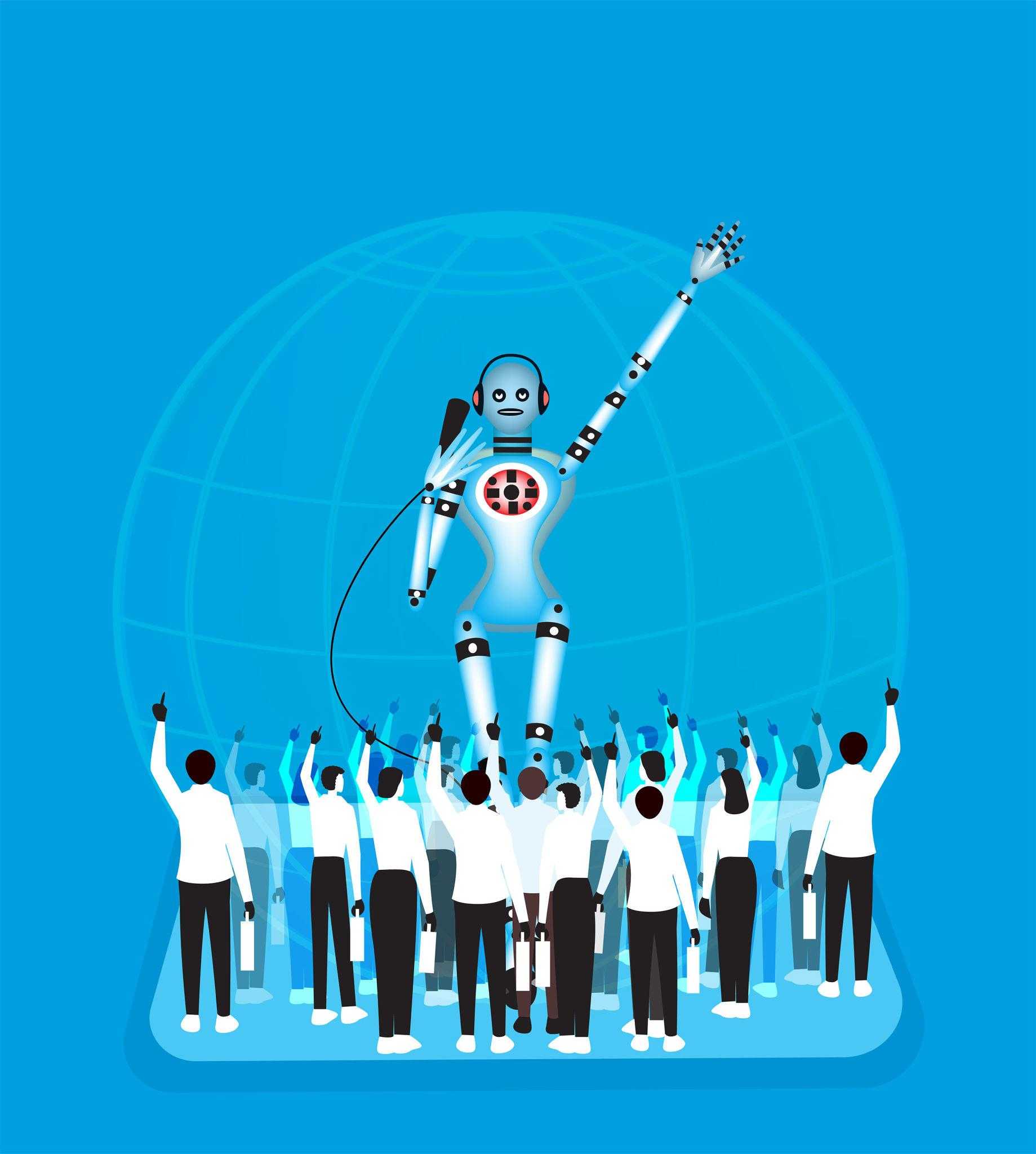
What's Happening Right Now
Artificial intelligence isn't coming for jobs it's already here. From customer service reps to financial analysts, radiologists to software developers, AI tools are quietly reshaping what it means to "go to work." The World Economic Forum estimates that by 2027, 85 million jobs could be displaced by machines and algorithms worldwide.
But here's the nuance most headlines miss: it's not a simple story of replacement.
The Jobs Already Feeling the Pressure

Some roles are more exposed than others. Here's where the disruption is hitting hardest:
- Data entry & administrative work Tools like Microsoft Copilot and ChatGPT now handle drafting, summarizing, and organizing at speeds no human can match.
- Customer support AI chatbots resolve 70%+ of routine inquiries without human involvement, according to Salesforce's 2025 State of Service report.
- Content writing & copywriting Brands are using AI to generate first drafts, product descriptions, and social media posts at scale.
- Accounting & bookkeeping Platforms like Intuit are embedding AI that auto-categorizes, reconciles, and flags anomalies in real time.
- Junior-level coding GitHub Copilot and similar tools now write, test, and debug code — compressing what used to take days into hours.
But Wait New Jobs Are Emerging
Every industrial revolution destroys some work and creates new kinds. AI is no different. Roles that didn't exist five years ago are now in high demand:
✦ AI Prompt Engineers ✦ Machine Learning Operations (MLOps) Specialists ✦ AI Ethics & Compliance Officers ✦ Human-AI Collaboration Designers ✦ Automation Workflow Consultants
The pattern is consistent with history: technology removes the task, not always the person — if that person adapts.
What Workers and Leaders Should Do Now
The question isn't whether AI will affect your industry. It will. The question is whether you'll be ahead of the curve or behind it.
For workers: Learn to work with AI tools, not around them. Treat AI fluency the way people treated Excel proficiency in the 1990s — a baseline skill, not a niche one. Upskill in areas that are harder to automate: critical thinking, emotional intelligence, creative judgment, and complex problem-solving.
For business leaders: Resist the urge to simply cut headcount where AI can fill gaps. The organizations winning right now are those using AI to augment their teams — freeing people from repetitive work so they can focus on higher-value decisions and relationships.
A Stat Worth Sitting With
"65% of children entering primary school today will work in jobs that don't yet exist." — World Economic Forum
The Bottom Line
AI replacing jobs is real. But so is AI creating opportunity for those willing to evolve. The workers and organizations that treat this moment as a threat will be left behind. Those who treat it as a redesign opportunity will lead the next decade.
The automation wave is here. The only question is whether you're swimming with it or against it.